Introduction
Every year two tributes are selected to represent their district in the annual Hungry Games where they must compete against each other in a battle royale until one person is left and is crowned the "Victor"
It is that time of the year again and you have been selected to represent your district. Before commencing the game your mentor, Saymitch, gives you a sheet of paper which contains alot of useful information including descriptions of the wild berries you might encounter during the game which are classified into 2 categories, safe to eat and poisonous.
Classifying things into categories is important as it allows us to easily locate and identify them. A dichotomous key is a reference tool that can be used to identify an unknown animal or plant. It describes a specific characteristic and provides two possible options for the user to choose. This leads them to the next section and eventually to the identification of the unknown animal or plant.
After many long days you and your district partner, who is also your childhood friend, are now the final two tributes left. The gamemakers will not let the game end until there is only one person left but you come up with a plan to trick the gamemakers so that both of you can win.
[video:http://youtu.be/Ce6nf-xoS5M]
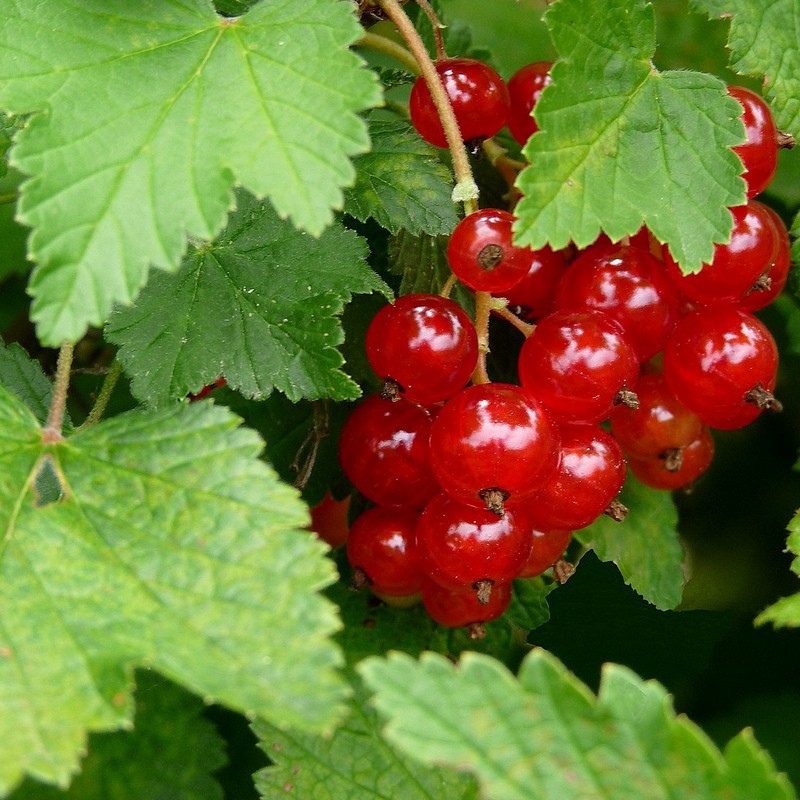
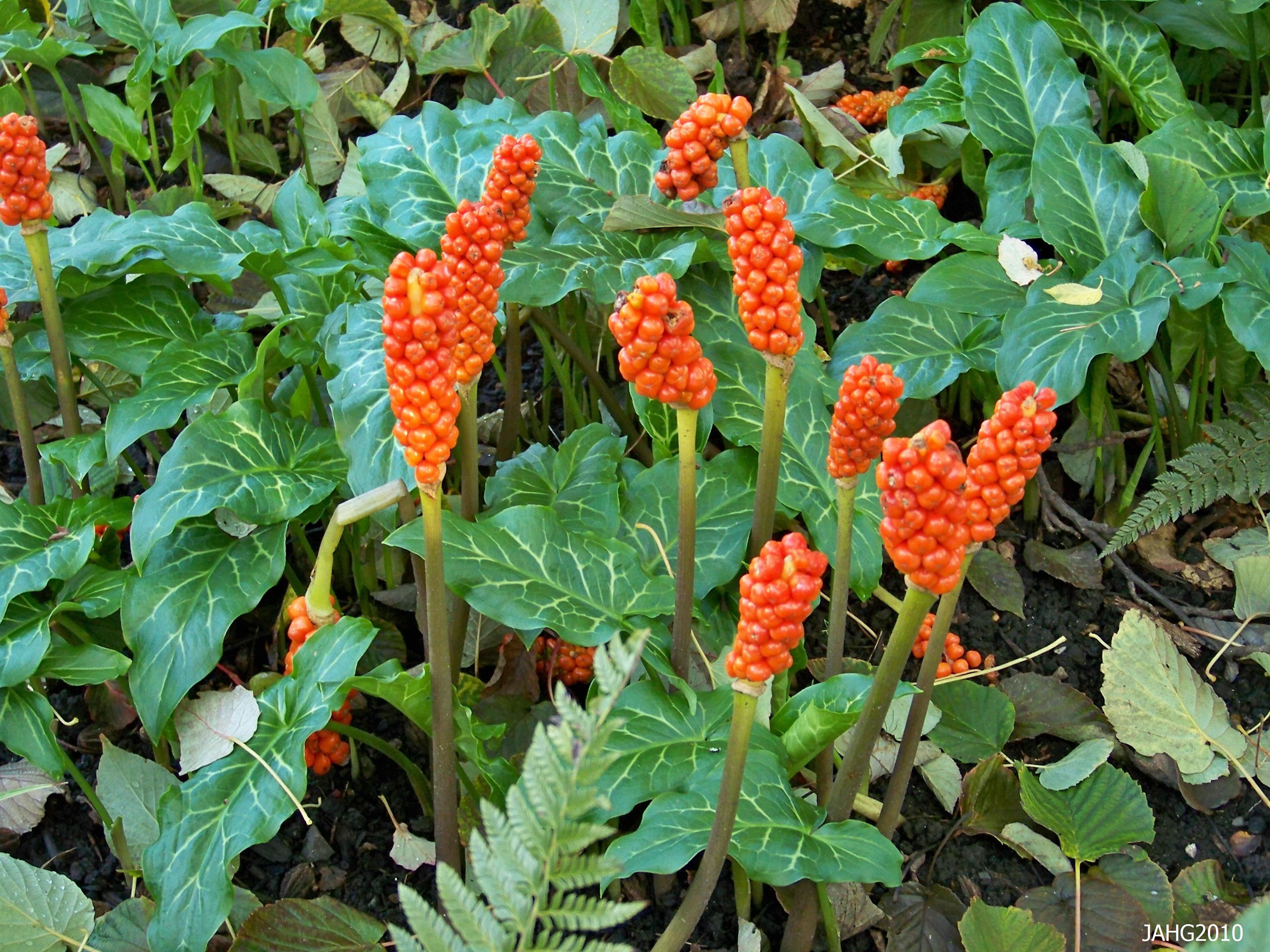
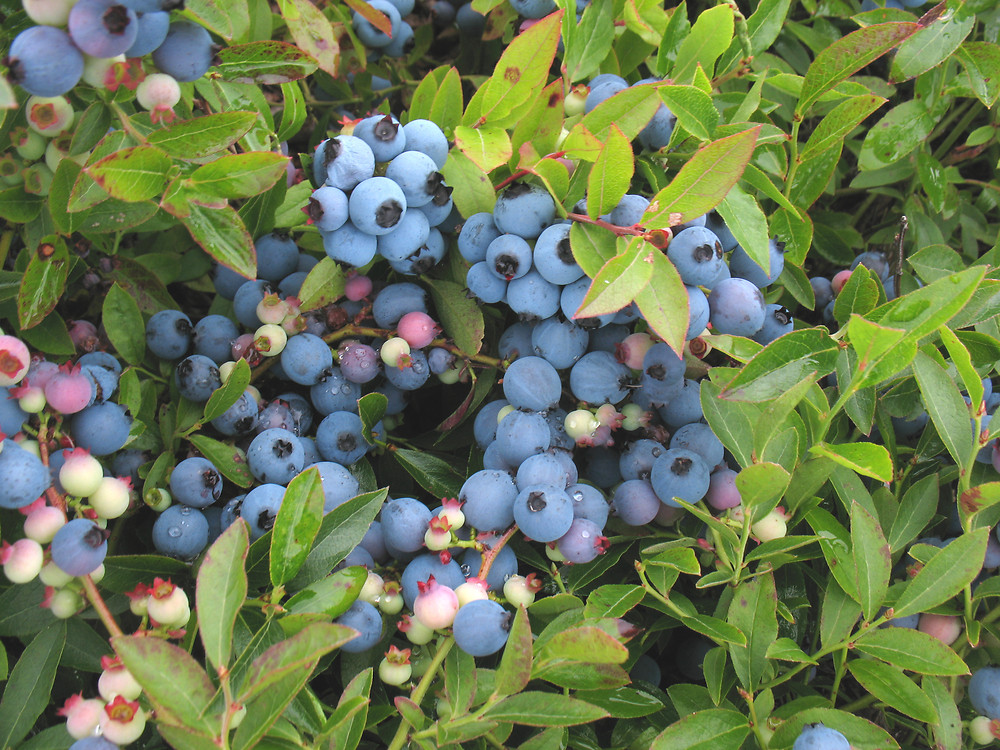
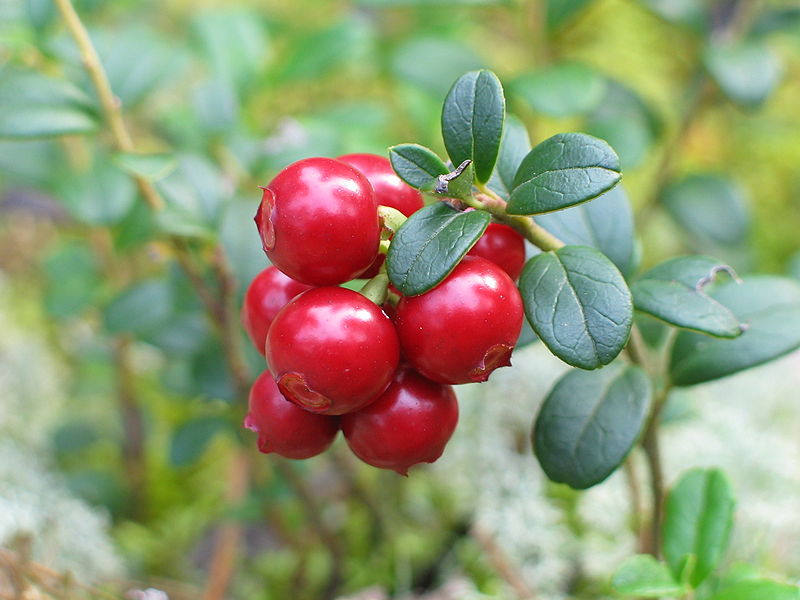
These are the berries you encounter while travelling through the game environment.
Berry 1
Berry 2
Berry 3
Berry 4
Task
In order to trick the gamemakers into believing that you are both about to eat poisonous berries you must:
- Use the dichotomous key to identify the names of the four berries and which one is poisonous
- Use the plant's common name to determine it's scientific name
- Explain why the use of scientific names is important when classifying things
Once you have tricked the gamemakers and become the "Victor" you must:
- Develop a dichotomous key for next year's tribute
Process
Identify those berries!
- Using the worksheet identify some of the key characteristics of the berries which will make them easier to identify using the dichotomous key.
- Now that you have identified some characteristics use the dichotomous key to find out the name of each berry.
- On your worksheet write down which berry is poisonous and can be used to trick the gamemakers.
- You now know the common names for each berry but what are the scientific names for each one? Conduct an internet search to find out the scientific names for each berry and write them on your worksheet.
- Explain why it is important to classify things using their scientific names and not just their common names. (HINT: consider the foxberry)
Now that you are the "Victor" you must mentor next year's tributes by providing them with useful information which will aid them during the game.
- Develop a dichotomous key for the plants on your worksheet which will allow your tributes to identify the name of each berry and whether they are safe to eat or not.
Evaluation
At the end of lesson upload your completed worksheet to our google classroom page.
Ensure that you upload the worksheet into the correct assignment box and click submit. This will show that you have successfully attempted the assigned work.
Conclusion
Congratulations! You are the "Victor"
With the help of the dichotomous key you have successfully tricked the gamemakers and won the Hungry Games. You now understand how to create a dichotomous key using key characteristics of different things as well as the importance of scientific names and classifying things.
(Optional) For more practice try and create a dichomotous key for the items in your pencil case and remember:
"May The Odds Be Ever In Your Favour"
Credits
Image credits:
http://namethatplant.wordpress.com/2010/11/15/lords-and-ladies-may-i-pr…
http://commons.wikimedia.org/wiki/File:Vaccinium_vitis-idaea_20060824_0…

http://www.mesarbustes.fr/ribes-rubrum-london-market-groseillier-a-grap…
https://gobotany.newenglandwild.org/species/vaccinium/angustifolium/
Video credit:
Teacher Page
Students are required to download a copy of the worksheet and dichotomous keys that are provided in the links. The web quest was designed to be completed in one lesson therefore students should complete the worksheet and submit their work at the end of the lesson. The students should be encouraged to view their peers results to provide feedback and reflect on their own work. There is no marking rubric for this task but a satisfactory/unstisfactory grade should be awarded based on the completion of the worksheet.
The web quest addresses several of the NSW stage 4 Science syallabus outcomes including:
SC4-LW1. There are differences within and between groups of organisms; classification helps organise this diversity
a. identify reasons for classifying living things
b. classify a variety of living things based on similarities and differences in structural features
c. use simple keys to identify a range of plants and animals
e. outline the structural features used to group living things, including plants, animals, fungi and bacteria
SC4-6WS. A student participates in an investigation by following a sequence.
Students conduct investigations by:
- Using a range of techniques including practical experiences, surveys, fieldwork and research to gather data and information, using digital technologies as appropriate