Introduction
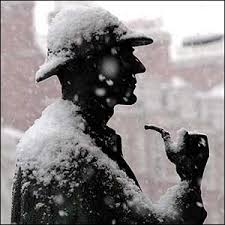
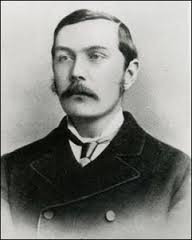
An introduction of classic British Mystery writing starting with the most well-known, Sir Arthur Conan Doyle. The emphasis of the quest should be the development of suspense, intrigue, and logical argument.
Task
First establish the bounds of classical British Mystery writing by looking for articles to develop a working list of what elements are used in the majority of mystery novels and short stories. You should use resources like Wikipedia to compile a list of stories to look over, not a means to complete the assignment in its entirety. Second apply these techniques and look for the elements being used in one of Doyle's novels or short stories and track how successful the story was in using those elements and if any alternative uses of elements are present.
Process
To begin your journey, you must first do research and create a functional list of what is used in the story telling process of a classic British Mystery novel. Find out what is absolutely necessary to create a classic mystery and discern what is used to enhance the story overall. Create a chart to identify the necessary and work through what is being used to enhance the story. Then write a 2-3 page paper using the elements of the chart to decide of a story is a mystery or not and what other elements are being used to enhance the story.
| Nessesary elements | Enhancement Elements |
Evaluation
|
Rubric for Whole Project |
||||
|
Analysis |
1. Little or no use of Concept Chart. Uses little of the chart to prove the criteria set forth by the classical literary forms |
2. Minimal use of Concept Chart. Uses the chart to express a single idea according to the literary forms. |
3. Adequate use of Concept Chart. Creates a cohesive thought of that is a classical literary form and follows the criteria of the lesson. |
4. Inspired use of Concept chart. Uses the chart the fullest by discovering and developing new ideas according to the literary form and identifying the forms that are not present on the literacy form and how they are used to express the story. |
|
Creativity |
1. Little to no creative voice. Shows little initiative to create new ideas or sentence choice |
2. Minimal use of creativity. Uses alternative sentence forms and construction of the paragraph. |
3. Adequate creativity by use of various sentence and paragraph structure. Proficient use of sentence and paragraph structure. |
4. Inspired use of creativity. Creates an impassioned sentence and paragraph structure. Uses various sentence and paragraph structure to create an enjoyable read for audience. |
|
Mechanics |
1. Many spelling and grammar errors. |
2. Minor spelling and grammar errors. |
3. Few spelling and grammar errors. |
4. No spelling or grammar errors. |
|
Concept Chart |
1. Identification of two major plot devices. |
2. Identification of all three major plot devices and at least one alternate plot devices. |
3. Identification of all major plot devices and three alternate devices. |
4. Identification of all major plot devices and five alternate plot devices. |
Conclusion
The main point of this webquest is to create a working knowledge of the successful genera of Mystery and how the British writers who are the most famous for that success came to make their successes.
It is important to note that no story will contain all the same elements but must have a fundamental structure to make the story worth reading.
Teacher Page
This Quest was created with a 11th or 12th grade English class in mind.
Standards:
CA- California Common Core State Standards (2012)
By the end of grade 12, read and comprehend literature, including stories, dramas, and poems, at the high end of the grades 11–CCR text complexity band independently and proficiently.