
Introduction
Hello students,
This will be your guide to everything you will need to fill out your calendars this year. Don't forget to ask your parent when everyones birthday is first. Remember that every week on Friday I will be collecting them to make sure you didn't miss anything. Everyday is an important day, lets find out why. I hope you have fun!
Your teacher,
Ms. Wilkinson
Task
A note to parents:
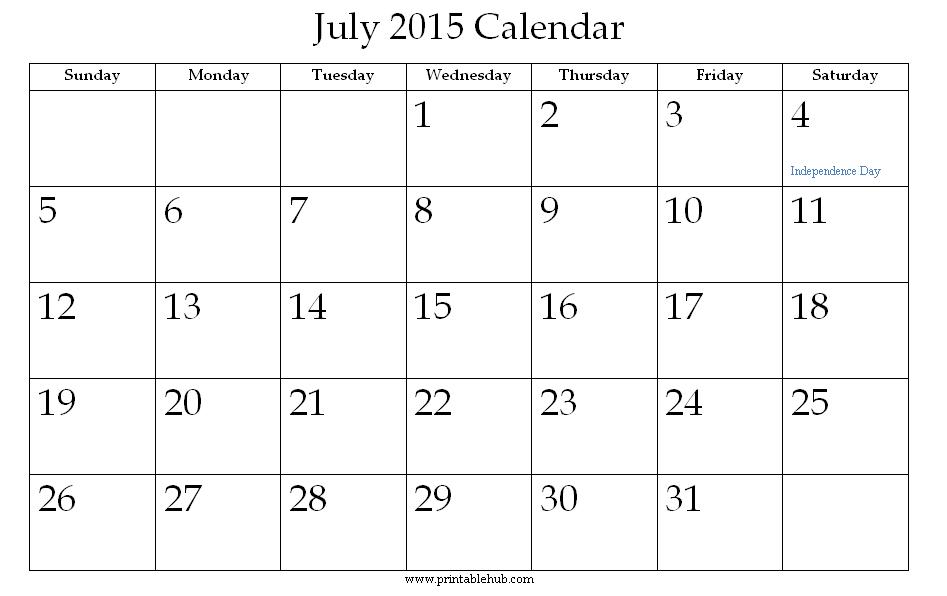
The task is to fill out the calendar for everyday. The project will be process of all year. I am asking for your help with this. The project will teach your children about history, geography, economics, and civics. Each of these you can also find with the standard that will go with it on the teacher's page. I
am hoping this task will be great to be involved in at school and also at home. If you have any questions feel free to contact me.
Thank you,
Ms. Wilkinson
Process
The process below will be a weekly schedule for the school year.
Monday: We will go over important holidays to put on calenders. As a class we will write them down.
Tuesday: The class will look at different countries calendars, money, and how they say certain days.
Wednesdays: This will be craft day from other from other countries.
Thursdays: For homework on Thursdays the students will use websites given to fill out rest of calendar for the week. Websites needed:
http://www.factmonster.com/dayinhistory
http://www.ducksters.com/todayinhistory.php
http://www.historynet.com/today-in-history
Friday: The calendars will be collected and graded.
Websites used this week:
http://www.liguriaguide.com/italy-money.html
https://www.youtube.com/watch?v=f5aY11MpvsI
Evaluation
|
| CATEGORY | Great | Good | Needs work |
| 7 points | 7 points for all days of week filled in | 5 for most of the information filled in | 3 for little to no information filled in |
| 3 points | 3 good participation | 2 some participation | 1 no participation |
| 10 points | 10 for good participation and filled in | 7 for some participation and some filled in | 4 no participation and little filled in |
Conclusion
Please do not fall behind on filling out your calendar. I am excited to learn about all these different countries along with you. Don't forget every day is an important day, lets find out why.
Credits
Websites used for teacher and students:
http://www.factmonster.com/dayinhistory
http://www.ducksters.com/todayinhistory.php
http://www.historynet.com/today-in-history
http://kidworldcitizen.org/diversity-calendar/
Other websites that will be used in classroom will also be google, youtube, and pintrest for information about calendars, money, crafts, and days of the week from different countries.
Teacher Page
History:
Standard
Prepared Graduates: Develop an understanding of how people view, construct, and interpret history
Concepts and skills students master:
- Describe patterns and chronological order of events of the recent past
Evidence Outcomes/ Students can:
b. Identify the components of a calendar. Topics to include but not limited to days of the week, months, and notable events (DOK 1)
c. Identify past events using a calendar (DOK 1)
21st Century Skill and Readiness Competencies:
- Why is it important to know the order of events?
Relevance & Application:
- Events are recorded in sequential order to increase understanding, see relationships, understand cause and effect, and organize information. For example, scientists record information about experiments in sequential order so they can replicate them, and law enforcement re-creates timelines to find missing people or solve crimes.
Nature Of:
- Historical thinkers understand the importance of comparing and contrasting in identifying patterns and trends.
Geography:
Standard
Prepares Graduates:
Examine places and regions and the connections among them
Concepts and skills Students Master:
2. People in different groups and communities interact with each other and with the environment
Evidence Outcomes/ Students can:
d. Give examples of how schools and neighborhoods in different places are alike and different (DOK 1-2)
e. Identify cultural and family traditions and their connections to other groups and the environment (DOK 1-2)
21st Century Skill and Readiness Competencies
Inquiry Questions:
- How are places like communities similar to and different from where you live?
- How do people celebrate traditions?
Relevance & Application:
2.People from various cultures are both similar and different and these differences are reflected in clothing, language, culture influencing social interactions.
Nature Of:
- Spatial thinkers study resources, their availability, and use as a key to understanding human interactions with their environment and each other.
Economics:
Standard:
Prepares Graduates:
Understand the allocation of scarce resources in societies through analysis of individual choice, market interaction, and public policy
Concepts and skills students master:
- People work at different types of jobs and in different types of organizations to produce goods and services and receive an income
Evidence Outcomes/ Students Can:
- Give examples of different types of business and the goods and services they produce for the community (DOK 1)
21st Century Skill and Readiness Competencies
Inquiry Questions:
4.What do workers receive for their work?
6. What is the difference between income and money?
Relevance & Application:
2.Individuals make decisions about careers or jobs based on factors such as education, skills, and interests.
Nature Of:
- Economic thinkers study the choices about what kinds of jobs people perform.
Civics:
Standard:
Prepares Graduate:
Analyze origins, structure, and functions of governments and their impacts on societies and citizens
Concepts and skills students master:
2.Notable people, places, holidays and patriotic symbols
Evidence Outcomes/ Students Can:
d. Identify significant civic holidays (DOK 1)
21st Century Skill and Readiness Competencies
Inquiry Questions:
- Why do we have national, community, and local celebrations and holidays?
Relevance & Application:
- Symbols, songs, holidays, traditions, places, and people help to provide identity for the community and nation. For example, the Pledge of Allegiance is said on various occasions, individuals may salute the flag of their country, and patriotic songs are sung at sporting events and July 4th parades celebrate our nation's independence.
Nature Of:
- Responsible community members understand the responsibilities of being a member of a community.
World Languages:
Standard:
Prepared Graduates:
Engage in conversations, provide and obtain information, express feelings and emotions, and exchange opinions (interpersonal mode)
Concepts and skills students master:
- Communicate about very familiar topics (written or oral) using isolated words and high-frequency phrases (interpersonal mode)
Evidence Outcomes/ Students Can:
- Copy and exchange simple messages (DOK 1)
- Imitate modeled words and phrases using intonation and pronunciation (DOK 1)
21st Century Skill and Readiness Competencies