Introduction
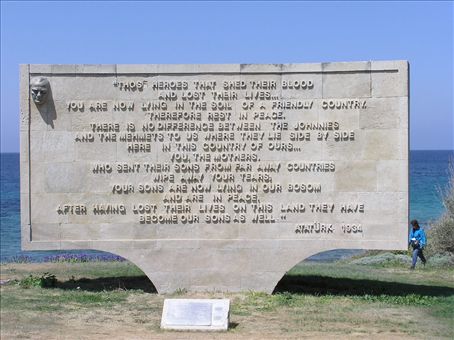
You and your group are a council of advisors working with one of the significant world leaders in 1917 during WW1 to promote the war effort. This leader has come to you for help, the war is dragging on longer than expected and they desperately need more volunteers to either join the armed forces as either soldiers or as support/medical staff. It is up to your council to aid this leader to convice thier populace to enlist.
Task
As your council works to aid your countrey's leader, consider the following questions
- Where are troops from our country fighting at this time in 1917?
- Why did your country enter the war?
- How is it going for your country so far? Do you have any large victories or defeats you can draw on to stir the emotions of your countries population?
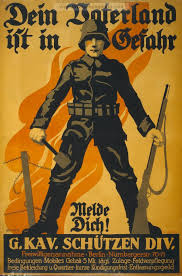
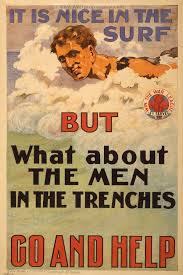
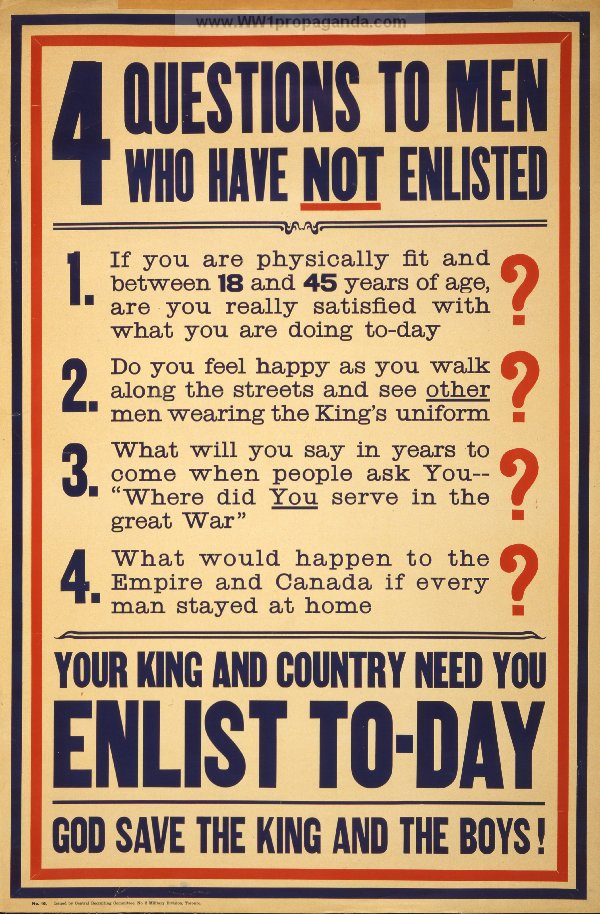
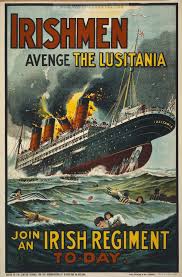
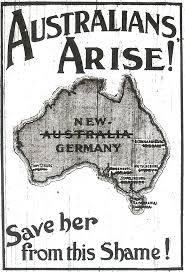
- How do propoganda posters and speeches draw an emotional response from their viewers? What persuasive devices are used?
Based on your research you and your group must write a speech for this leader to give to encourage enlistment and create a propoganda poster for distribution around the cities and towns of your country. Your speech must be recorded on VoiceThread with a typed copy of the speech inserted as a PDF. You may construct your poster physically out of classroom supplies, or digitally using the platform of your choice.
Process
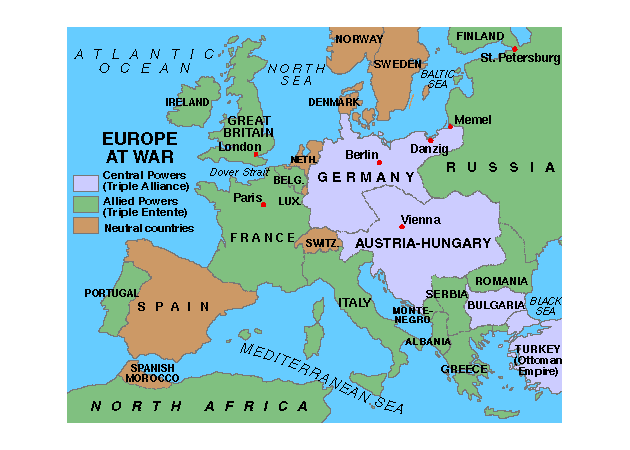
You will be seperated into 5 groups/nations
- Germany
- Austria-Hungary
- France
- Turkey
- Britain
In your group you will create a VoiceThread recording of your speech and a Propoganda Poster encouraging enlistment in your countries armed forces.
Each group will research and record answers these questions using the laptops and iPads in the classroom using the links below.
- Where are troops from your country fighting at this time in 1917?
- Why did your country enter the war?
- How is it going for your country so far? Do you have any large victories or defeats you can draw on to stir the emotions of your country's population?
- How do propoganda posters and speeches draw an emotional response from thier viewers? What persuasive devices are used?
Once you have detailed responses to each of these questions (these can be written as informal notes, dot points and key words are fine!) write your speech as a word document, then save it as a PDF. Insert that PDF into a new VoiceThread and record one member of your group reading the speech over the top. Member from other groups will listen to this and might leave you some feedback!
Your Propoganda Poster can be created using classroom materials, or digitially - your choice! You and your group will present this poster as well as your speech to the class and you must be able to point out
- At least 3 persuasive devices (in both your speech AND your poster)
- How your poster and speech appeal to the citizens of your nation specifically
- How you have used the information from the questions above to design this poster/write this speech.
Resources
General Resources
Germany
Britain
Turkey
Austria-Hungary
France
Evaluation
|
Poster |
One Star |
Two Star |
Three Star |
|
Persuasive Devices |
No persuasive devices are used. |
One or Two persuasive devices such as colour, bolded text, catch phrases, rhetorical questions, statistics, emotive language, modal language, emotive pictures or emotive storytelling are used. |
Three or more persuasive devices such as colour, bolded text, catch phrases, rhetorical questions, statistics, emotive language, modal language, emotive pictures or emotive storytelling are used. |
|
Quality of Construction |
Poster is poorly constructed and messy. |
Poster is neat and tidy, however lacks creativity and visual impact. Poster one or two ways to entice the viewer (pictures, cartoons, text, quotes etc.) |
Poster is creative and visually appealing. Poster uses a variety of ways to entice the viewer (pictures, cartoons, text, quotes etc.) |
|
Poster appeals to countries citizens specifically |
The poster is vague and could apply to any country. |
The poster has some details which point to which nation it is aimed at, but it is not clearly evident. |
The audience for this poster is clearly evident. This poster contains multiple references/appeals to a specific nation in 1917. |
|
Details are included from relevant stimulus questions |
No details from the stimulus questions are included in the poster. |
Details from One or Two of the stimulus questions are included in the poster. |
Details from all 3 of the research stimulus questions are included in the poster. The group can articulate how they have included their research from the propaganda research question. |
|
Speech |
One Star |
Two Star |
Three Star |
|
Persuasive Devices |
No persuasive devices are used. |
One or Two persuasive devices such as colour, bolded text, catch phrases, rhetorical questions, statistics, emotive language, modal language, repetition, alliteration, or emotive storytelling are used. |
Three or more persuasive devices such as colour, bolded text, catch phrases, rhetorical questions, statistics, emotive language, modal language, repetition, alliteration, or emotive storytelling are used. |
|
Quality of Writing |
The writing is of poor quality. Only Simple sentences used. Poor or very simple language choices. No discernible introduction, body or conclusion. |
The writing is of sound quality. A mixture of simple, compound and complex sentence used. Some emotive and descriptive language choices. A clear introduction, body and conclusion. |
The writing is of high quality. A mixture of simple, compound and complex sentence used with sentences chosen for vocal effect (e.g. short sharp sentences to gain attention, long descriptions to engage the listener). Highly effective emotive and descriptive language choices. A clear introduction, body and conclusion with an appealing rhythm drawing to a climax. |
|
Speech appeals to countries citizens specifically |
The speech is vague and could apply to any country. |
The speech has some details which point to which nation it is aimed at, but it is not clearly evident. |
The audience for this speech is clearly evident. This speech contains multiple references/appeals to a specific nation in 1917. |
|
Details are included from all stimulus questions |
No details from the stimulus questions are included in the speech. |
Details from One or Two of the stimulus questions are included in the speech. |
Significant details from all 3 of the research stimulus questions are included in the speech. |
Conclusion
As a member of this council I hope you have gained a deeper understanding of some of the other nations involved in WW1 and the reasons why people of the various nations would volunteer to be in their countries armed forces. Although there was some significant differences in cultures and societies amongst the warring nations of WW1, there were also many things that were the same for a soldier in the British, Turkish, German, Austrian-Hungarian or French armed forces as there were for the ANZACs. A sense of loyalty and a feeling of duty were common themes amongst the men and women of all countries that were a part of this terrible conflict.