
Introduction
Welcome: A Five Day Unit for Social Studies
Essential Question: Why was the Declaration of Independence so important?
Description: This is a 5 day webquest designed to enhance your learning in the events that lead up to the writing of the Declaration of Independence and why it is so important.
Grade Level:5
Keywords: American History, Civics/Government, Geography, World History, and Economics.
Author(s): Laura Burns
Task
Hello and welcome to your five day webquest in social studies!
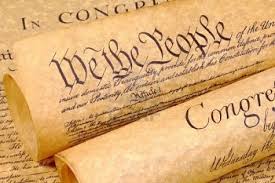
In the next five days, you will analyze the key ideals set forth in the Declaration of Independence, analyze a primary source document, explain the relevance of the Declaration of Independence for you today, understand the people associated with the drafting and signing of the Declaration of Independence, understand that there were many points of view in regards to independence, discuss the different perspective of the people during the time of 1776 and become more knowledgable of what the Declaration of Independence is all about; that all men are created equal, the rights to life, liberty and the pursuit of happiness.
Process
Day One: Fair or Unfair?
During this lesson we will be reviewing the following vocabulary. British, ideal, pursuit, equality, taxes, declaration, independence, freedom, requirements, petition, liberty.
Key lesson question: Is this situation fair or unfair?
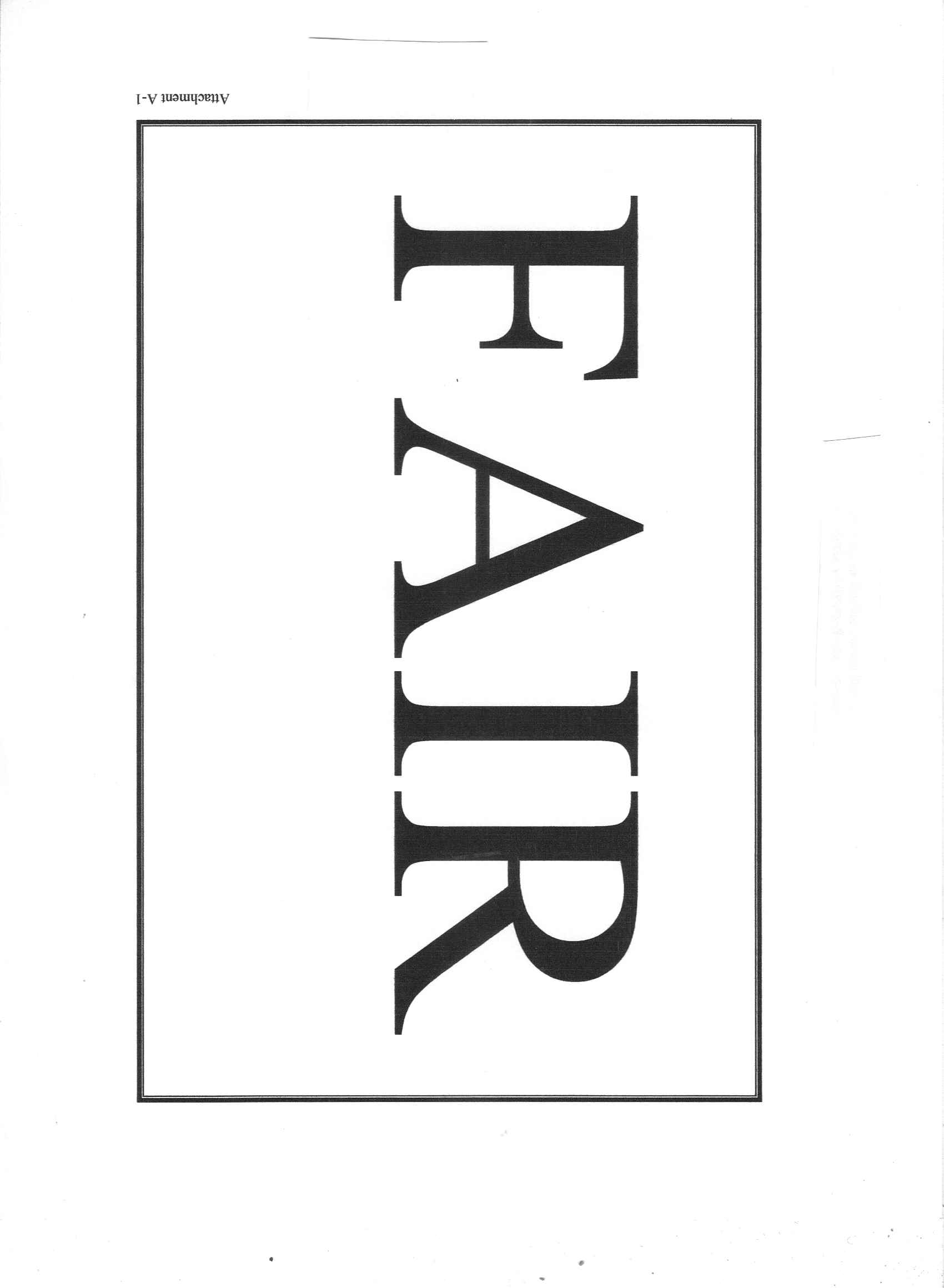
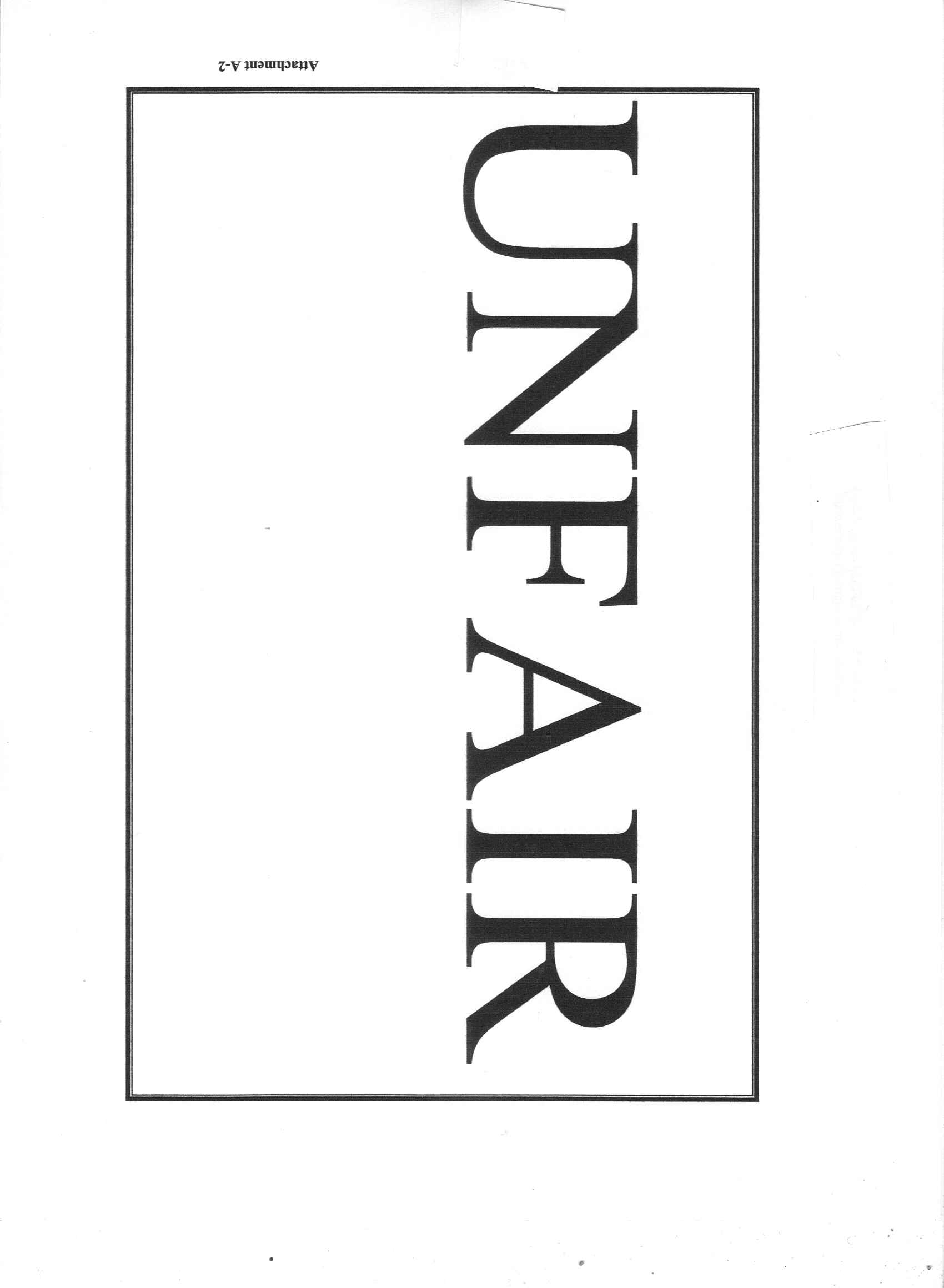
Today we will sit in pairs. Each pair will have the fair and unfair signs. I will state a situation. Partners will decide together whether the situation is unfair. Are the following scenarios fair or unfair?
Girls are always allowed to line up to go home first.
The star basketball player was kicked off the team for not attending practice regularly.
Some boys do not allow another boy in class to play basketball at lunch because they say he is too short.
Only students getting an A- in math on their report card may participate in chorus.
Only stydens who do their homework may have ice cream.
What does it mean to be fair? Fairness I sequal rights to an object or opportunity; or being treated equally in a situation.
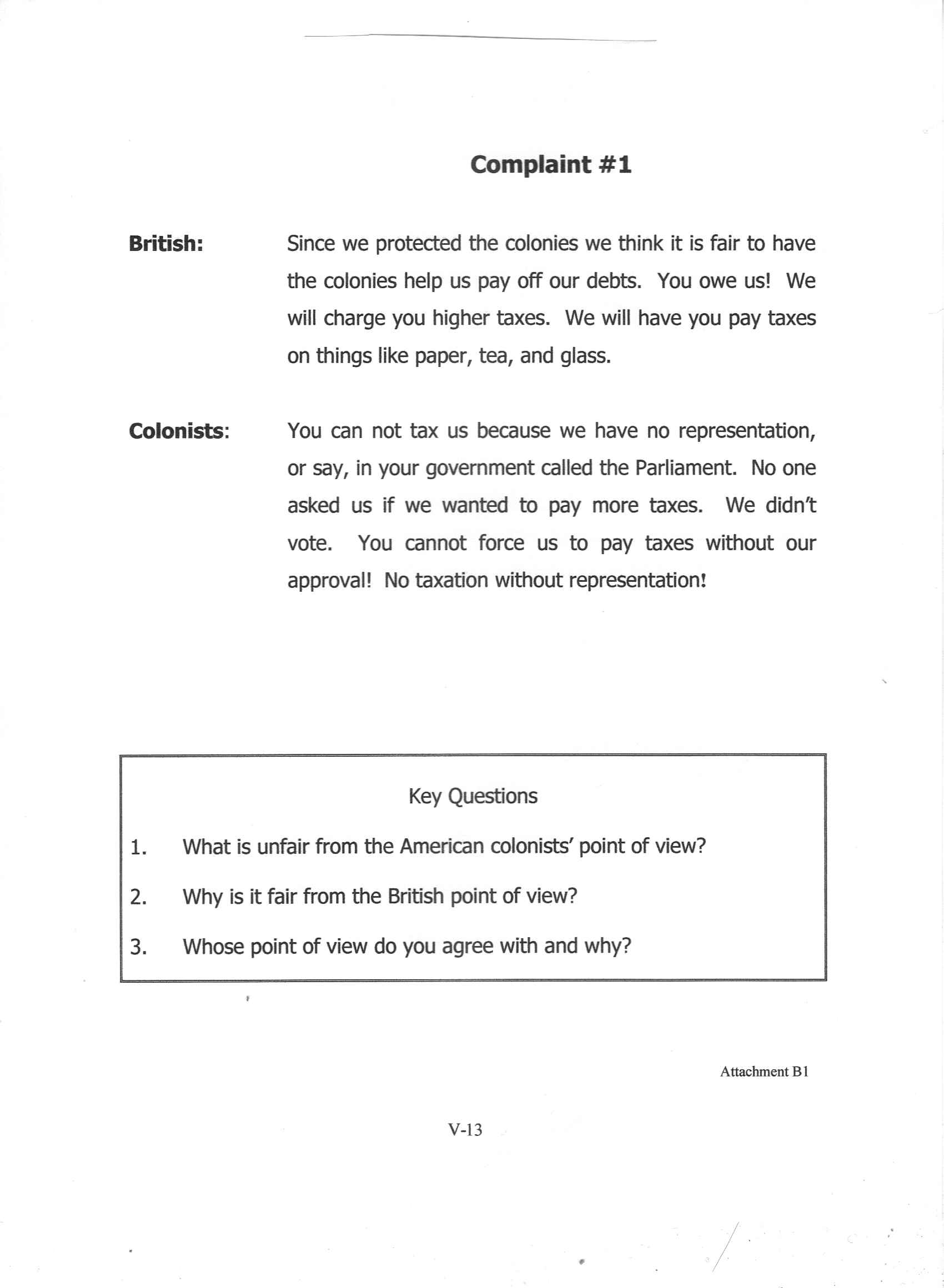
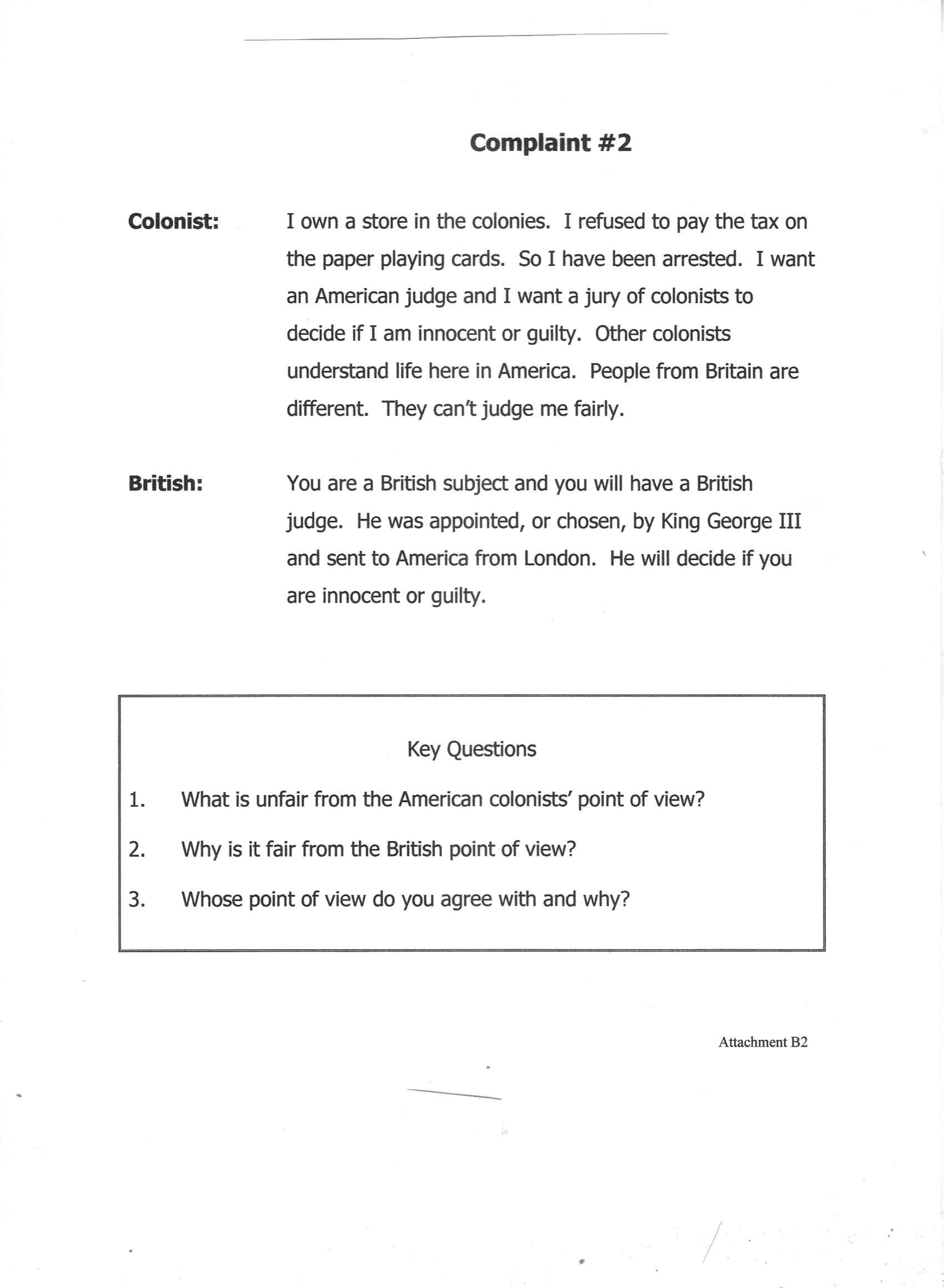
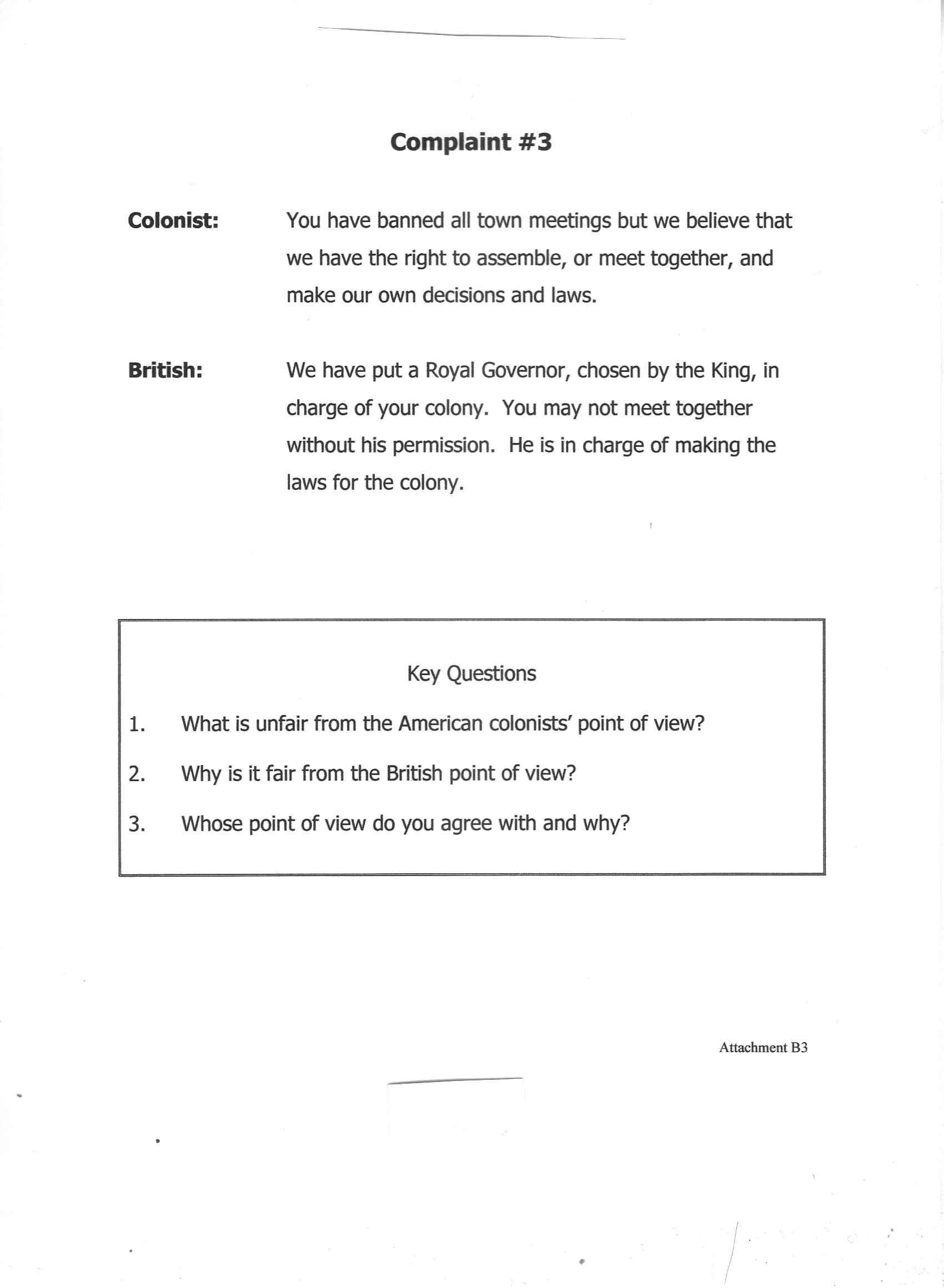
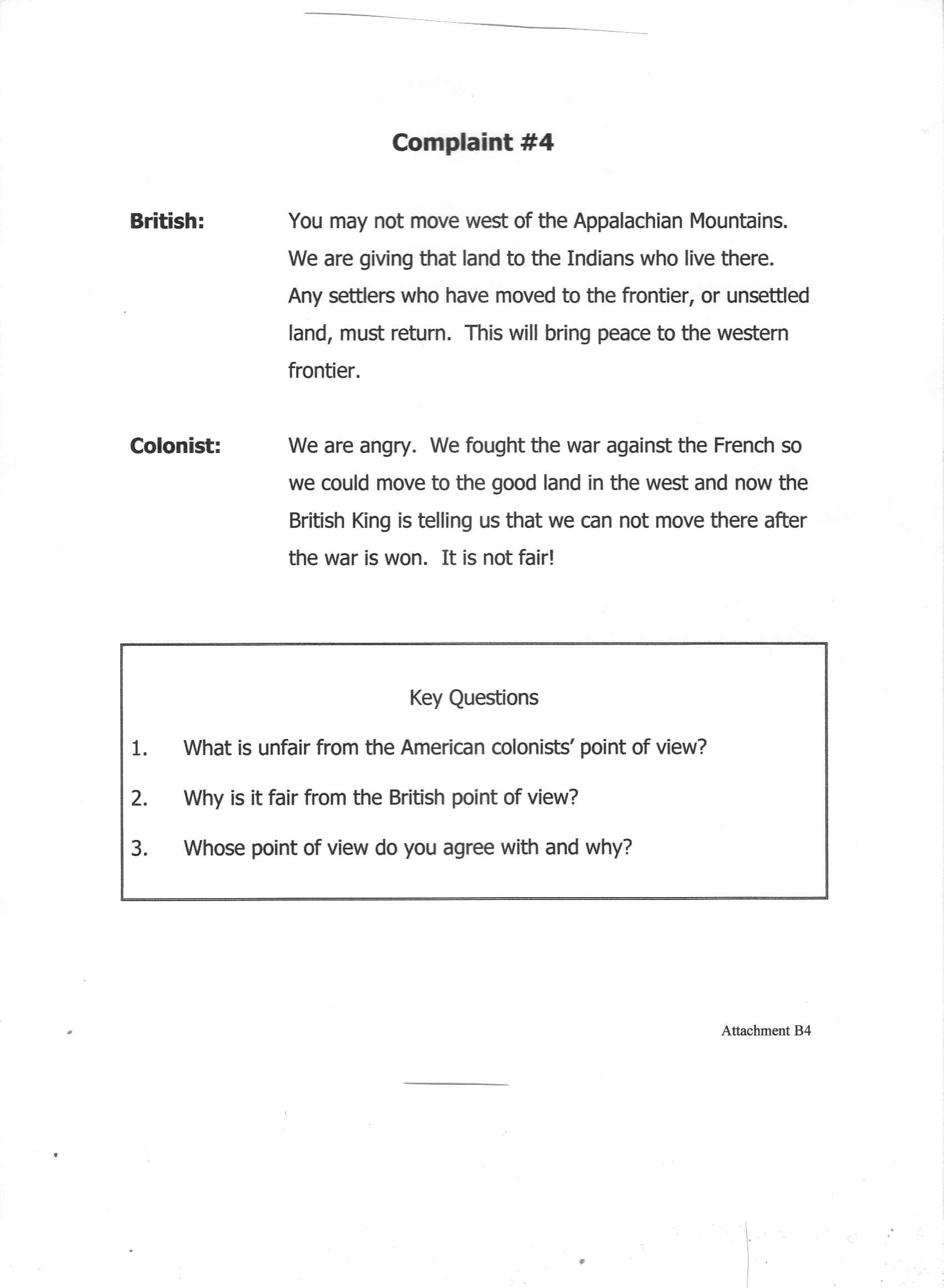
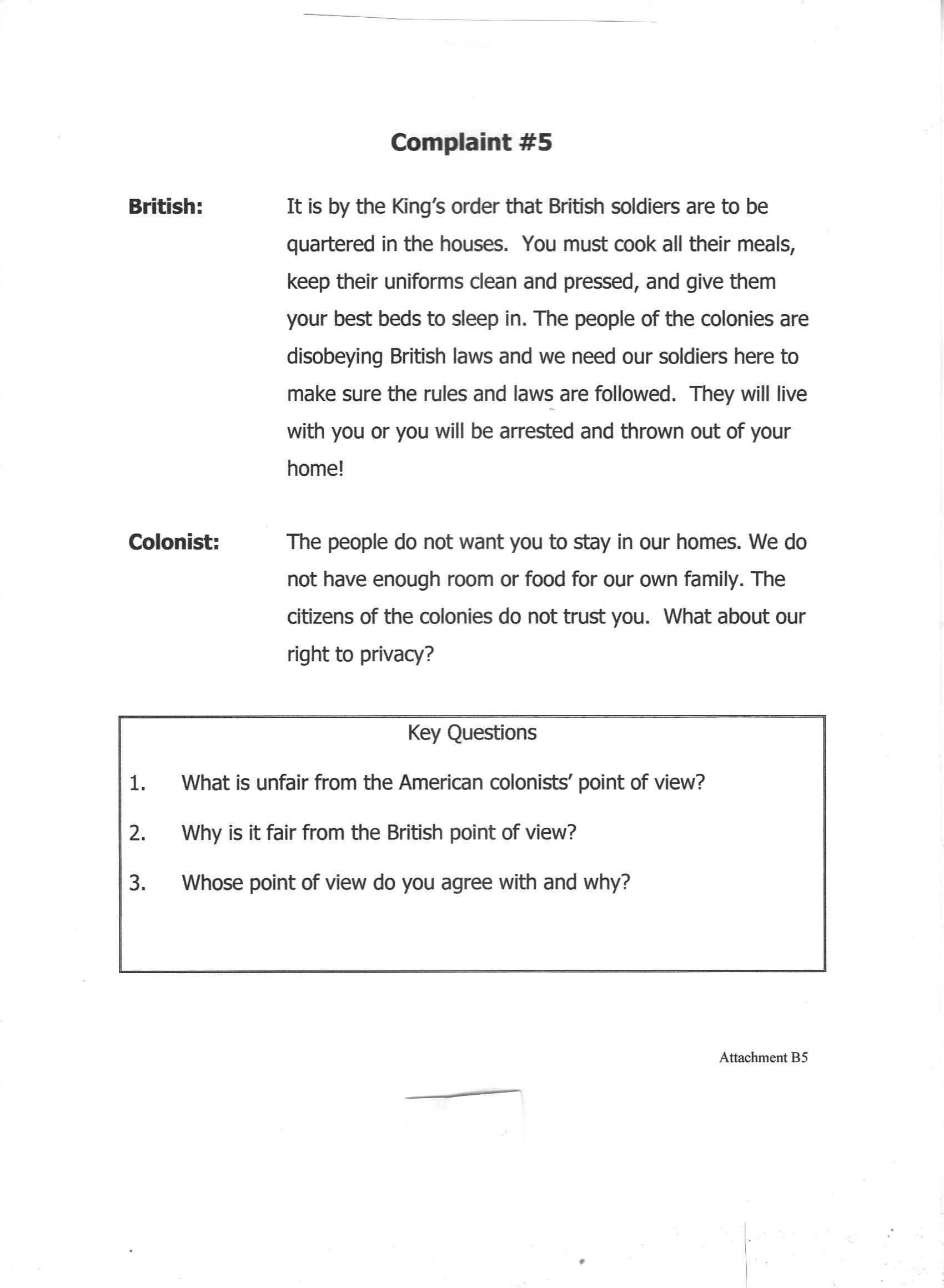
Now lets think about some events of 1776 that were unfair. Using the complaint cards, students will be divided into groups of 5. Each group will get a complaint card. Half the students will take he role of the British and the other half will take the role of the American Colonists. After rehearsal time, each group will have to perform their complaint card in front of the class. After, the class will respond to the questions at the bottom of the complaint card.
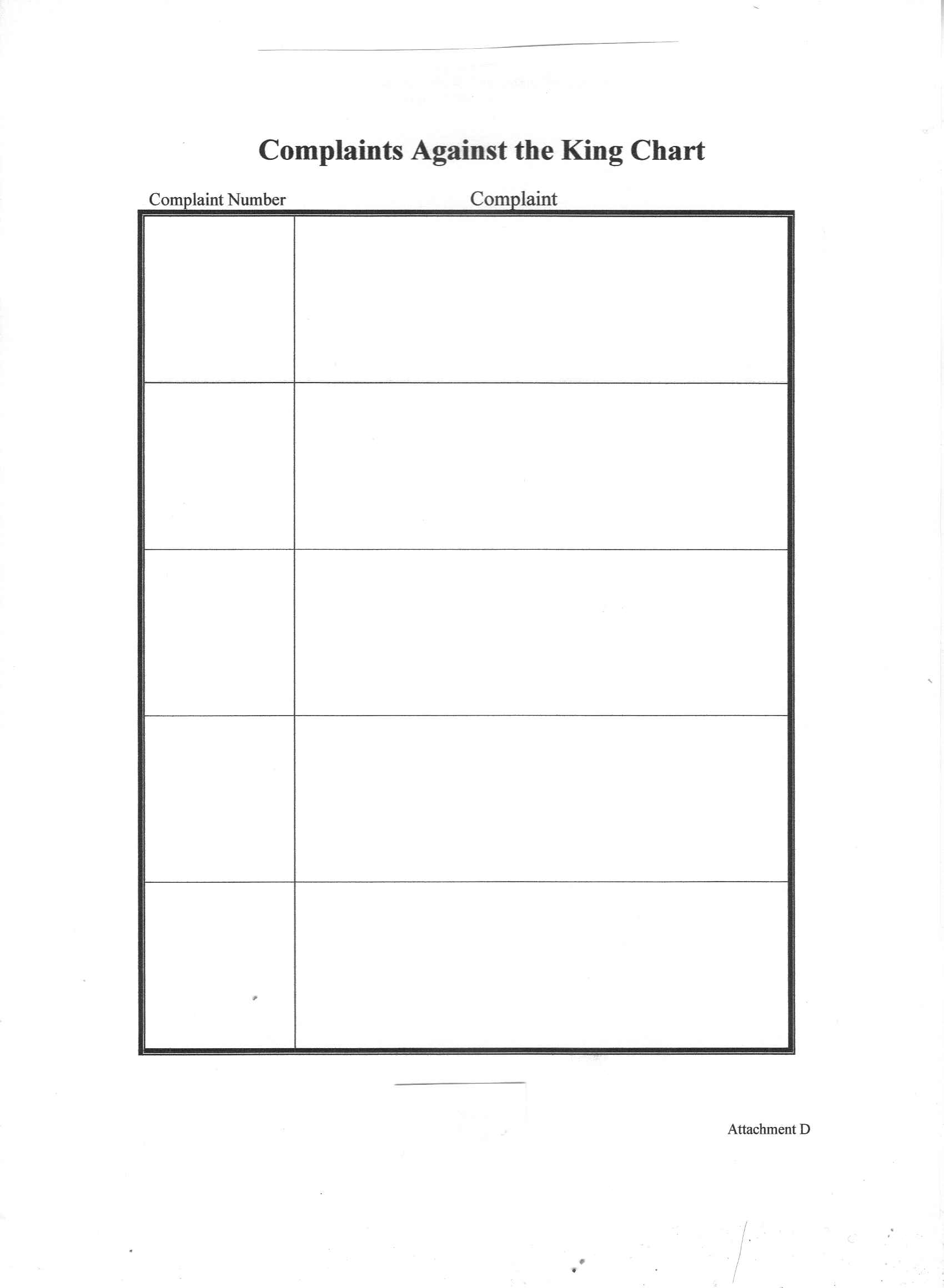
Pass out the complainsts against the king chart and have students respond their answers on the chart.
Day Two:
Key Question: Why did the colonies declare their independence?
Using the complaint cards, re-read the complaints against the British. Because of these complaints, the colonists thought it was unfair and decided to write the Declaration of Independence, declaring their freedom from British rule.
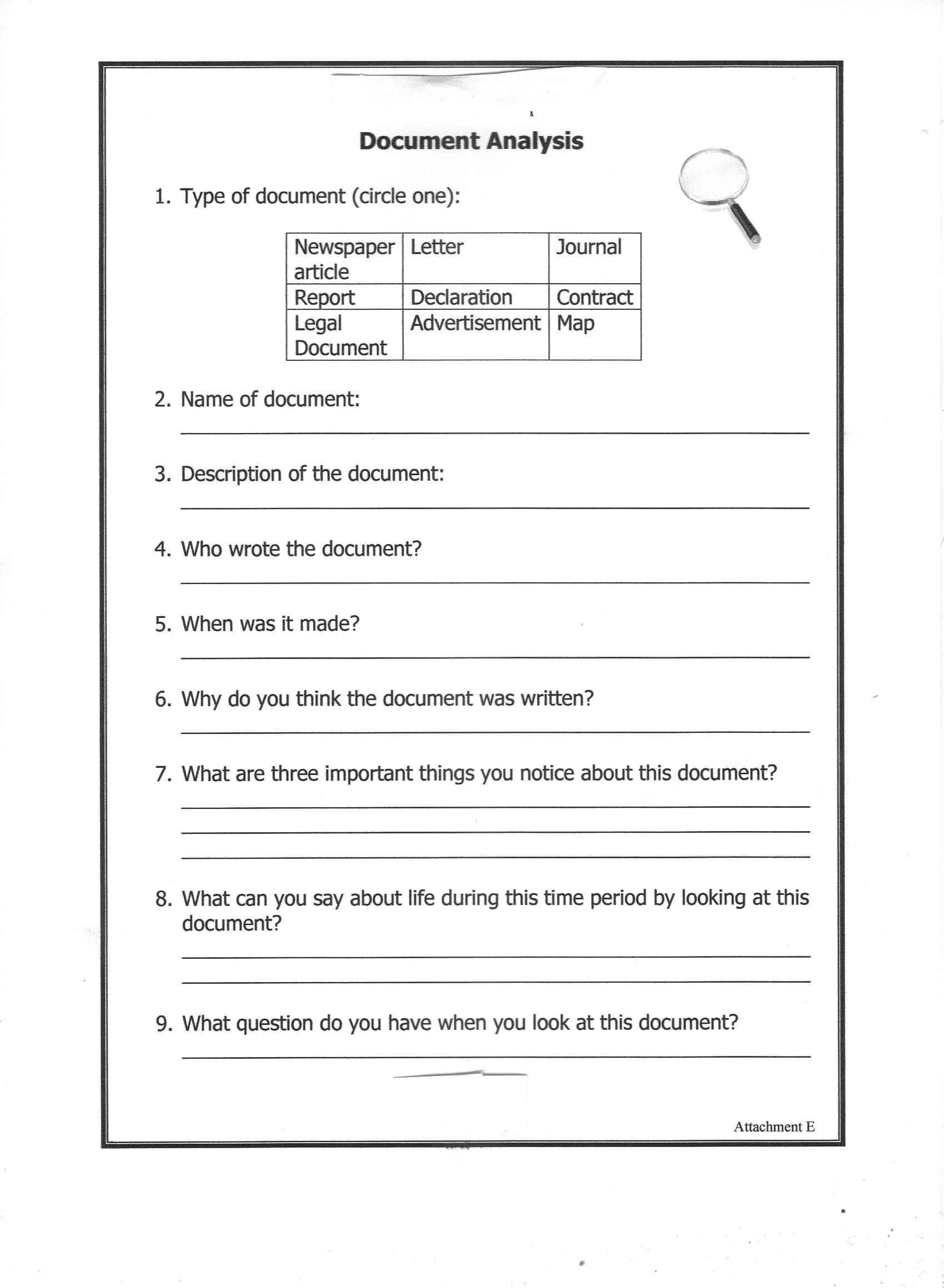
We will now review a reproduction of the Declaration of Independence. (hand out reproductions) each student will get a document analysis sheet to fill out and discuss their findings with the class.
Day Three:
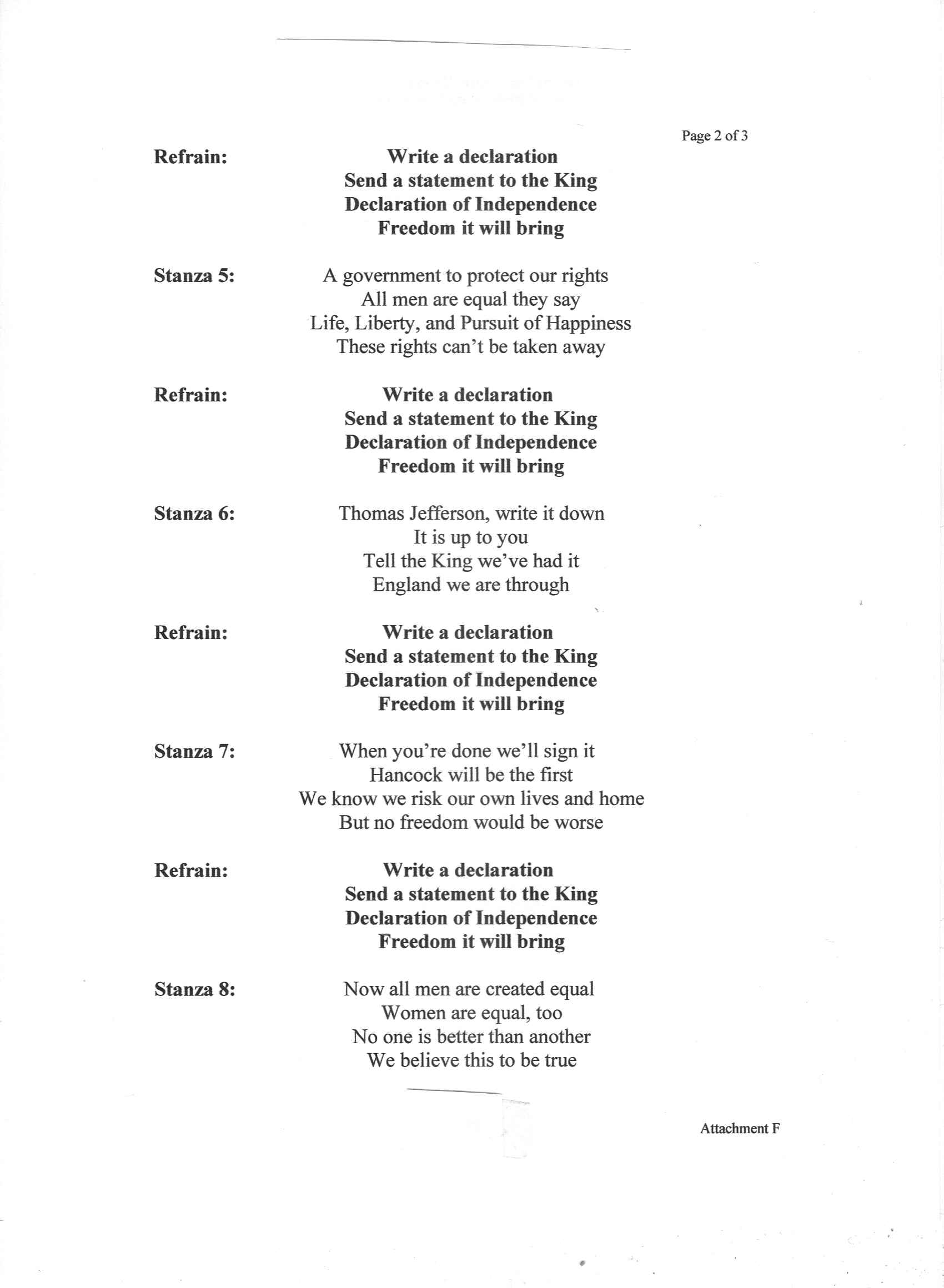
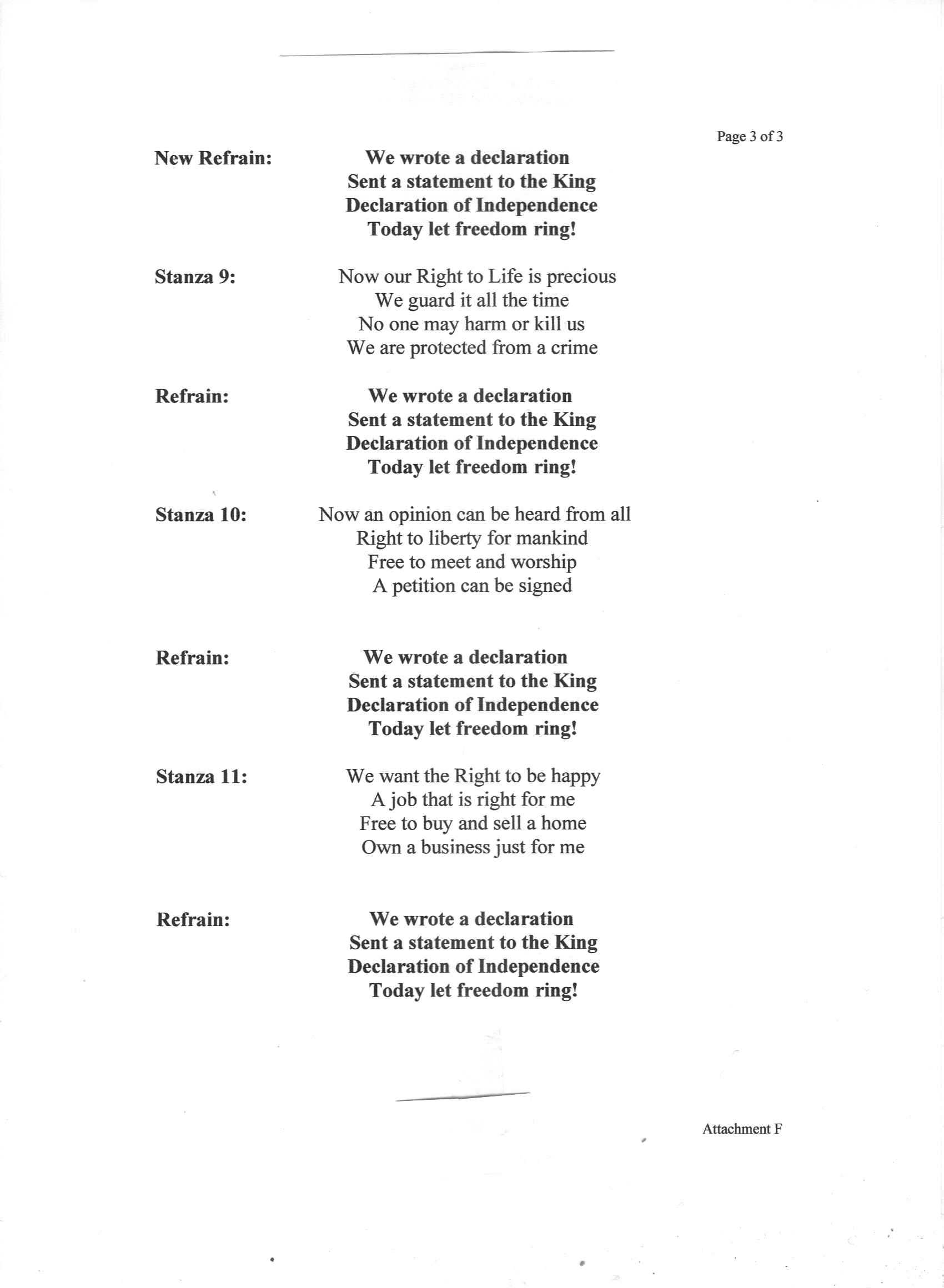
Today we will review What Shall We Do? Each student will get a copy of the chant. Divided into groups, each group will be given designated stanzas. We will recite it in our groups, each group taking their designated turn. Please circle new vocabulary words that you find and try to use context clues to determine the definition. Each group will then draw a sign about what their stanza is about.
Day Four:
Key Lesson Question: What are the American ideals found in the Declaration. What do these ideals look like in our daily life?
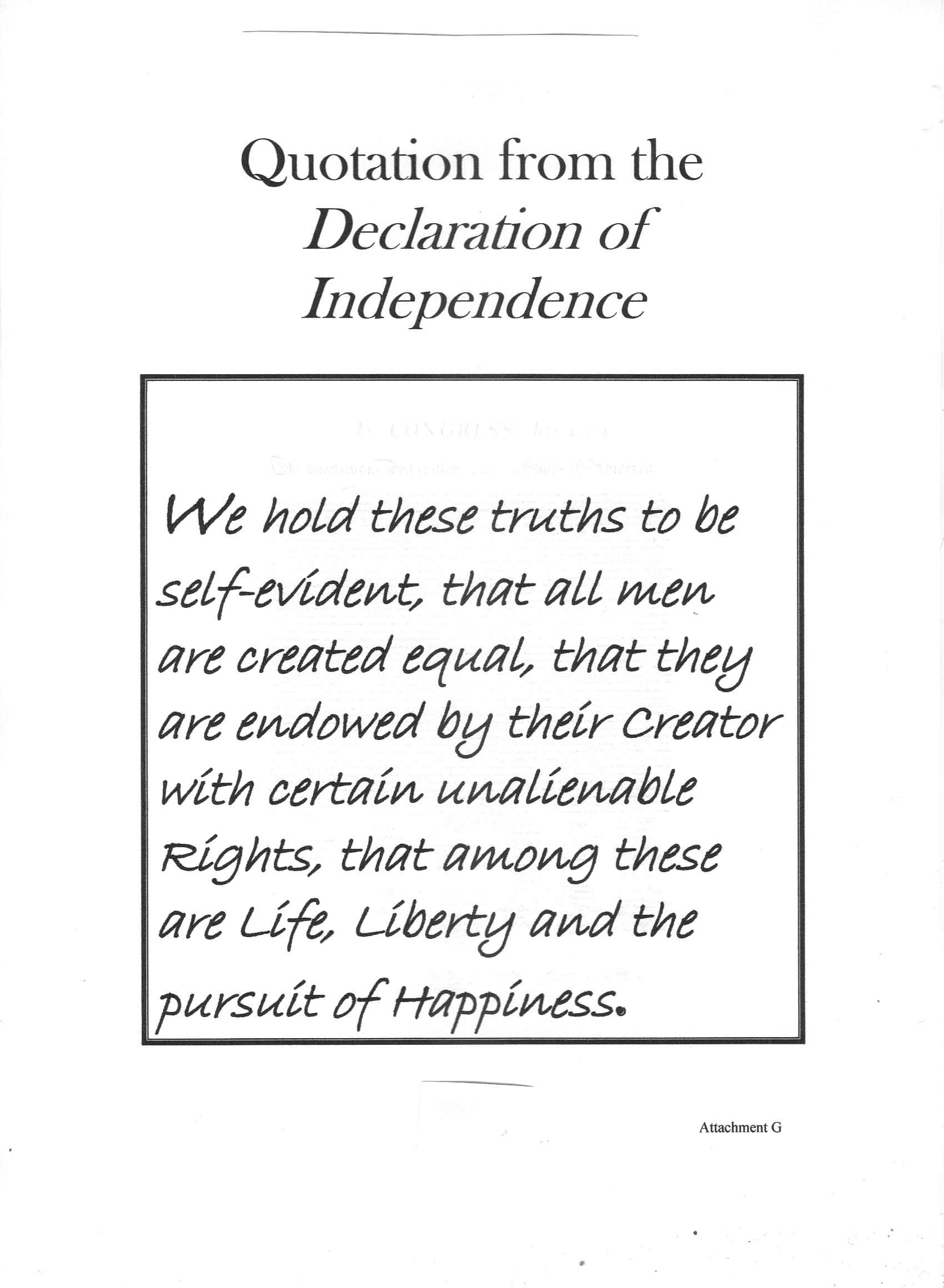
Pass out “A quotation from the Declaration” The class will read the excerpt together aloud. Ask the students to highlight the three rights.
These were the actual words written by Thomas Jefferson. While the Declaration of Independence is not a law, the ideals and goals foundin the Declaration are part of our American beliefs. These are the rights that Americans want and believe in. They are the rights that we have been fighting for ever since the Declaration was written.
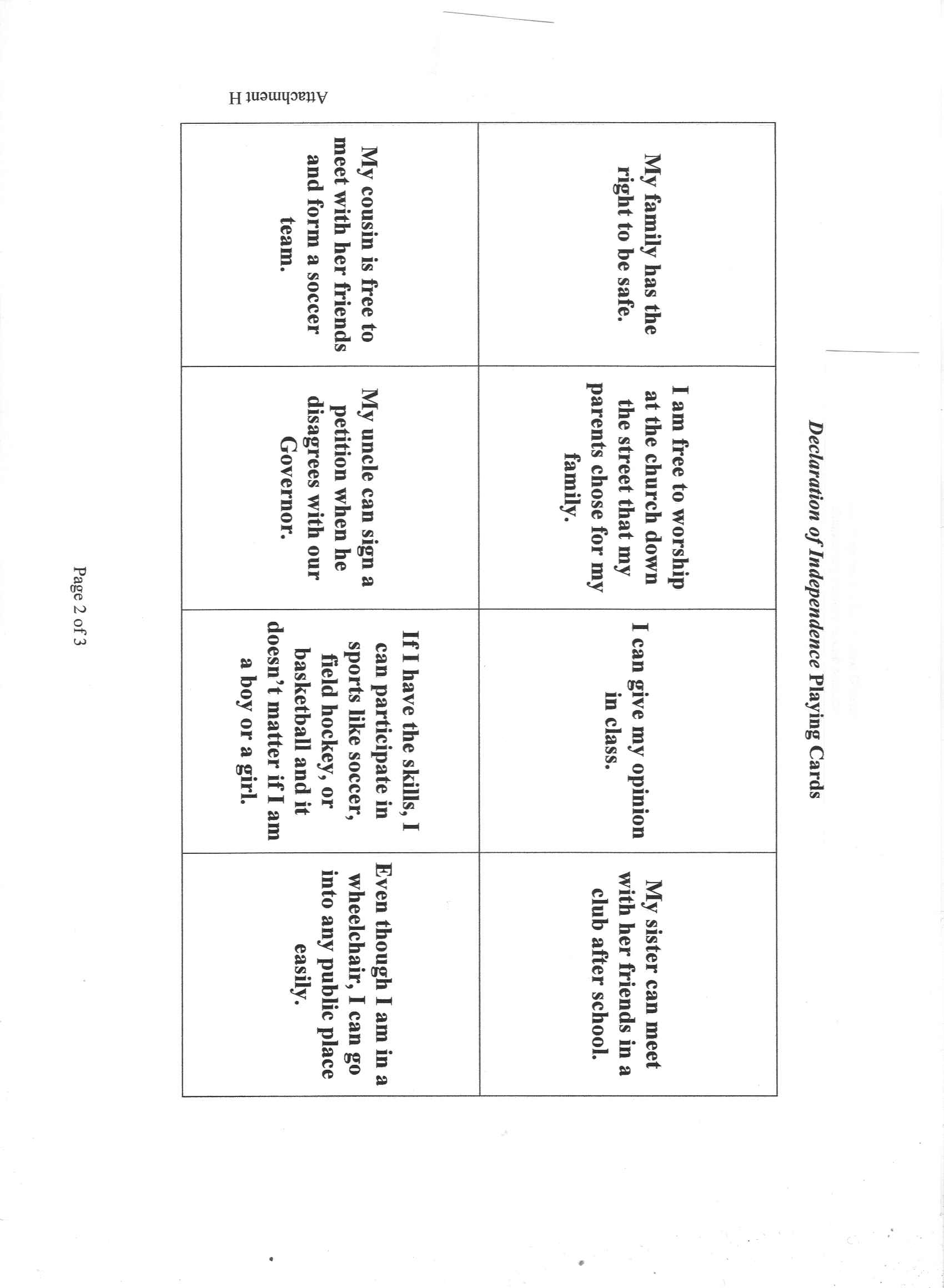
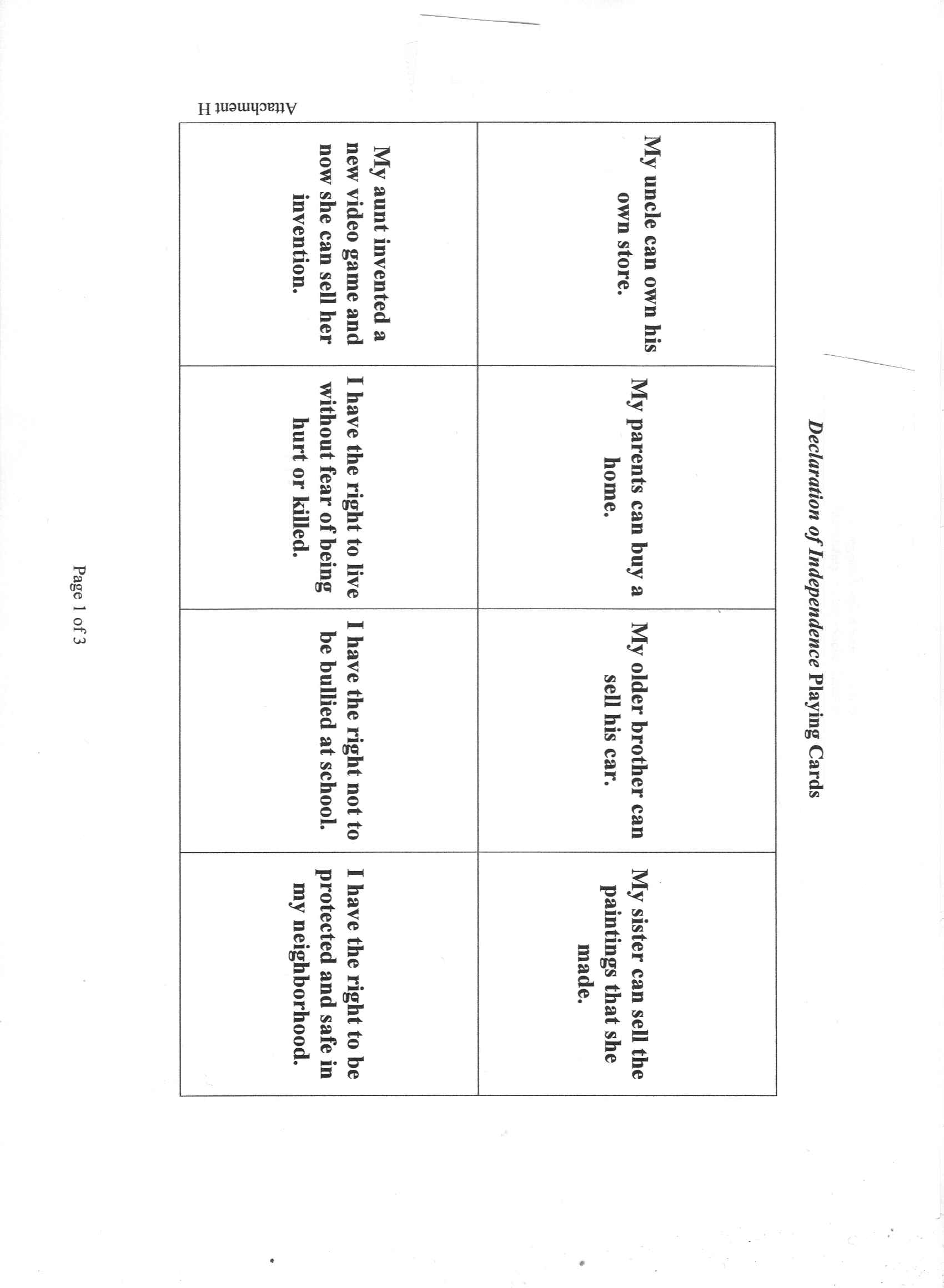
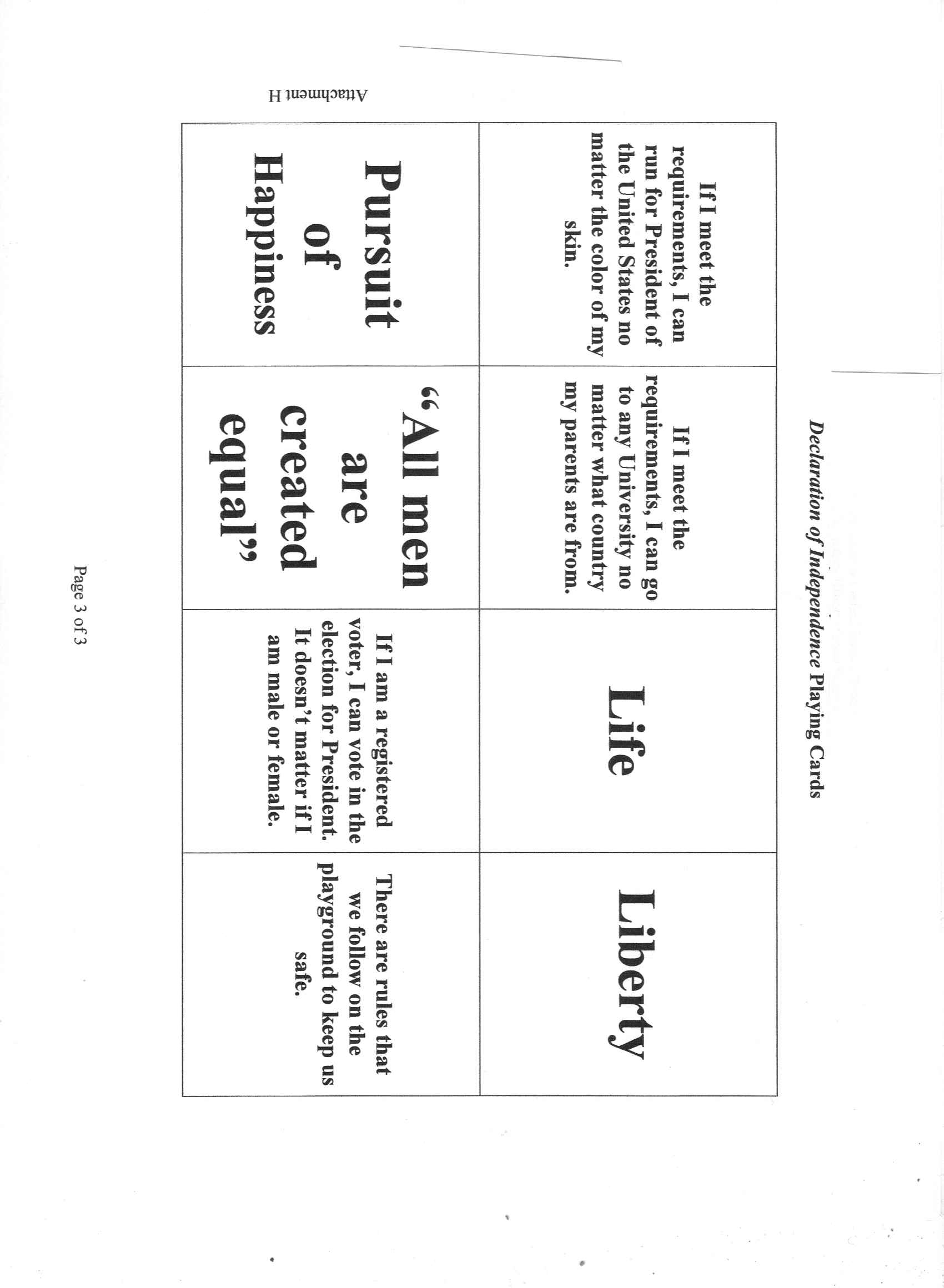
In pairs, we will now play the Declaration card game!
We will reread and highlight stanzas 8,9,10 from the song we learned yesterday. And cut out the playing cards. Students are then to place the cards that say life, liberty, pursuit of happiness and all men are created equal in a row at the top of their desks. This will create 4 columns. Shuffle the cards and deal them out so each partner has a stack of cards. Each student will then take turns picking a card, reading it aloud and placing it in the appropriate column according to what right each card describes. Students should refer to the chant as they decide on the placement of cards. The students will leave the cards on the desk and circulate to other students cards placed on their pairs desk and compare what they had to other students. Students can return to their desk and revise.
Day Five:
Based on what was learned yesterday, today we will be creating a Tree Map with 4 categories.
1) All men are created equal
2) Right to life
3) Right to liberty
4) Right to the pursuit of happiness
The Tree Map will be placed in the fron of the classroom. Using a set of cards, I will read each card aloud. I will then call on a student to place the card where the student thinks it should go on the tree map.
After we will play four corners! The four corners signes will be placed in each corner of the room. Thnk of exampels from your own lives of one of the ideals or rights. Walk to the corner that has a sign that fits that example. Pair up with another student in that corner to share your example. Students will then share with the class what their example is.
If we didn’t have the Declaration of Independence, none of these rights would be guarenteed to us.
Evaluation
|
All the activities will be graded with the rubric listed below. If there was no group work in the activity then individual work will be substituted in the spot for group work with the same qualifiers. |
||||||||||||||||||||||||||||||||||||
| Evaluation Rubric | ||||||||||||||||||||||||||||||||||||
|
|
||||||||||||||||||||||||||||||||||||
|
Conclusion
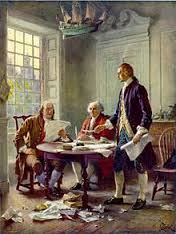
There are many reasons why the Declaration of Independence is so important. It declared of freedom from Great Britains rule and it outlined what and who we are as a country and what we stand for. This lesson has examined what it truly is that the Declaration stood for and how we today, still apply those to our everyday life.
Credits
Teacher Materials

Teacher Page
Standards Addressed in Lesson:
Main Standard
5.5 Students explain the causes of the American Revolution
Focus Standard
5.5.3 Students understand the people and events associated with the drafting and signing of the Declaration of Independence and the document’s significance, including the key political concepts it embodies, the origins of those concepts, and its role in severing ties with Great Britain.
Related Standards
5.4.7 Student will be able to explain the early democratic ideas and practices that emerged during the colonial period, including the significance of representative assemblies and town meetings.
5.6.3 Students will identify the different roles women played during the Revolution.
5.6.7 Students will understand how the ideals set forth in the Declaration of Indepenence changed the way people viewed slavery.
History and Social Sciences Analysis Skill
Students explain how the present is connected to the past, identifying both similarities and differences between the two, and how some things change over time and some things stay the same.
English Language Arts Standards
1.0 Listening and Speaking Strategies
1.3 Make inferences of draw conclusions based on an oral report.
1.4 Select a focus, organizational structure, and point of view for an oral presentation.
1.5 Clarify and support spoken ideas with evidence and examples.
1.6 Engage the audience with appropriate verbal cues, facial expressions and getures.
2.2 Deliver informative presentation about an important idea, issue or even.
2.0 Reading Comprehension
2.2 Discern main idea, concepts; identifying, assessing evidence that supports those ideas.
2.3 Draws inferences, conclusions; supports with evidence, prior knowledge.
Module Vocabulary:
Assembly, boycott, blockase, Britain, British, coerce, colonial, frontier, Lyalists, militia, Minutemen, Parliament, Patriots, petition, proclamation, protest, quartered, rebellion, repeal, revolution, tariff, taxes, treason, representation, Tories.
Review vocabulary and keep a posted list of this vocabulary for reference throughout the module.
Materials found on Credits page