
Introduction
 |
|
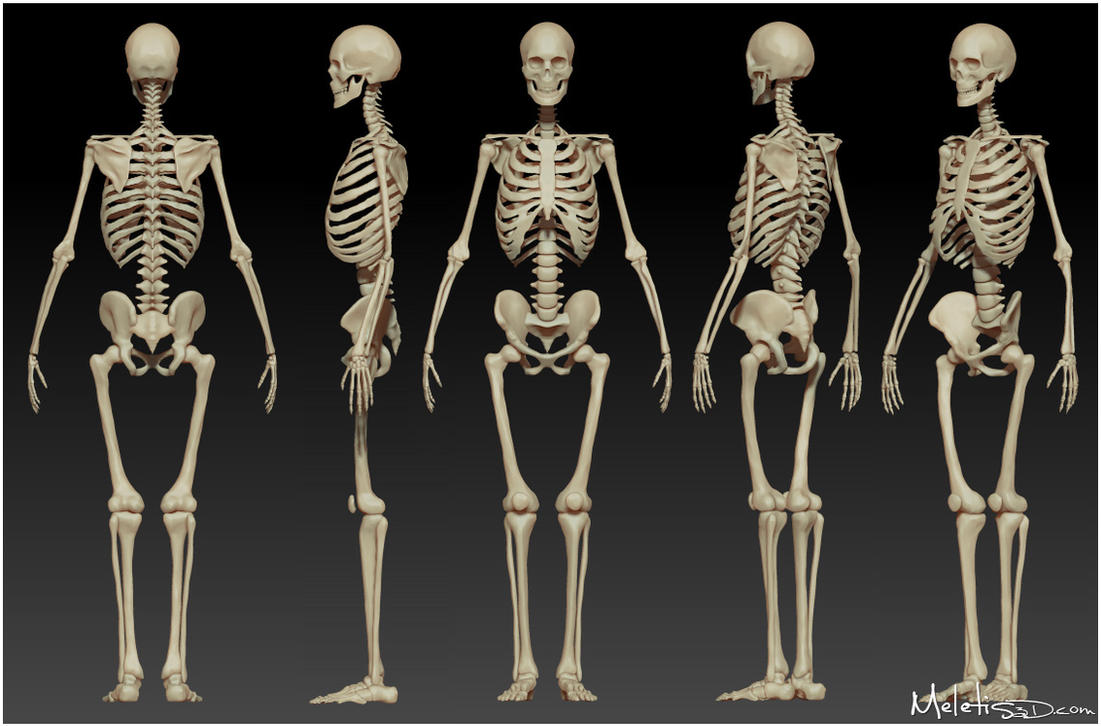
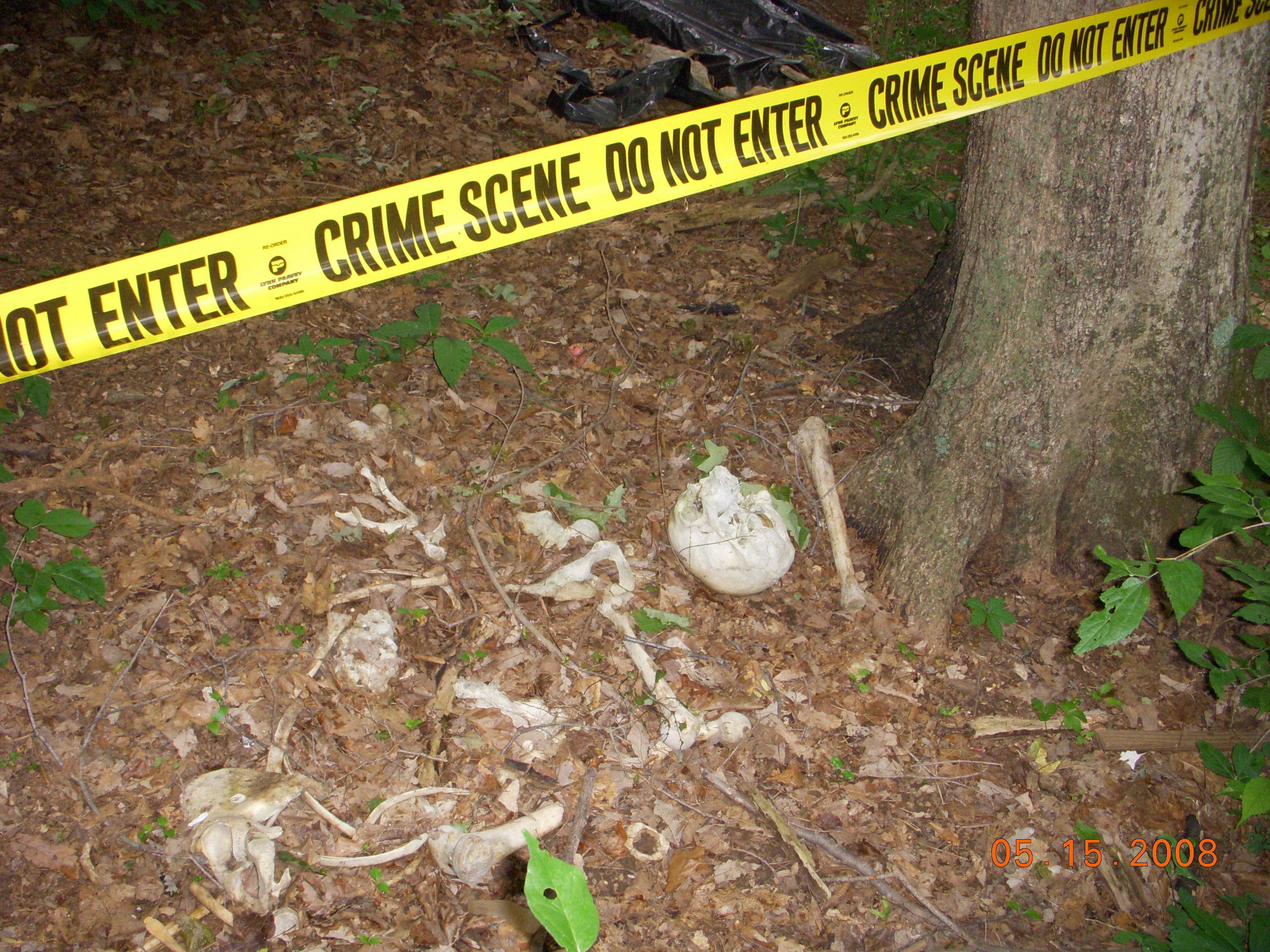
Why do we care about bones? Forensic Investigators can learn a lot from bones. If a skeleton is found, investigators can determine the person's height, build, gender, race, and age just by looking at the bones! This can be a huge help to identify a person when there is only a skeleton left behind. Forensic Anthropologists analyze human bones. As well as identifying the person by their bone characteristics, they can also learn things about their life, past traumas, healed injuries, diseases, and cause of death. By investigating bone fractures or traumas that have healed or have not healed, they can figure out a lot about the person's life.It is very important that Forensic Anthropologists are familiar with each bone in the human body. In this activity, you will learn all about the bones in your body. How many do you have? Which of them give investigators clues about you? These are some of the questions you will find answers to during your webquest today.Make sure you read carefully and follow all instructions for each activity. The conclusion page will give you information about everything you should turn in to receive full credit for this assignment. |
Task
 |
| In the activity today, you will learn how to identify the bones of a human skeleton. To become familiar with each bone, you will practice the names in a couple different ways. You will also learn about the work of forensic anthropologists and their role in criminal investigations. |
Process
 |
| There are common names for each bone and "anatomical" names for each bone. For example, the anatomical name for the shin bone is the tibia. Go to this quiz to test your knowledge of the common and anatomical names for each bone. https://docs.google.com/forms/d/1CL587lwdCANn0PleFx-8EhyP9-5L_rLrfJ_Fu108Z9M/viewform Take the bone identification speed quiz. Be careful when selecting your choice! Complete the quiz with 80% accuracy within 2 minutes. Keep trying until you get it. Raise your hand when you have finished so the teacher write your score on your sheet. http://www.purposegames.com/game/1009 View this fun slideshow and take the quiz at the end. Please do not skip any slides. Raise your hand when you are finished so the teacher can record your score on your sheet. http://www.childrensuniversity.manchester.ac.uk/interactives/science/bodyandmedicine/theskeleton/ Now, you are going to spend some time learning about what forensic anthropologists do. The Smithsonian Museum of Natural History in Washington, D.C. has an excellent online resource for information about anthropology. To start, visit the Smithsonian Museum of Natural History website and experience their webcomic about the discovery of 17th century remains in the Tidewater Chesapeake area of Maryland. This webcomic is based on a true story. As you view the comic, use the online form to answer questions about it. Be sure to submit the online form when you are finished. Take a closer look at bones and what their characteristics reveal about age, gender, race, and species by reading the information found here. |
Evaluation
 |
| Turn in your labeled skeleton and your Webquest scores sheet to the teacher before you leave. Make sure you submitted your online forms for the name the bones activity and the webcomic. |
Credits



Teacher Page
The webquest was created by Karl Hambleton.