
Introduction
Let's Explore Gothic Literature!
A. What is Gothic Literature? Gothic literature is an exploration of the transition between right vs. wrong, the chaos, the corruption, the fears and anxieties, the taboo, the extremes, and the profane within self and society.
B. What are the 11 Gothic Elements? Gothic landscapes, Gothic psyche, Gothic figures, Gothic religion, Gothic dearth, Gothic themes, Gothic phenomena, the sublime, the grotesque, the abject, and the uncanny
C. What are the 3 types of Gothic Literature? Cyber Gothic/Dystopia, Urban Gothic, and Techno Gothic
D. Gothic Literature is recognized by 4 different aspects: Setting, Characters, Plot, and the Supernatural
[video:http://youtu.be/G2rV9_lkwf8 align:center]
Task
Aspect #1: Setting
Let's focus on the first Gothic element, GOTHIC LANDSCAPES.
*Ruined or decayed dwellings (abandoned house, haunted house, projects, the ruins of a disaster-ridden house)
*Ruined or decayed cities/towns (afflicted by loss of their once distinguished history through war, plague, social unrest, social unrest, decadence, etc.)
*Cities/towns that have been superficially reconstructed, reflecting an "artificiality of the real"
*Tree-lined back roads
*Crypts, tombs, graves
*Dungeons, torture chambers
*Dark towers, hidden rooms
*Secret corridors/passageways
*Dense spaces (woods, oceans, outer space, caves)
Watch this short video. Can you identify the Gothic Landscapes?
[video:http://youtu.be/M2smFAZM3pA align:center]
Aspect #2: Characters
Let's focus on a second Gothic element, GOTHIC FIGURES.
*Damsels in distress (women caused by socio-political/economic obstacles or real/perceived mortal danger)
*Men in misery (caused by socio-political obstacles or real/perceived mortal dangers
*Marvelous or mysterious creatures, monsters, ghosts, or strangers
*Mysterious figures with supernatural powers
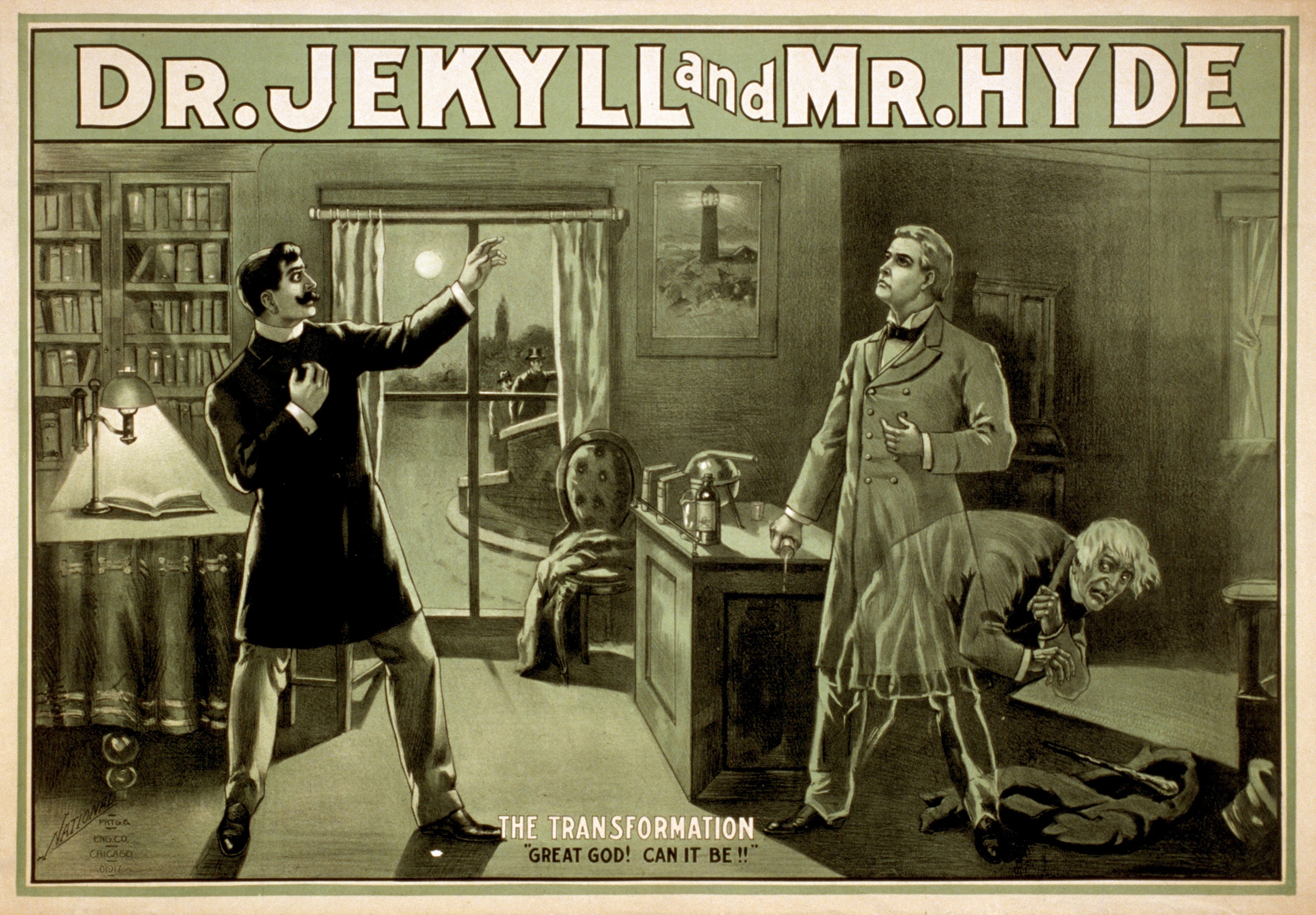
Take a look at some examples of Gothic figures in literature.
What makes them Gothic?


Process
Now... Let's see what you can discover.
[video:http://youtu.be/VPk9E3nUAvk align:center]
Choose THREE following prompts and respond thoroughly in your Literature journals. Click play on the video above to give you some Gothic inspiration!
1. Given what you've learned about Gothic Lit. thus far, how would you define ASPECT #3, Gothic plot?
2. Given what you've learned about Gothic Lit. thus far, how would you define ASPECT #4, the Supernatural?
3. List five films that you feel are Gothic. Explain why.
4. List five novels/short stories/poems that you feel are Gothic. Explain why.
5. Write a poem including a Gothic figure.
6. Draw a picture of a Gothic landscape.
When you are finished, continue exploring here!
Evaluation
On a blank peice of notebook paper, answer the following questions for a free quiz grade!
1. Name the four aspects that identify Gothic Literature.
2. Give an example of a Gothic figure in literature.
3. Describe in a few words an example of a Gothic landscape.
4. Do you think Gothic Literature is always involved with horror? Why or why not?
Submit your quiz to the teacher once you finish. Then, continue exploring here!
Conclusion
When one ponders the month of October, he/she often thinks of Halloween and all of the festivities and decor associated with it: leaves of red, orange, and gold, trick-or-treating down a dim neighborhood street, telling ghost stories, or even superstitious, black cats.
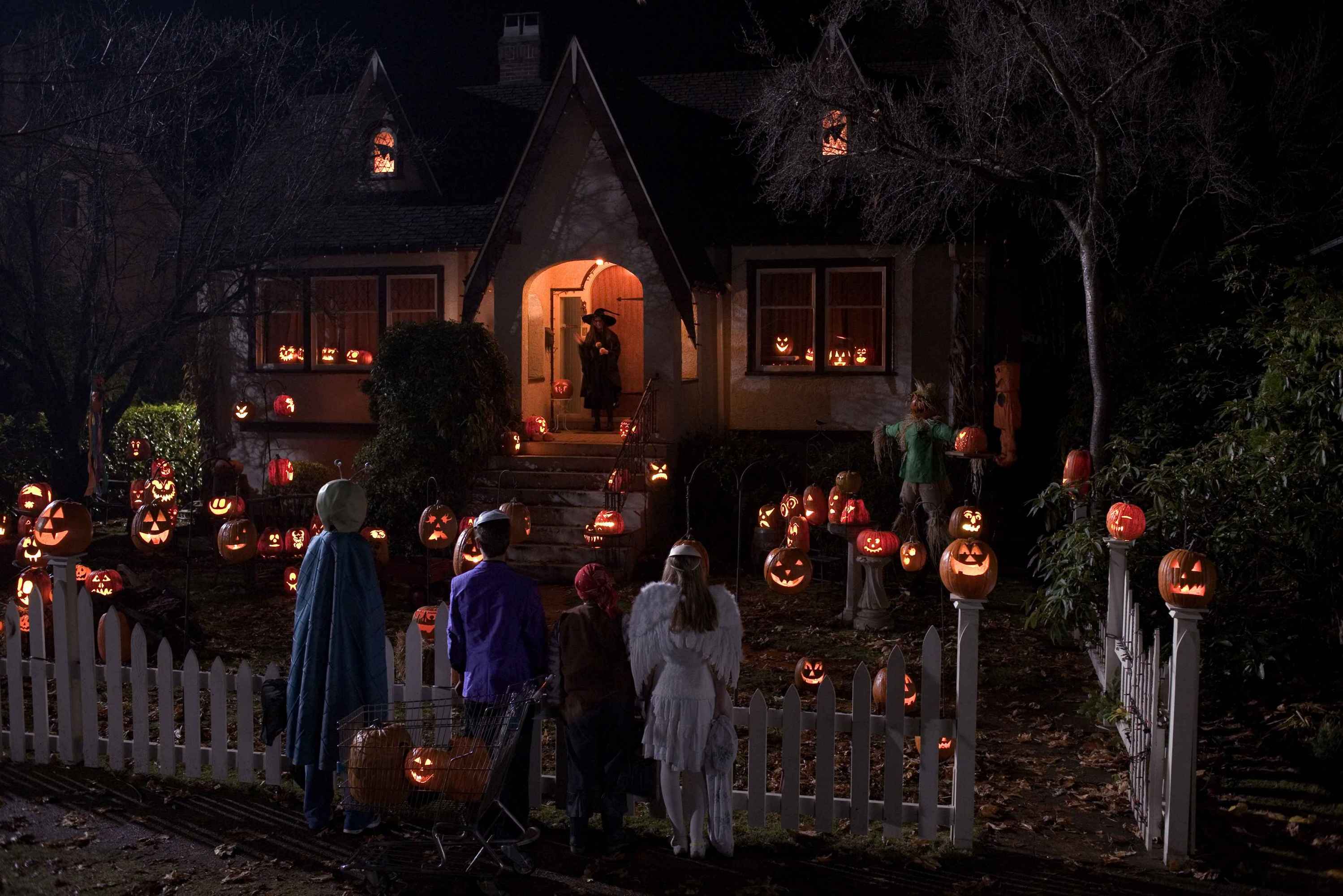


It is from these things that the idea of celebrating such mysterious genre originated. Moreover, many authors were inspired from those eerie emotions into composing pieces of literature that are deemed Gothic.
Gothic literature is an exploration of the transition between right vs. wrong, the chaos, the corruption, the fears and anxieties, the taboo, the extremes, and the profane within self and society.
However, not all pieces of Gothic literature are scary. Some pieces focus on the abstract, the unknown, and the unusual.
Now, we are ready to begin our new unit, Octoberfest!