
Introduction
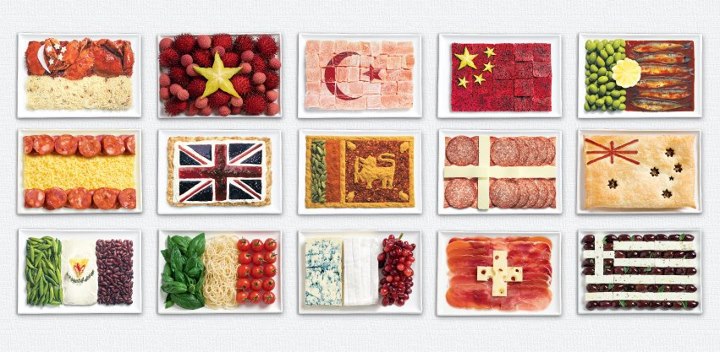
Have you ever wondered where your favourite dishes come from? What history lies behind them? What ingredients are they made from? What health benefits do they give to you? Would you like to cook them yourself? This webquest will help you to learn more about national dishes from all over the world.
Task
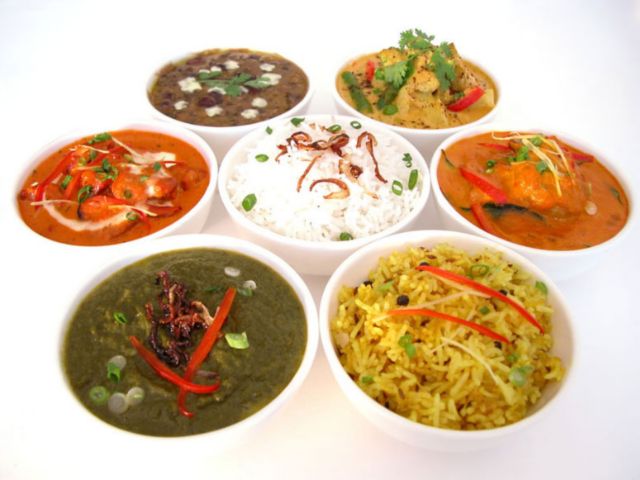
Congratulations! You've just finished culinary school. You want to open your International Restaurant with national dishes from different countries. You need to decide what dishes will be on the menu. To do this, you'll have to study national cuisines of different countries, choose the dishes and learn to cook them!
By the end of the webquest your class will have created a menu for your International Restaurant including their history, health benefits, ingredients, recipes and video or oral presentation.
Process
Week 1. HISTORY
1. Discuss on the blog and choose the name for your restaurant. Active participants will get a plus.
2. Decide if you will work individually or in pairs. Surf the net and find a dish with an interesting history from any country. It might also include a tradition which people still keep in this country. Make sure you have chosen the dish which you'll be able to cook later. Write the name of your dish and the country next to your name in the google document "Dishes and countries" on the blog. Your dish must be different from the others'.
3. Adapt the story of your dish: shorten and simplify the language so that your classmates will understand it. Share the story on the blog in 10-15 sentences.
Deadline: April 6th.
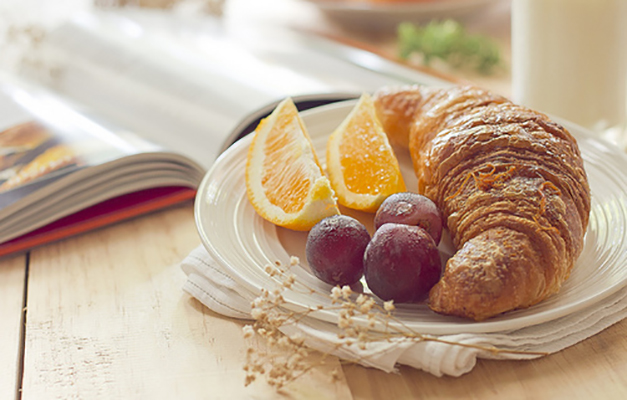
You can read a history of the croissant as an example here:
http://labadiane-hanoi.com/spice-conners/interesting-history-croissants/
You can use the sites below as well as any other sources of information:
http://kitchenproject.com/history/
http://www.history.com/news/hungry-history
------------------------------------------------------------------------------------------------------------------------------------
Week 2. HEALTH BENEFITS
Find out what ingredients are needed for your dish and what health benefits they have. Share the information on the blog in 8-10 sentences. Don't forget to simplify the language. Use the vocabulary words of the unit.
Deadline: April 13th.
Read an article about health benefits of croissants and try to simplify and shorten it to 8-10 sentences. Use it as an example.
http://healthyliving.azcentral.com/health-benefits-croissants-17899.html
You can find some useful information here:
http://www.medicalnewstoday.com/articles/269143.php
http://www.joybauer.com/food-articles.aspx
-------------------------------------------------------------------------------------------------------
Week 3. COOKING!
Part 1
Before we start cooking, let's make a list of cooking vocabulary. It will consist of two parts: cooking verbs, e.g. to slice, to pour, etc. and kitchen appliances, e.g. a pan, a chopping board, etc. On the blog there will be a google document with your names. Next to your name write the words in the corresponding columns with their translation into Russian. Make sure you don't repeat the words written by someone else before you. Active participants will get a plus.
Deadline: April 17th.
Part 2
Watch a video of making croissants and write down the recipe including the ingredients and the process.
https://www.youtube.com/watch?v=x69jR0BrgNE
Part 3
Write the recipe of your dish including its history, health benefits, the ingredients and the process. Send it to seur@mail.ru. You will see all the recipes on the padlet wall on the Internet.
Deadline: April 22nd.
Week 4. PRESENTATION
Cook your dish. Invite your friend to make a video of you cooking. You will have a lot of fun! Send your video to seur@mail.ru.
To link the parts of your video you might use the programme Windows Movie Maker 2.6. You can download it here:
http://windows-movie-maker.en.softonic.com/
Alternative: If you have no possibility to make a video, cook your dish, bring it to the presentation lesson and tell the class about the dish: its history, health benefits, the ingredients and the process.
Presentation lesson: April 27th.
Evaluation
Rubrics for "History of a dish"
| 1 | 2 | 3 | |
|
Focus on Topic |
The information is related to the topic. It has no interesting facts. | The information is related to the topic. It has some interesting facts. | The information is related to the topic. It has a lot of interesting facts. |
| Grammar and Spelling | There are more than 5 grammar and spelling mistakes. | There are 3-5 grammar and spelling mistakes. | There are 1-2 grammar and spelling mistakes. |
| Vocabulary | The vocabulary is neither rich nor easy to understand. | The vocabulary is rich but not easy to understand. | The vocabulary is rich but easy to understand. |
| Size | There are 3-5 sentences. | There are 6-9 sentences or more than 15. | There are 10-15 sentences. |
12 points - "10"
10-11 points - "9"
8-9 points - "8"
6-7 points - "7"
4-5 points - "6"
Rubrics for "Health benefiits of a dish"
| 1 | 2 | 3 | |
|
Focus on Topic |
The information is 20-40% related to the topic. | The information is 50-90% related to the topic but . | The information is 100% related to the topic. |
| Grammar and Spelling | There are more than 5 grammar and spelling mistakes. | There are 3-5 grammar and spelling mistakes. | There are 1-2 grammar and spelling mistakes. |
| Vocabulary | The vocabulary is neither rich nor easy to understand. | The vocabulary is rich but not easy to understand. | The vocabulary is rich but easy to understand. |
| Size | There are 1-4 sentences. | There are 5-7 sentences or more than 10. | There are 8-10 sentences. |
12 points - "10"
10-11 points - "9"
8-9 points - "8"
6-7 points - "7"
4-5 points - "6"
Rubrics for the final project "Recipe of a dish"
| 1 | 2 | 3 | |
|
Organisation |
The project is made up of only the recipe. | The project includes only 2 of the parts: History, Health benefits and Recipe. | The project is made up of 3 parts: History, Health benefits and Recipe. |
| Recipe | The recipe is given without details and not in the correct order. | The recipe is given without details but in the correct order. | The recipe is given in detail and in the correct order. |
| Grammar and Spelling | There are more than 5 grammar and spelling mistakes. | There are 3-5 grammar and spelling mistakes. | There are 1-2 grammar and spelling mistakes. |
| Vocabulary | The vocabulary is neither rich nor easy to understand. | The vocabulary is rich but not easy to understand. | The vocabulary is rich but easy to understand. Linking words are used. |
12 points - "10"
10-11 points - "9"
8-9 points - "8"
6-7 points - "7"
4-5 points - "6"
Rubrics for the video "Recipe of a dish"
| 1 | 2 | 3 | |
|
Organisation |
The video is made up of only the recipe. | The video includes only 2 of the parts: History, Health benefits and Recipe. | The video is made up of 3 parts: History, Health benefits and Recipe. |
| Creativity&Artistic abilities | The film has some creative ideas but doesn't reveal great artistic abilities. | The film has some creative ideasand reveals goodartistic abilities. | The film has a lot of creative ideas and reveals great artistic abilities. |
| Grammar and Spelling | There are more than 5 grammar and spelling mistakes. | There are 3-5 grammar and spelling mistakes. | There are 1-2 grammar and spelling mistakes. |
| Vocabulary | The vocabulary is neither rich nor easy to understand. | The vocabulary is rich but not easy to understand. | The vocabulary is rich but easy to understand. Linking words are used. |
12 points - "10"
10-11 points - "9"
8-9 points - "8"
6-7 points - "7"
4-5 points - "6"
Conclusion
I hope you have enjoyed doing this project. Now you can surprise your family and friends with delicious dishes cooked by your classmates!