
Introduction
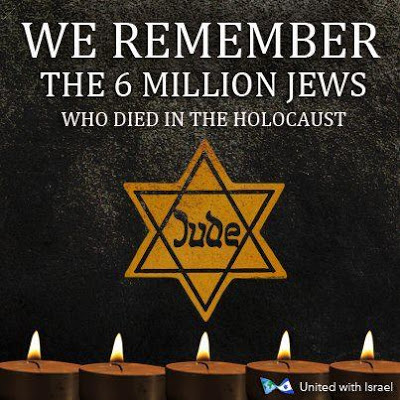
“Without memory, there is no culture. Without memory, there would be no civilization, no society, no future.” Elie Wiesel
Please watch the video, The Power of Truth. In order to do so, you will need to left click on the link of the same title found in the upper right hand portion of the following page: http://www.ushmm.org/information/about-the-museum. When you are done, please respond to the following prompt in a free write measuring a minimum of a page in length.
- What is the United States Holocaust Museum?
- What are the goals of this organization?
- What is the connection between Wiesel's view on the importance of memory and the work they do both in the museum itself as well as online?
Please keep this free write in your file folder.
Task

 "Visitors to the United States Holocaust Memorial Museum’s Permanent Exhibition receive ID cards chronicling the experiences of people who lived in Europe during the Holocaust. These cards are designed to help personalize the historical events of the time.
Each identification card has four sections: The first provides a biographical sketch of the person. The second describes the individual’s experiences from 1933 to 1939, while the third describes events during the war years. The final section describes the fate of the individual and explains the circumstances—to the extent that they are known—in which the individual either died or survived" (www.ushmm.org).
Though we do not have the luxury of visiting the museum, the following activity has been designed to serve as a digital recreation of this experience.
Process
Select one of the identification cards on the following page: http://www.ushmm.org/remember/id-cards. Use the information you find to answer the following questions.
- Name:
- Birthdate:
- Home:
- Give a brief biographical sketch of the person that includes answers to the following questions: Where did they grow up? How many people were in their family? What did their parents do for a living?
- Describe the individual’s experiences from 1933 to 1939.
- Describe events during the war years.
- Describe the fate of the individual and explains the circumstances—to the extent that they are known—in which the individual either died or survived.
- Select one of the blue, underlined words in the transcript. Identify the word along with its meaning (definition) and discuss its relevance to the life of the person you are researching.
`
Conclusion
More Than a Number Assignment
Use the information you have gleaned from the internet to create a journal chronicling the individual’s experience before, during and after the war. Write this journal from a first person point of view. Though this will mean that you will be taking creative license with their story, please do your utmost to keep the journal grounded in the facts you have gathered. You will be creating three journal entries, one from before the war, another from during the war and third from after the war. If the person you researched did not survive, your final journal entry will be from the point of view of someone associated with that person.
Credits
If you're interested in learnign more about the Holocaust, please visit the following Web page: http://www.ushmm.org/