
Introduction
_30.jpg)
Welcome Scientists! You are about to embark on a journey through museums and space to learn about Simple Machines! You use them every day! You use them everywhere! Now you will learn to identify and use simple machines wherever you go!
Task
Your task is to locate simple machines in your house and throughout your daily lives. You will have to know the names of the 6 simple machines, be able to identify them and give an example. When you have completed your research through games and quizzes, you will use one of the following methods to report on what you have learned.
You will need to demonstrate you know the following:
- List 6 Simple Machines.
- Draw or Describe the 6 Simple Machines.
- Give examples of 6 Simple Machines used every day.
Use the following to report your understanding:
Have Fun!
Process
Follow the links below to learn about the 6 Simple Machines.
LEVER 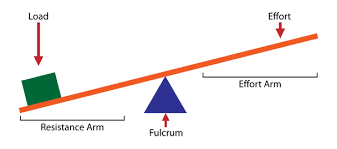
PULLEY 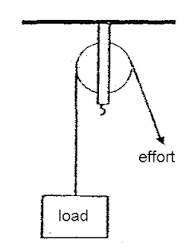
WHEEL AND AXLE 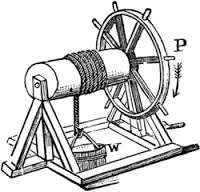
WEDGE 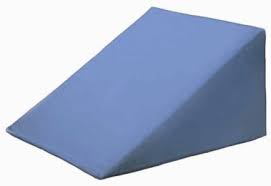
SCREW 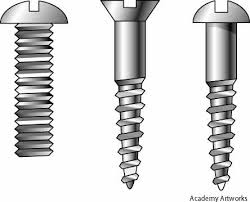
INCLINED PLANE 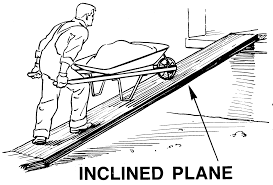
The following are games to help you learn more about the 6 Simple Machines.
Test yourself!! Do you know all the 6 Simple Machines, their names, what they do and examples of common simple machines?
Evaluation
Poster Creation Rubric
| Beginning 1 | Developing 2 | Accomplished 3 | Exemplary 4 | |
| Graphics-Clarity | Many graphics are not clear or are too small. |
Most graphics are in focus and the content easily viewed and identified. |
Most graphics are in |
Graphics are all in focus and the content easily viewed and identified. |
| Graphics − Relevance |
Graphics do not relate to the topic OR several borrowed graphics do not have a source citation. |
Some graphics relate to the topic. Most borrowed graphics have a source citation. |
All graphics are related to the topic and most make it easier to understand. All borrowed graphics have a source citation. |
All graphics are related to the topic and make it easier to understand. All borrowed graphics have a source citation. |
| Labels | Labels are too small to view OR no important items were labelled. |
Several items of importance on the poster are clearly labelled. |
Almost all items of importance on the poster are clearly labelled. |
All items of importance on the poster are clearly labelled. |
| Content | Student appears to have insufficient knowledge about the facts or processes used in the poster. |
Student can accurately answer about 75% of questions related to facts in the poster and processes used to create the poster. |
Student can accurately answer most questions related to facts in the poster and processes used to create the poster. |
Student can accurately answer all questions related to facts in the poster and processes used to create the poster. |
| Attractiveness | The poster is distractingly messy or very poorly designed. It is not attractive. |
The poster is acceptably attractive though it may be a bit messy. |
The poster is attractive in terms of design, layout, and neatness. |
The poster is exceptionally attractive in terms of design, layout, and neatness. |
| Title | The title is too small and/or does not describe the content of the poster well. |
Title can be read from 1 m away and describes the content well. |
Title can be read from 2 m away and describes content well. |
Title can be read from 2 m away and is quite creative. |
Comments
Conclusion
You are now experts on Simple Machines! Ensure your poster is clear, concise and has the correct information on it. It must be attractive and supply all the information requested of this task. If you are unsure, return to the Task page.
Credits
http://www.ed.gov.nl.ca/edu/k12/curriculum/guides/science/elementary/gr…
All images not references are of public domain.
Teacher Page
If you need help you can contact your teacher!