
Introduction
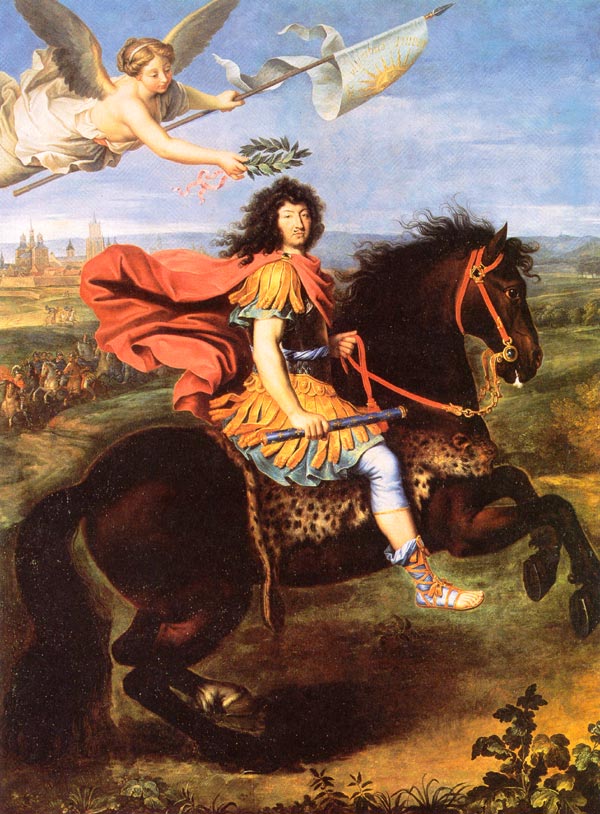
In this webquest you will be formulating a strong understanding of the concept of absolutism and the critical attributes that make up its definition. By fully understanding the age of absolutism you will be able to comprehend the revolutions that will take place in the future and the emergence of the modern European states including France, Spain, Prussiaa & Russia. You will also find the opportunity to compare and contrast absolutism to totalitarianism and dictatorships.
Task
Welcome to Understanding Absolutism. This is not your typical webquest, rather a paperless assignment. There are 5 tasks that you will complete during your journey to understand this important type of political system. Those tasks are listed below. You will also need a graphic organizer. You can find it as a word document at this link:
Task 1 - The Painting
Task 2 - The Concept
Task 3 - The Examples
Task 4 - HOMEWORK - Additional Examples - Student discovered
Task 5 - Contemporary
Task 1 - The Painting:
On a separate sheet of paper, which will be turned in, answer the following questions about the painting. They don't have to be long answers just correct. You have 7 minutes.
1. Who is this in the painting? If you don't know specifically - tell me what you can about this person.
2. What do you think is going on in the painting? Take note of the background.
3. What is the message of the painting? For example, why did the author paint this?
STOP
Task 2: Concepts. You will read the following four examples. After you read each example, go to your blank chart and fill it out. For example, read #1 and then answer all four questions on your chart for concept example #1. Once you are done, go on to #2 and repeat until you are finished with the 4 examples.
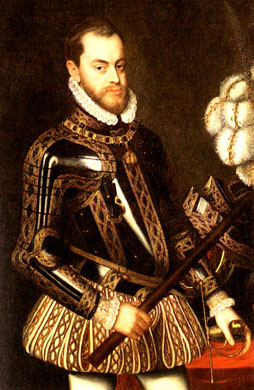
King Phillip II of Spain: Like King Ferdinand and Queen Isabella before him, Phillip II centralized royal power, making all parts of the government responsible to him. He had complete authority over the government and the lives of the people during his reign from 1565-1598. He believed that his authority to rule came directly from God. As a result he saw himself as the guardian of the Catholic Church and made it his personal responsibility to defend the Catholic Reformation. He used his control of the Spanish army and navy to impose the Inquisition against Protestants and heretics. Without representation, the small middle class was heavily taxed by Phillip to find his wars and build his Armada.
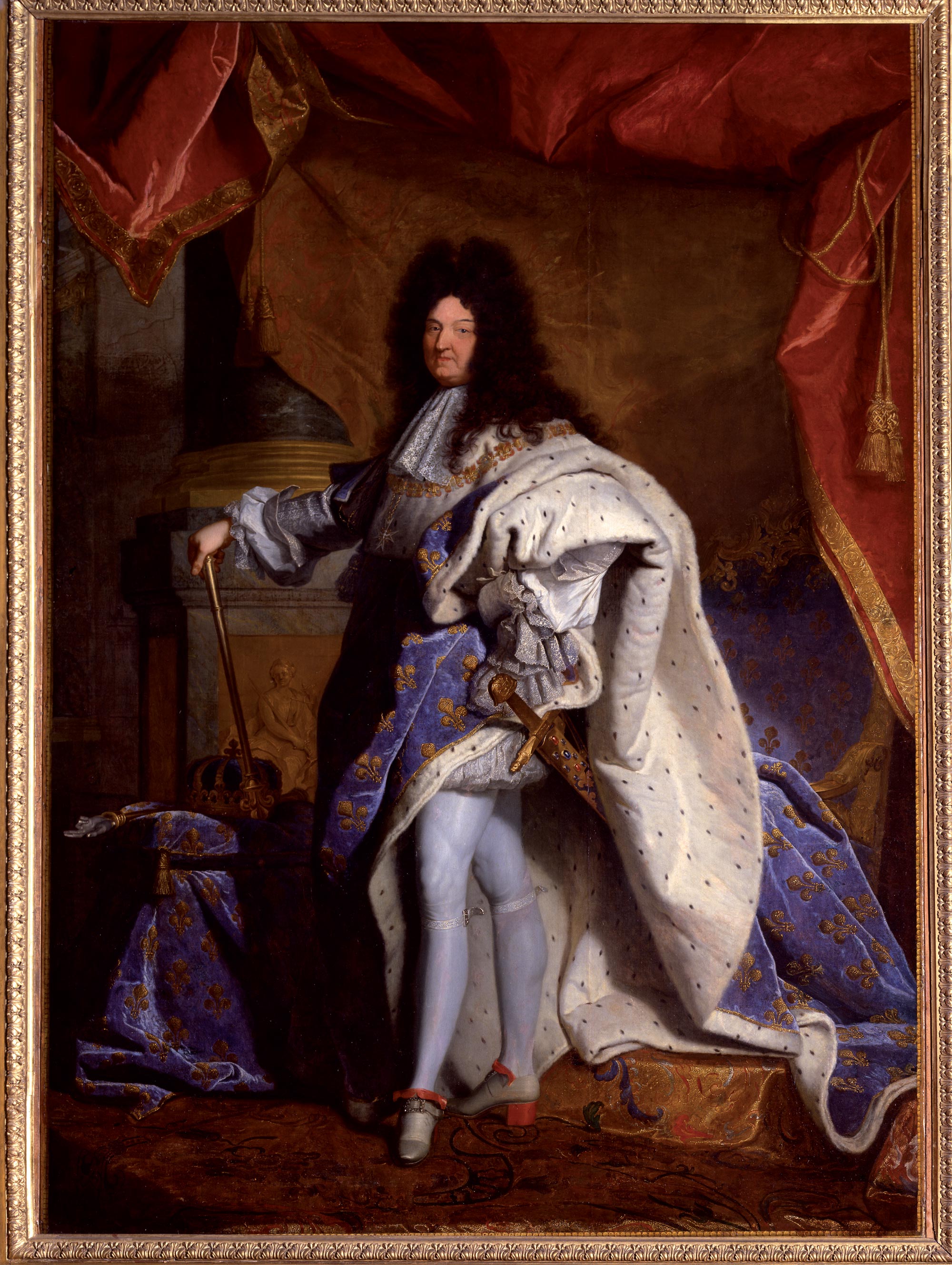
Louis XIV of France: "L'etat, c'est moi" "I am the state," said Louis XIV of France. He believed that he was the only one responsible for governing France when he ruled from 1643 to 1715. A tutor to his son once said, "As God's representative on Earth, the king was entitled to unquestioning obedience. Louis reigned from the most magnificent building in Europe, the palace of Versailles. Full of the finest paintings, statues, chandeliers and mirrors, and surrounded by millions of flowers and plants, Versailles was the perfect symbol of Louis' wealth and power. During his 72 year reign, the Estates General, the legislative body of France, never met once. Without opposition, he revoked the Edict of Nantes and taxed his people in order to wage costly wars against the Dutch and English.
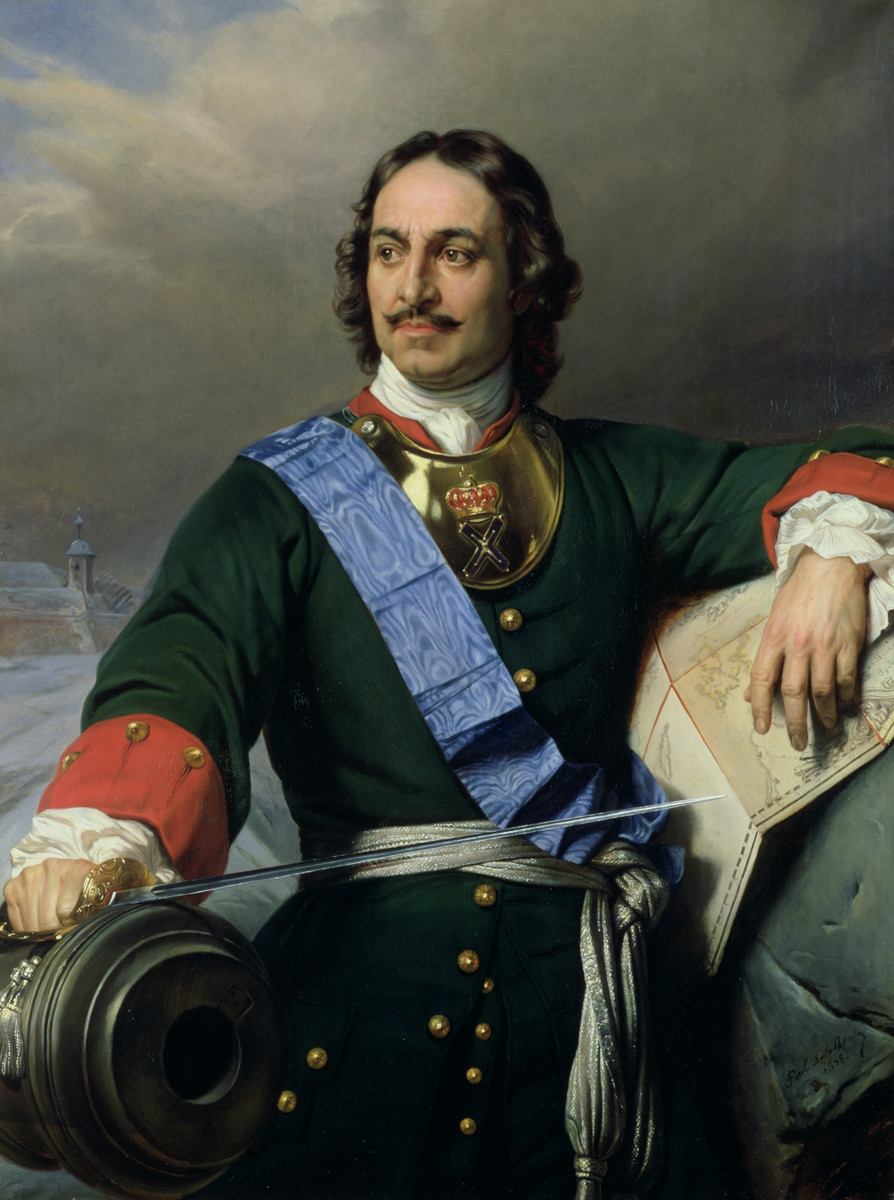
Peter the Great: After a journey to Western Europe, Peter the Great decided to modernize Russia. To impose his will he became the most autocratic of Europe's monarchs, believing that his right to rule as Tsar came from God. He centralized his power and brought all Russians under his control, including the Russian Orthodox Church. Peter forced the most powerful nobles, known as boyars to serve in either the military or state government. Peasants and serfs were required to become soldiers or work on roads, canals, and other government projects. He improved the technology, education and the military of Russia, but in the process tortured and executed thousands of people who challenged his power from 1682 to 1725.
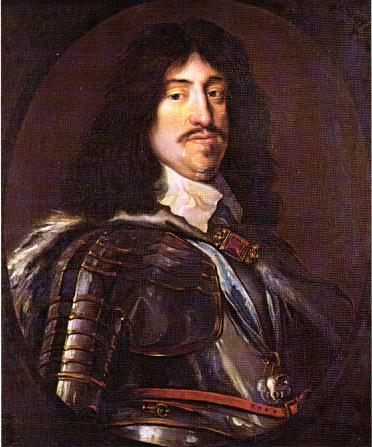
Frederick III of Denmark & Norway: According to the 1665 Kongeloven (King's Law), the monarch of Norway "shall from this day forward be revered and considered the most perfect and supreme person on the Earth by all his subjects, standing above all human laws and having no judge above his person, neither in spiritual nor temporal (secular) matters, except God alone." After abolishing the legislative branch known as the Rigsraadet, the king was the only person in charge of the country's affairs, Frederick III ignored the advice of his nobles and controlled the government and military on his own.
STOP
Task 3: Examples: Read the following four examples below and decide whether or not they are examples of the concept we are studying. Make sure to use the critical attributes and definition of the concept to test the examples. On the back side of the chart write either yes or no. Either answer will require evidence to support your conclusion. You will have 35 minutes.
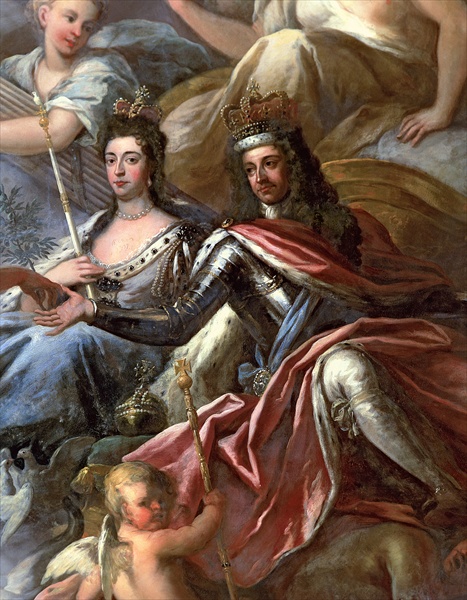
William & Mary of England: In 1689 King William and Queen Mary became the monarchs of England. Before they were crowned, they accepted the English Bill of Rights which required the monarchy to work with Parliament to government the country. The Monarchs were required to regularly call on Parliament to meet and lost their power to suspend laws. The responsibility of coordinating the country's finances and power to tax were given to the lower house of Parliament, known as the house of Commons.
China: according to the Mandate from Heaven, the right to rule China is granted by Heaven. The Chinese believed that since there was only one Heaven, there could be only one ruler. Chinese emperors that were part of the Han dynasty referred to themselves as Sons of Heaven, and commanded respect from all their their subjects. Chinese law dictated that the emperor's position cold not be challenged by anyone. Emperors handpicked governors and officials in order to centralize their authority and spread their power. Each emperor served as head of state and commander of the army. They chose whether or not to listen to advisors but had no legislative body to monitor imperial power or prevent abuse.
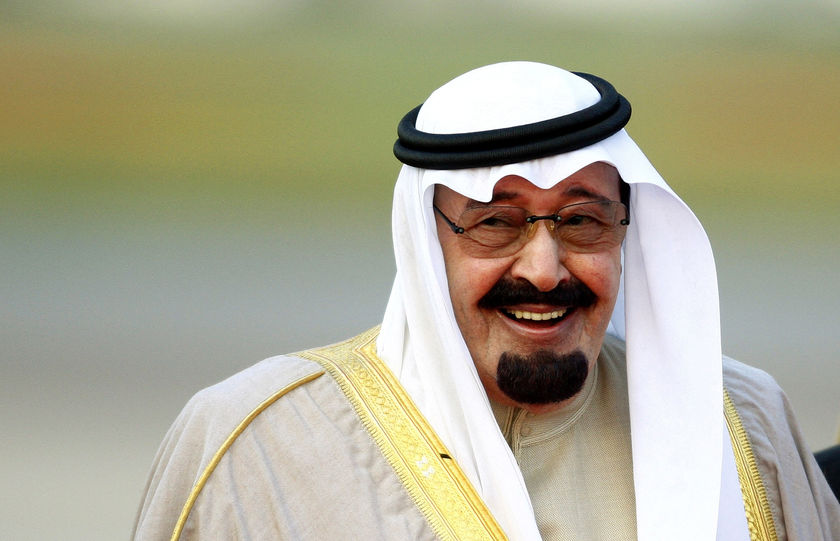
Saudi Arabia: Saudia Abrabia contains one of the last remaining monarchies in the world today. Monarchs are chosen by members of the royal family and approved by Muslim legal scholars in accordance to the Qur'an and Shari'ah (Islamic law). State issues are decided by King Abdullah, along with the Council of Ministers and Consultative Council. With no elections or political parties, it is up to the king to appoint and dismiss members of both councils. At any time the king can choose to dissolve both government bodies. The Council of Ministers is responsible for internal, external, financial, economic, educational, and defense policies, but the king maintains final authority over all state affairs.
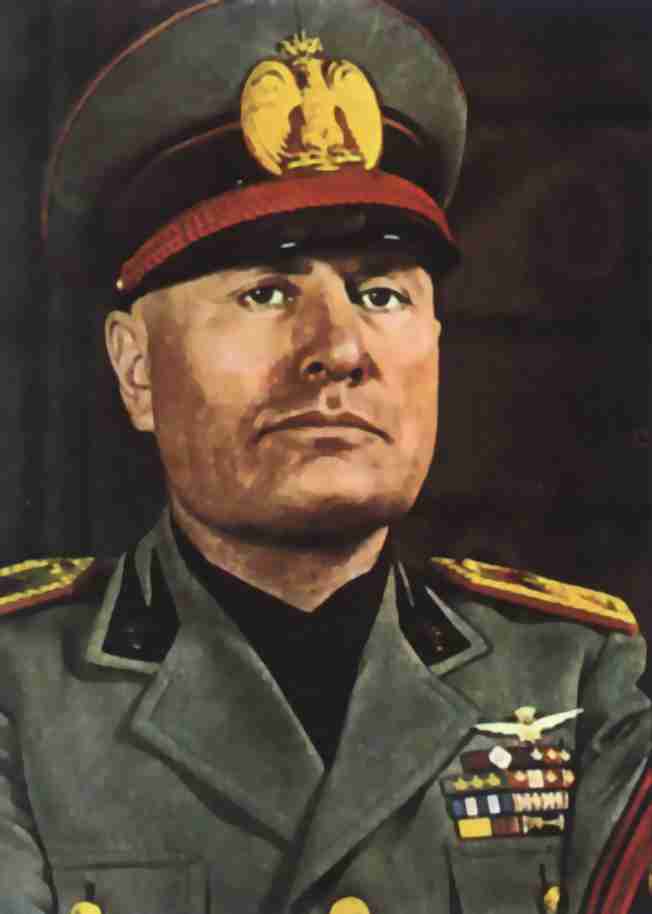
Benito Mussolini: In 1922, Benito Mussolini became Prime Minister of Italy. Within several years Mussolini eliminated all conventional and constitutional restraints on his power. In 1928 he outlawed political parties and abolished parliamentary elections. Through his complete control of the military and a massive campaign of propaganda, Mussolini was able to subjugate the minds of the Italian people and create a fascist state. He eventually became dictator of Italy and gained complete control of the Italian government.
Task 4 - HOMEWORK - Additional Examples - Student Discovery You will do some basic research for 2 additional absolute rulers not covered in the 8 examples above. You will create a mini-bio of your individual to present to the class. This should include:
a) picture of your person
b) country of origin
c) what made them absolute
d) were they successful as an absolute ruler
e) what was life like under their rule
TASK 5 - Contemporary
Read the following piece about Mswati III of Swaziland. His story takes place in 2008. Fill out the matrix for Mswati the same as you did for the other examples.
Mswati III, King of Swaziland
Excerpts from the New York Times, September 5, 2008
Mswati III is the king of Swaziland, a land of mountainous splendor near the southern tip of Africa. He is famed for extravagant spending that contrasts sharply with his country’s widespread poverty.
Mswati III has taken 13 brides; each has received a palace and a new BMW. The king’s salary is more than $30 million dollars and he invests in sugar cane, commercial property and a newspaper.. Forbes.com recently listed Mswati III as the world’s 15th wealthiest monarch, estimating his fortune at $200 million.
Swazis have enjoyed decades of peace and are rightfully proud of their culture. But poverty has entrapped 2/3rds of the people, leaving hundreds of thousands of them malnourished. The country has one of the worst rates of HIV infection in the world. Life expectancy has fallen from 60 years in 1997 to barely half that now. Nearly a 1/3rd of all children have lost a parent.
Most of Swaziland’s 1.1 million people love their monarch. God gave the country to the king, many of them say, and the king was given to the people by God. Mswati III’s father, Sobhuza II, also liked to marry. It was said that he took 70 wives, though some put the number as high as 110. Sobhuza II was king when the nation became free from British colonialism. The country was left with a constitution but Sobhuza II did not abide by this document for long. In 1973, he dissolved Parliament and eliminated political parties.
In 2005, Mswati III signed a new constitution. It was a peculiar document, guaranteeing individual liberties with one hand and preserving the monarchy’s power with the other. The king would continue appoint the prime minister and members of the governing cabinet and the judiciary.
In the summer of 2008, frustration over the king’s extravagance increased over the scale of a giant festival, the 40-40 Celebration, so named to honor the king’s 40th birthday and the nation’s 40th year of independence. To prepare for the event, a new 15,000 seat stadium was built and a fleet of top-of-the-line BMW sedans was ordered for the comfort of visiting dignitaries. Some 1,500 citizens grumpily marched in protest through the capital after news reports said that several of the queens and their entourages had gone on an overseas shopping trip aboard a chartered plane.
www.nytimes.com/22008/09/06/world/africa/06king.html?pagewanted=2&_r=1&sq=Swaziland&st=cse&sep=2
Process
1. You will need the Concept/Example matrix and one clean sheet of paper.
2. This web assignment is in 3 parts - the painting; the concept and the examples. It is not a web quest. All reading assignments are provided in the task tab.
3. Task 1 - The painting - study the painting and answer the 3 questions on your blank sheet of paper.
4. Task 2 - The concept - this section of the assignment is to introduce you to the concept of absolutism. Read each monarch's segment and complete the corresponding blocks on the matrix.
5. Task 3 - The examples - look at the segments about additional rulers and determine if they are absolute or not - remember to cite your evidence. Fill in the back of the matrix
Teacher Page
Used to be a paper/pencil assignment only. But going paperless here, other than the matrix & one sheet of paper.
History Standard 1a - analyze historical materials to trace the development of an idea or trend across space or over a prolonged period of tim e in order to explain patterns of historical continuity and change.
Students will be able to fully understand and explain the components of absolutism and relate them to the more modern concepts of authoritarianism, totalitarianism and communism.
Mswati III, King of Swaziland
Mswati III, King of Swaziland
Excerpts from the New York Times, September 5, 2008
Mswati III is the king of Swaziland, a land of mountainous splendor near the southern tip of Africa. He is famed for extravagant spending that contrasts sharply with his country’s widespread poverty.
Mswati III has taken 13 brides; each has received a palace and a new BMW. The king’s salary is more than $30 million dollars and he invests in sugar cane, commercial property and a newspaper.. Forbes.com recently listed Mswati III as the world’s 15th wealthiest monarch, estimating his fortune at $200 million.
Swazis have enjoyed decades of peace and are rightfully proud of their culture. But poverty has entrapped 2/3rds of the people, leaving hundreds of thousands of them malnourished. The country has one of the worst rates of HIV infection in the world. Life expectancy has fallen from 60 years in 1997 to barely half that now. Nearly a 1/3rd of all children have lost a parent.
Most of Swaziland’s 1.1 million people love their monarch. Gove gave the country to the king, many of them say, and the king was given to the people by God. Mswati III’s father, Sobhuza II, also liked to marry. It was said that he took 70 wives, though some put the number as high as 110. Sobhuza II was king when the nation became free from British colonialism. The country was left with a constitution but Sobhuza II did not abide by this document for long. In 1973, he dissolved Parliament and eliminated political parties.
In 2005, Mswati III signed a new constitution. It was a peculiar document, guaranteeing individual liberties with one hand and preserving the monarchy’s power with the other. The king would continue appoint the prime minister and members of the governing cabinet and the judiciary.
In the summer of 2008, frustration over the king’s extravagance increased over the scale of a giant festival, the 40-40 Celebration, so named to honor the king’s 40th birthday and the nation’s 40th year of independence. To prepare for the event, a new 15,000 seat stadium was built and a fleet of top-of-the-line BMW sedans was ordered for the comfort of visiting dignitaries. Some 1,500 citizens grumpily marched in protest through the capital after news reports said that several of the queens and their entourages had gone on an overseas shopping trip aboard a chartered plane.
www.nytimes.com/22008/09/06/world/africa/06king.html?pagewanted=2&_r=1&sq=Swaziland&st=cse&sep=2
Worksheet/Matrix for Concepts & Examples
Absolutism – The Examples
Example: | Absolute? | Evidence: |
William & Mary |
|
|
China |
|
|
Saudi Arabia |
|
|
Mussolini |
|
|
Mswati III |
|
|
Absolutism – Concept Assignment
Concept example | Who rules the country? | What power(s) do they have? | Where does their power come from? | Are there any checks or balances to their rule? |
1 |
|
|
|
|
2 |
|
|
|
|
3 |
|
|
|
|
4 |
|
|
|
|