Introduction
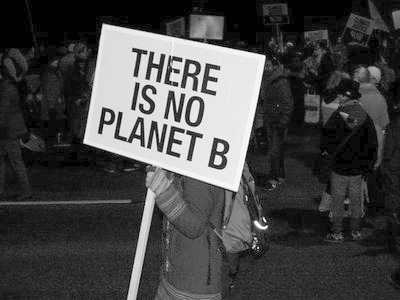
Our world is always changing. Look out your window long enough, and you might see the weather change. Look even longer, and you'll see the seasons change. The Earth's climate is changing, too, but in ways that you can't easily see. But what is causing this climate change and what are the conseque
nces for people and the environment?
Let's find out together!
Task
You have 40 minutes to complete the following task.
- You are divided into groups of 3 pupils.
- Each group is given a specific sign of climate change:
1. rising temperatures
2. wilder weather
3. melting glaciers
4. warmer oceans
5. rising sea levels
- As a team, you will use the 'Student's Guide to Global Climate Change' website (http://www.epa.gov/climatestudents/index.html) to investigate climate change and global warming.
- You will investigate your topic thoroughly as a group using the worksheet.
- When you are ready with your initial investigation you will create a powerpoint presentation to explain your given topic to your classmates.
- During the presentations of the other groups you will try to fill in the questions from the other groups.
Good luck!
Process
Click on the following link to explore the Student's guide to global climate change website:
http://www.epa.gov/climatestudents/index.html
Part 1: (15-20 minutes)
Answer the questions on your hand-out to gather basic information that is needed by all groups before you begin investigating your specific topic. You should try to complete this part of the exercise in about 15-20 minutes so that you have enough time left to prepare the second part of the task.
1. Before you begin your investigation of the changing climate, you should be aware of the differences between “climate” and “weather".
Answer question 1 on the H-O.
2. The Earth's climate has changed many times before but this time around, it is different. Answer question 2 on the H-O.
3. 'The emission of Carbon dioxide (CO2) may have something to do with recent changes in the climate'. Look up a good definition of the word 'emission' by using one of the following online dictionaries and write the answer on the hand-out (question 3).
http://www.learnersdictionary.com/
4. Now learn more about CO2 and other greenhouse gases in the Greenhouse effect section of the Student's guide to global climate change website (http://www.epa.gov/climatestudents/basics/today/index.html).
First watch the video about the greenhouse effect and answer question 54on the hand-out.
Now that you understand the workings of the Greenhouse effect, try to answer question 5 on the hand-out as well.
Part 2: (20-25 minutes)
Now go to the 'Signs of Climate change' section of the website (http://www.epa.gov/climatestudents/impacts/signs/index.html) to learn more about the specific sign of climate change that was appointed to your group. Answer question 6 on the hand-out and use them as a base for your presentation.
Evaluation
After your initial investigation of the topic you were given you will give a short presentation based on the questions on the hand-out. Since there are 3 questions on the hand-out, each member should present the answer to one question to the rest of the class. The overall presentation will be no longer than 3 minutes and you will make sure that your classmates are able to answer the questions based on your presentation of the topic. You can use your PPT as a guideline for your presentation but keep the following tips in mind:
- do not include too much information on the slides
- make your presentation visually attractive by using relevant images but keep it clear so that your classmates are able to read the information that they need to answer the questions
- try to use the PPT as a guideline during your presentation without literally reading out what is on the screen

Conclusion
Congratualtions, you have succesfully completed this webquest! Thank you for participating in this Climate Change webquest. You should now be more aware about the different signs and consequences of Climate Change and we hope that this might encourage you to take better care of the Earth!
If you want some more information about how you can be part of the solution you can click on the following link:
http://www.epa.gov/climatestudents/solutions/index.html