
Introduction

An architect is building a garden store for a client, but he needs your help. The client has placed a time frame on his development and he fears he will not be able to complete it ontime. He procrastinated but does not want to miss this opportunity to show what he can do. He needs to create a house with two rooms, one for sales and one for decoration, a garden behind the house to grow the plants and vegetables, and a parking lot for the guests. All this must be done now! Can you help him?
Task
In this activity, you will be divided into construction teams. Your team will choose which part of the shop you wish to work on. After diciding on what to construct, your team will design and construct one of the four parts of the construction needed to complete the client's garden shop. After this has been completed, the team will present their idea for the portion of the shop they created to the class showing all mathematical processes, visual design, and the process of what the team did. 
Process
Part 1:
As a team, choose which part of the construction you wish to construct from the list below:
Room 1: The Shop Room
The client wants a rectangular room with an area of 2000 ft2. The height of the room wil be 10 ft with one wall having floor to ceiling shelving. She wants a front door with a width of at least 5 ft and a height of at least 7 ft and a second door to enter the decoration room that is the same as the front door, but on a different wall. There needs to be at least 2 windows measuring at least 3 ft in width and a height of no more than 8 ft. The one wall for shelving should only have shelving, no door or window. When making the design to present, make sure to show how plants and vegetables could be displayed and the maximizing of the space.
Room 2: The Decoration Room
The client wants a square room with an area of 2500 ft2. The height of the room will also be 10 ft. There should be 2 doors, one for entrance into the shop room and another for enterance into the garden. The doors should have the same measurement of a width of at least 5 ft and a height of at least 7 ft. On one wall should be a stand up freezer measuring 8 ft x 6 ft to house floral decorations and vegetables that need to remained chilled. There needs to be at least 2 windows measuring at least 3 ft in width and a height of no more than 8 ft. On one wall should also be a desk/table used for making flower arrangements to measure at least 5 ft along the wall, no more than 4.5 ft tall, and coming out from the wall no further than 4 ft. When making the design to present to the client, make sure to incorporate how he/she would use the different parts of the room in visual presentation form.
The Garden
The client wants 2 beds for their garden, one rectangular and one square. The rectangular bed should have an area of 1200 ft2. This bed will grow vegetables. You will need to decide what vegetables and how many of them would fit into the bed based on the size needed for them to grow. Below is a link to vegetables and space needed to grow:
The square bed shoud have an area of 1000 ft2. This bed will house different flowers. You will also need to decide what flowers could be planted and how many of them would fit in the bed based on the space they need to grow. Below is a link to different flowers and the space needed to grow them:
The display of the garden should visually represent the different vegetables and flowers you wish to grow.
The Parking Lot
The client wants the parking lot to be L-shaped. A standard parking pace has the dimensions of 9 ft x 18 ft. Within the L-shape, the client wants to be able to fot 10 cars, with 2 extra spaces for hanicapped parking. Handicapped parking must also have space on either side of it measuring 5 ft for accessibility. The parking lot cannot exceed 2000 ft2.
With the parking lot, your team should construct a sign for the client's shop. The sign must have an area of 36 ft2. Create an name and design for the sign to present to the client along with the parking lot display.
Part 2:
Assign each studentt in your group one of the following "jobs" of either architect, artist, or presenter based on the followind descriptions:
Architect: decides the dimensions and specifications of the space; helps create the basic layout of the space with the numerical represetations of everything assigned to the space
Artist: creates the final draft of what will be presented to the client. This student will incorporate all aspects the designer has assigned and create a visual representation of the space.
Producer: presents the process of creating the space to the client along with the visual representation
Part 3:
Within each 'job', students will be instructed to:
Architect: using mathematics, create the space with the given specifications. Examples provided below:
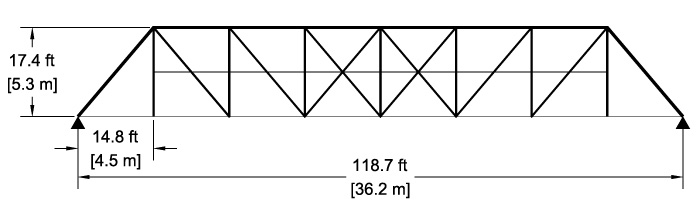
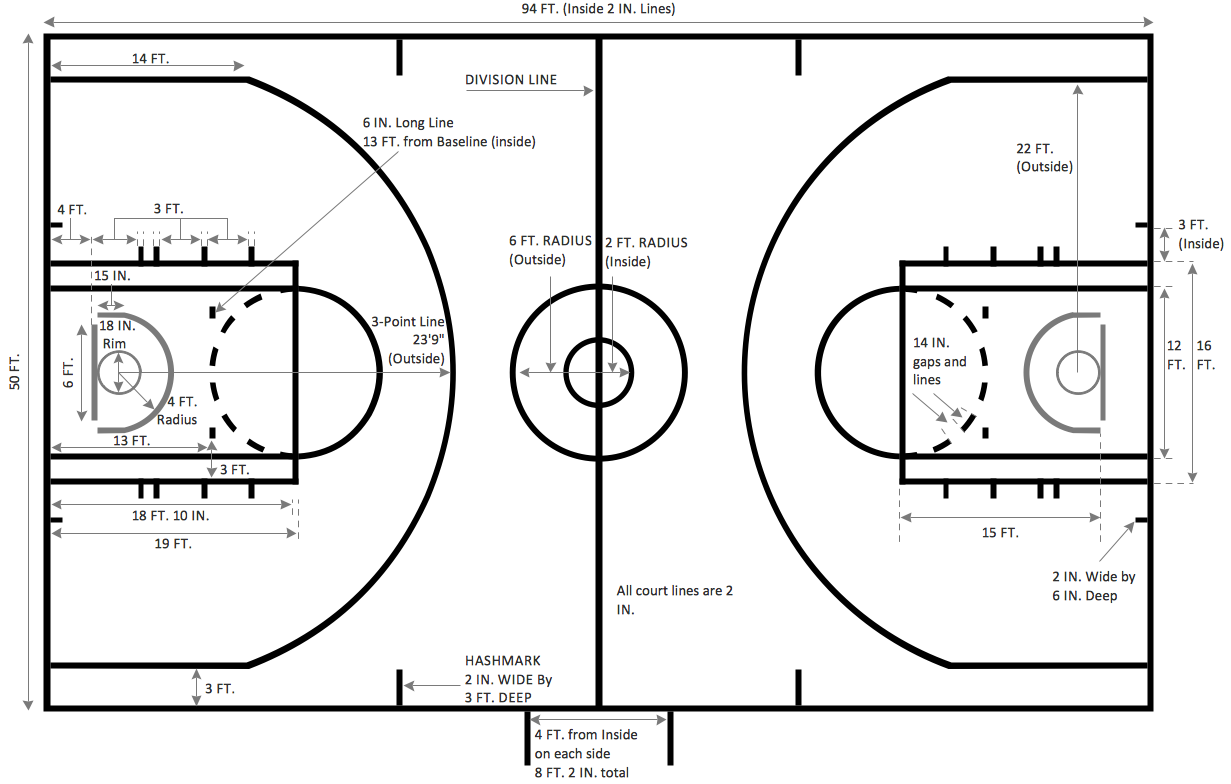
Note: the blueprints do not have to be completed by hand, it can be done using a computer program
Artist: create a visual representation of the space chosen. This should include, but not be limited too, color, layout, plant life, signs, stations, etc. Dimensions must be included in visual presentation. Examples are listed below:


Note: the visual representation does not have to be completed by hand, it can be done using a computer program
Presenter: present the blueprints and visual representation to the class and describe the process taken to complete the task.
Evaluation
For this WebQuest you will receive one formative assessment to be completed by your peers based our your work with the team. This rubric is below:
|
|
4 points |
3 points |
2 points |
1 point |
0 points |
|
Preparedness |
Group member ALWAYS brought needed materials and did any work needed outside of class |
Group member ALMOST ALWAYS brought needed materials and did any work needed outside of class |
Group member EITHER brought needed materials OR did any work needed outside of class |
Group member ALMOST NEVER brought needed materials and did any work needed outside of class |
Group member NEVER brought needed materials and did any work needed outside of class |
|
Focus on the Task |
Group member ALWAYS focused on the task and never distracted from group progress |
Group member ALMOST ALWAYS focused on the task and never distracted from group progress |
Group member SOMETIMES focused on the task and never distracted from group progress |
Group member ALMOST NEVER focused on the task and never distracted from group progress |
Group member NEVER focused on the task and never distracted from group progress |
|
Working Together |
Group member ALWAYS worked well with other group members |
Group member ALMOST ALWAYS worked well with other group members |
Group member SOMETIMES worked well with other group members |
Group member ALMOST NEVER worked well with other group members |
Group member NEVER worked well with other group members |
You will also receive one summative assessment evaluating the content and presentation of the space your team created. This rubric is below:
|
|
4 points |
3 points |
2 points |
1 point |
0 points |
|
Accuracy/Content Knowledge |
All information/content appears to be accurate |
Almost all information/content appears to be accurate |
Most information/content appears to be accurate |
Some information/content appears to be accurate |
No information/content appears to be accurate |
|
Required elements (x 2) |
All required elements are present (i.e. blueprints with dimensions, final visual representation with dimensions, process is described) |
Almost all required elements are present (i.e. blueprints with dimensions, final visual representation with dimensions, process is described) |
Most required elements are present (i.e. blueprints with dimensions, final visual representation with dimensions, process is described) |
Some required elements are present (i.e. blueprints with dimensions, final visual representation with dimensions, process is described) |
No required elements are present (i.e. blueprints with dimensions, final visual representation with dimensions, process is described) |
|
Comprehension |
Student is able to accurately answer almost all questions posed by classmates and teacher about the topic. |
Student is able to accurately answer most questions posed by classmates and teacher about the topic. |
Student is able to accurately answer a couple questions posed by classmates and teacher about the topic. |
Student is able to accurately answer one question posed by classmates and teacher about the topic. |
Student is able to accurately answer no questions posed by classmates and teacher about the topic. |
|
Group Work |
The group was almost always on task and worked well together, helping each other with each portion of the project. |
The group was sometimes on task and worked well together, helping each other with each portion of the project. |
The group was almost never on task and/or worked well together, helping each other with each portion of the project. |
The group was never on task OR did not work well together, helping each other with each portion of the project. |
The group was never on task AND did not work well together, helping each other with each portion of the project. |
|
Final Project (x 2) |
The final product is exceptional in regards to meeting the project instructions and expectations. |
The final product is very good in regards to meeting the project instructions and expectations. |
The final product is good in regards to meeting the project instructions and expectations. |
The final product barely reflects the project instructions and expectations. |
The final product does not reflect the project instructions and expectations. |
|
Attractiveness |
The blue prints and visual representation are exceptionally attractive in terms of color, design, layout, neatness and overall presentation. |
The blue prints and visual representation are attractive in terms of color, design, layout, neatness and overall presentation. |
The blue prints and visual representation are acceptible attractive in terms of color, design, layout, neatness and overall presentation. |
The blue prints and visual representation lack attractiveness in terms of color, design, layout, neatness and overall presentation. The blueprints or visual representation are not complete. |
The blue prints and visual representation are not complete with no components of attractiveness present. |
Conclusion
Great Job! The architect was able to complete the project and got rave reviews all thanks to your help! Because of how amazing all your visual reprsentations were the client has decided to open up more stores using everyones layouts. After the shop was built, the architect was asked to build 3 more buildings. He has learned to not procrastinate, but looks forward to getting your help in the future. You are well on your way to creating and building your own constructions in the future!
Finally, please give feedback to the creator of the WebQuest by going to the link below and taking the survey.