
Introduction
Corinthian Tucker
EED 465 Benchmark
Professor Bodeman
[video:https://www.youtube.com/watch?v=vSkiXFHHI6Q autoplay:1]
(Chaves, 2014)
Back Ground Information:
Geography is the study of Earth’s inhabitants, physical features, and environments.
Geography explains the social sciences with physical geography bridged collectively. Understanding the dynamics of societal constructs and physical geography is centered on the physical landscapes of the environment.
Geography places understanding within the context of geographical places which distinguishes the spectrum in how cultures across the world function. Newer developments are allowing the study of other cultures to help improve others social menchanism in human geography.
Students in the 3rd grade are taught an ideal framework for relating other fields of the planet. The 7 continents is an initial start to compartmentalizing this massive planet for studying the Earth's landscapes and environments.
Geography is a subject that will continue to increase in value as students learn the importance of nurturing the planet as a whole. Learning about verdant lands in geography through technology, field trips, and books helps us all to be more socially and environmentally sensitive to the natitivity of neighboring cultures.
Task
Globe Trotting Monday
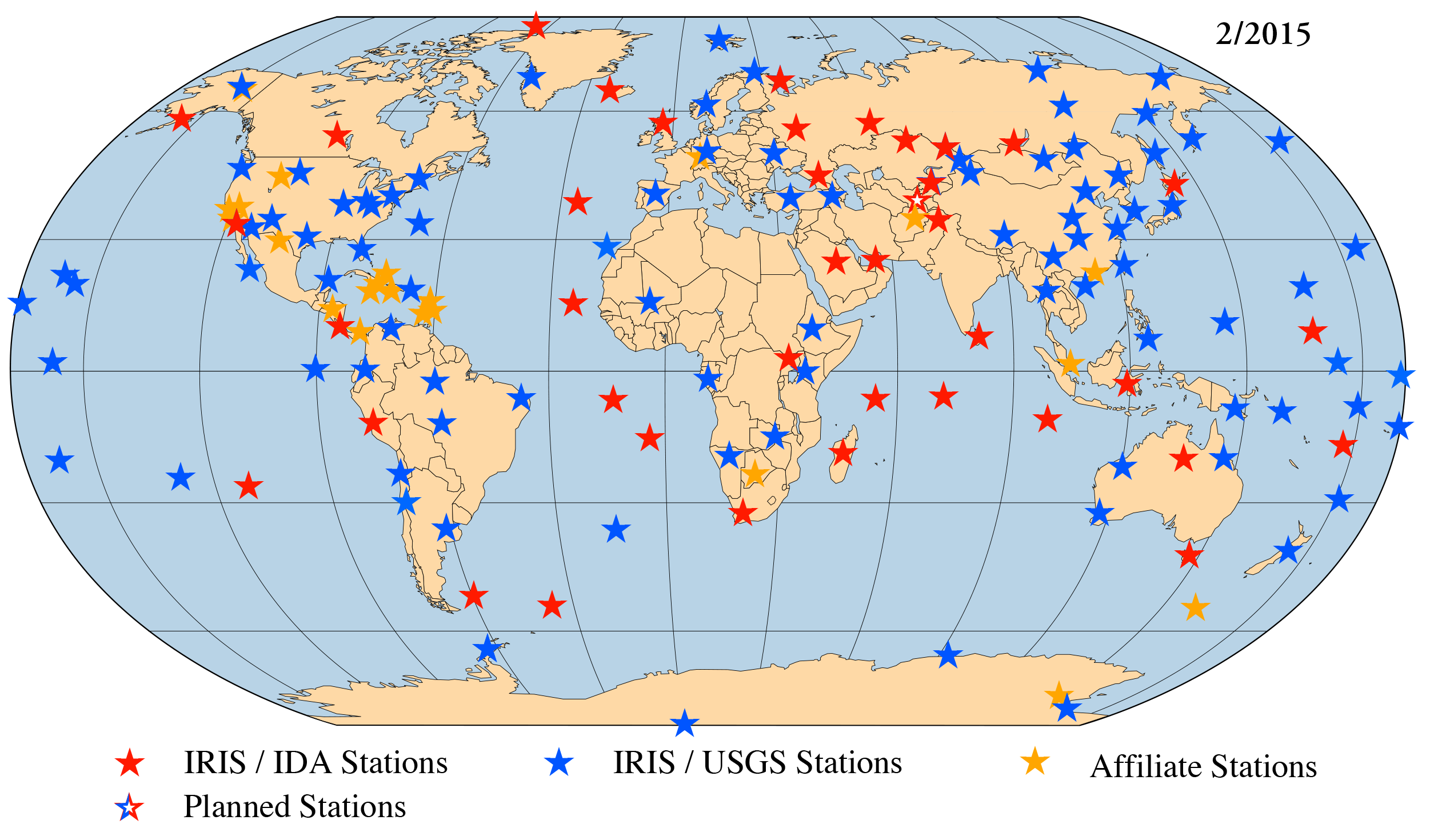
On Monday Students will become familiar with a globe. They will point out verdant georgraphical landmarks using star stickers as bulletin points for grid and location marks.
The materials necessary for this assignment is:
Pencil, Paper, personal paper map, Kilometer measuring line, stickers, and National Geographics Magazines. By the end of the school week students will have discovered a place on the globe that is flourishing. As a group they will explain more in depth about the location they have chosen.
A few strategies to integrating Language Arts is to have students look at the pictures and explain the geographical content. Example: What type of flower is on the cover page and what colors are vividly present?
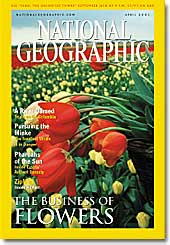 A new concept to teaching applicable vocabulary is to address the imporantance of similies. Students are to learn the word verdant and provide the definition of other given words. Those words are bloom, garden, flourish, flowery, fruitful, colorful, and vegetation. These seven definitions are to be written out in stored in the pupils daily assignment journals.
To have a better flow of the hands on learning experience students will work in groups. After finding pictures that match their definitions using magazines they are to place stickers in the places where the magazines indicates the location of the photograph. Some stickers will be places on different continents while some will be placed in their homeland.
To ensure all groups are learning different groups will perform different activities regarding learning the bountifulness of verdant georgraphy. One station will be reading and writing definitions. Another station will be choosing pictures from magazines and tearing them out for further research. Another group will be filling in their maps at the proper grid points according to the research provided from the pictures.
Tactful Tuesday
By Tuesday students will have more information about what verdant lands look like and where they can be found on their maps. To continue this assessment successfully the 3rd graders will narrow down their search to a particular place on the map. Each group will agree on a botanical location and share a few points about the location.
Wonderful Wednesday
On Wednesday students will have a chance to color and decorate their maps. A small quiz will be gifted out to see how well students understand their 7 vocabulary words. The following day students are to bring in some tangible examples of their definitions. It can be a flower, a fruit, a vegtable, a painting, or some form of attire that reflects verdant geography.
Thriving Thursday
On Thursday all groups will come together again and they will share collectively their tangible examples. This is a time where students can discuss and commune amongst each other what they have learned. If the class behavior is good, they will be given the pleasure of going to a playing area to play, sing, or draw. It can be the gym, the playgorund, or the open field by the classrrom.
Fun Friday
Students will have a chance to be children and acknowledge the meaning of respecting themselves and their classmates in class and outside the class setting.
Process
Click on the link below to better understand how students will be completing the process of finding verdant lands
http://imgur.com/r/GODUS/ZxX3a0k
This Process is simply to help visual learners get acclimated to understanding the instructions.
It's a simple and effective process however students must be able to listen and provide necessary feedback.
1. Show visuals of the definition verdant.
2. Show synonyms that compliment verdant Geography
3. Explain to students the photographs
4. Have students by show of hands point out what verdant pictures look like.
5. Assist students with choosing appropriate land marks
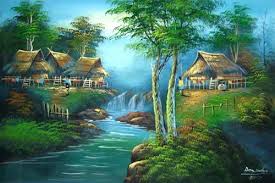
6. Students are to name the elements that gives verdant quality. (Clean Water)
7. What type of foods can grow in tropical climate? (Fruit)
8. Explain one difference in comparion and similarity to flowers, fruit, and vegtables. (They all can grow from trees) (Each one has different size seeds)
Evaluation
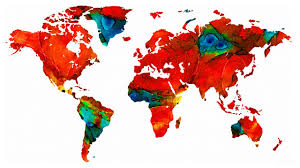
Maps are to be completed with color and stickers of where verdant locations are on the globe.
The map is how students will be evaluated. As they add more color and find geographical points that are verdant. The more stickers they are able to place the better their participation scores. Their will be enough magazines where students can gather and learn about a numerous of geographical spots and they will also have their classmates to combine other locations. This is simply to familiarize pupils with the 7 continents and distinguish which continent has fertile lands.
Conclusion
Once students get to this stage they will have gathered enough information, visuals, and definitions to know the benefits of having verdant land. Each student will also be given the space to discuss and share their insights on such landscapes. Some kids will prefer the country side with a mass arena of vegeatation while others may prefer the surburban life with vegetation in yards and stores. Either way students will have a commonality that will allow them focus on what brings them together as a society on a geographical playing field.
Credits
http://www.rgs.org/geographytoday/what+is+geography.htm
https://www.youtube.com/watch?v=vSkiXFHHI6Q
HELFENBEIN, R., & CLAUSER-ROEMER, K. (2008). What Maps Try to Teach Us. Theory & Research In Social Education, 36(4), 447-452.
Teacher Page
Teachers are to have a worksheet with these questions
How Many continents are there?
What two colors put together make green?
What is a garden?
Can a fruit have more than one seed once it is ripe?
What Continents are known for there Tropical landscapes?
Draw an example in the box that match the words.
| Water | Sunlight |
| Soil | Seed |
[img_assist|nid=27716|title=Garden|desc=|link=none|align=left|width=415|height=224]
Match the picture with the word.
Students are to be able to read and spell each word.
The Word are:
Flower
Leaf
Seed
Shovel
Sprout
This teachers page helps compartmentalize the different learning styles necessary for each student to learn Verdant Geography on a 3rd grade level.
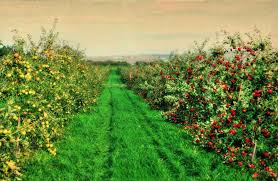
Here is a photo that can bring the whole of this assignment to a botantical scenario of geography and social science.
[img_assist|nid=27717|title=Verdant Earth|desc=|link=none|align=left|width=333|height=443]