
Introduction
By: Michelle L Artiaga Grand Canyon University
Introduction
The great Depression was a very difficult period in US History. Students will learn about the Great Depression and examine the affects the events of this time period on: US History, World History, Government/Civics, Economics and Geograpy.
This webquest will include eachof the Social Studies Strands (one concept from each) and include 5 days with specific classroom activities/lessons.
Materials and resources will be provided and also include hands-on learning and vocabulary strategies.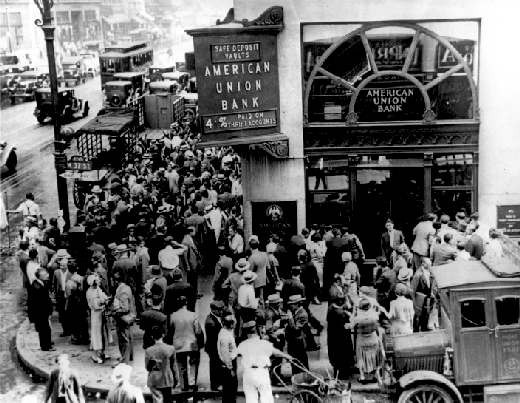
Task
There will be activities/lessons for each of the Social Studies strands for 5 days. There will be guidelines and information provided to help accomplish the individual tasks for each lesson.
Process
INTRODUCTION
In the 1930’s there was a terrible drought that began in the Great Plains. The dust bowl was a tremendous hardship during the depression era for many Americans. There were 14 dust storms of record in the year 1932, over thirty dust storms in 1933 and in 1937 there were 133. Between the severe drought and these dust storms, many people lost their homes and farms and could not pay their debts. They were forced to leave Texas, Oklahoma, Nebraska and Kansas.
Process
Day 1
Geography
Objective
Objective: Students will learn about the dust bowl and the lives of migratory farmers that moved west because of drought and poor economic times Where did they live? What was their life like?
Introduction
In the 1930’s the drought started in the great plains. In 1932 there were 14 dust storms. In 1933, there were 38. In 1937 there were 134 dust storms! These storms caused farmers to lose their farms and go bankrupt. They had to migrate and leave their lives behind to survive.
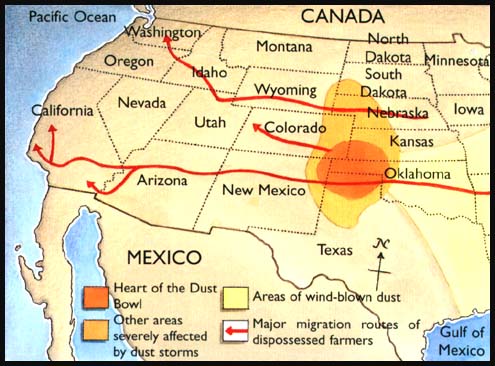
Use the map below to answer the following questions
Answer the following questions.
- Imagine that you are a farmer living in one of these areas so harshly affected by the dustbowl. Why would you want to leave? (Give three reasons).
- Where would you move? Why?(use the map to support your answers)
Examine the pictures below about the dustbowl and migratory famers. Look at their eyes, their faces and the surroundings. What kinds of things do you think they were feeling? After examining the pictures, answer the discussion questions that follow.
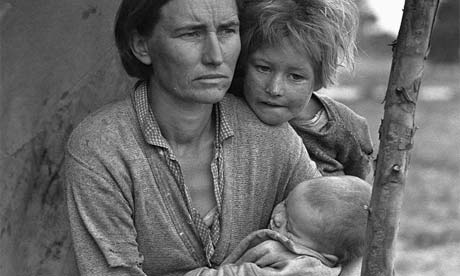
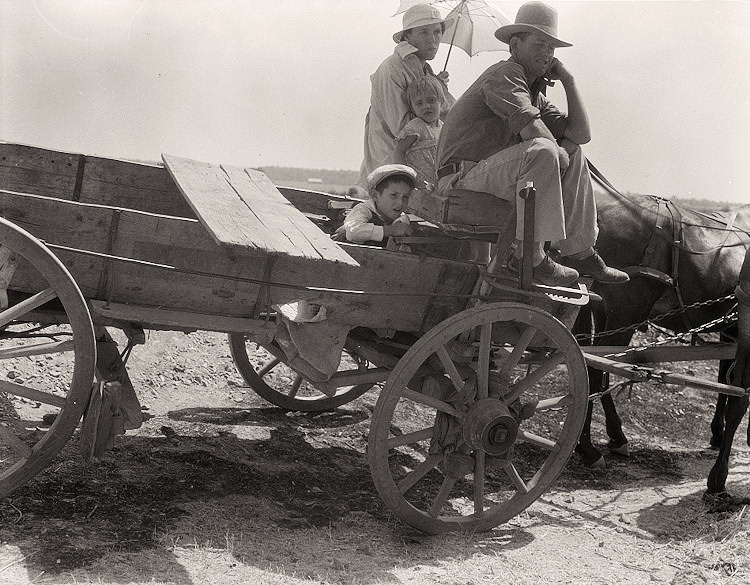
ASSESSMENT
Answer these questions:
1. What do you think the life was like for these people?
2. What do you think the biggest worries they had were?
Day 2
American History
Objective: Students will learn how President Roosevelt dealt with the Great Depression.Students will learn how the Depression affected Americans. The Students will examine life During the Depression life in the United States and how it was very difficult.
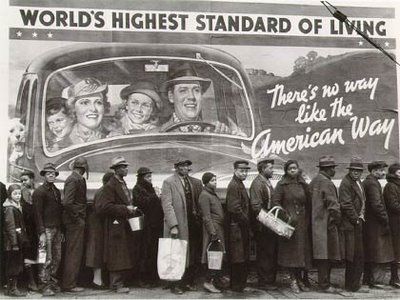
1. Key terms to define:
Great Depression
Dust Bowl
What are Okies
Assessment:
The song “ Big Rock Candy Mountain” was written about life in the Great Depression as seen by a man who could not find steady work and was looking for handouts (homeless or hobo). Read song lyrics then answer the discussion questions that follow.
Lyrics To “Big Rock Candy Mountain”
Oh the buzzin' of the bees in the cigarette trees
The soda water fountain where the lemonade springs
And the bluebird sings in that Big Rock Candy Mountain
On a summer day
In the month of May
A burly bum came ahiking
Down a shady lane
Through the sugar cane
He was looking for his liking
As he strolled along
He sang a song
Of the land of milk and honey
Where a bum can stay
For many a day
And he won't need any money
Oh the buzzin' of the bees in the cigarette trees
The soda water fountain where the lemonade springs
And the bluebird sings in that Big Rock Candy Mountain
In the Big Rock Candy Mountain
The cops have wooden legs
The bulldogs all have rubber teeth
And the hens lay soft-boiled eggs
The farmers' trees are full of fruit
The barns are full of hay
I want to go where there ain't no snow
Where the sleet don't fall and the wind don't blow
In that Big Rock Candy Mountain
There's a lake of gin
We can both jump in
And the handouts grow on bushes
In the new-mown hay
We can sleep all day
And the bars all have free lunches
Where the mail train stops
And there ain't no cops
And the folks are tender-hearted
Where you never change your socks
And you never throw rocks
And your hair is never parted
Oh the buzzin' of the bees in the cigarette trees
The soda water fountain where the lemonade springs
And the bluebird sings in that Big Rock Candy Mountain
Oh, a farmer and his son,
They were on the run
To the hay field they were bounding
Said the bum to the son,
"Why don't you come
To that big rock candy mountain?"
So the very next day
They hiked away,
The mileposts they were counting
But they never arrived
At the lemonade tide
On the big rock candy mountain
Discussion Questions:
Examine the lyrics and describe what you think this man’s life was like
How do you feel when you read these words?
1.Using the lyrics what do you think a hobo’s life was really like? Do you see the sarcasm in the lyrics?
2.How did you feel when you read these words? How does the song make you feel?
Day 3
Economics
Objective-Students will learn about FDR and the New Deal. The economics will be examined about this time period. They will also learn about the new deals impact on the great depression.
Introduction
When the stock marked failed and crashed it was 1929. The great Depression began. Roosevelt was elected in 1933. He designed and created the "New Deal" which was a solution for reform of the economic hard times in the United States.
Read about the New Deal and answer the discussion questions that follow.
http://www.history.com/topics/new-deal
1.What were Roosevelt’s economic policies?
2.What was the New Deal?
3.How did the New Deal help people affected by the Dust Bowl?
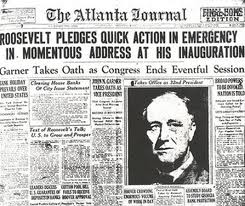
Question 1 Why did Roosevelt create the New Deal?
Question 2-How did Roosevelts plan affect the Great Depression (use internet, text sources to justify answers)
Day 4
Civics/Government
Objective: Students will learn how the three branches of government worked during the New Deal proposals of President Roosevelt.
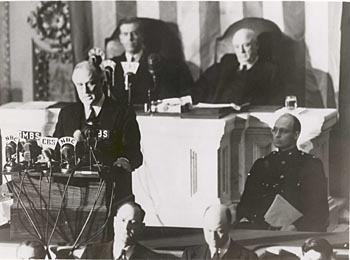
Answer the following questions(support your answers with information from text or web)
1. How did Congress feel about Roosevelt's new deal? Did they support Him? Why or Why Not?
2. What did the Supreme court do with the New Deal? What was their role?
3.In president Roosevelts first term as presient Legislation was passed according to the New Deal. What was it?
Day 5
World History
President Roosevelt joined the Allies in World War ll after the United States was attacked at Pearl Harbor in Hawaii. The US declared war on Japan and entered the war.
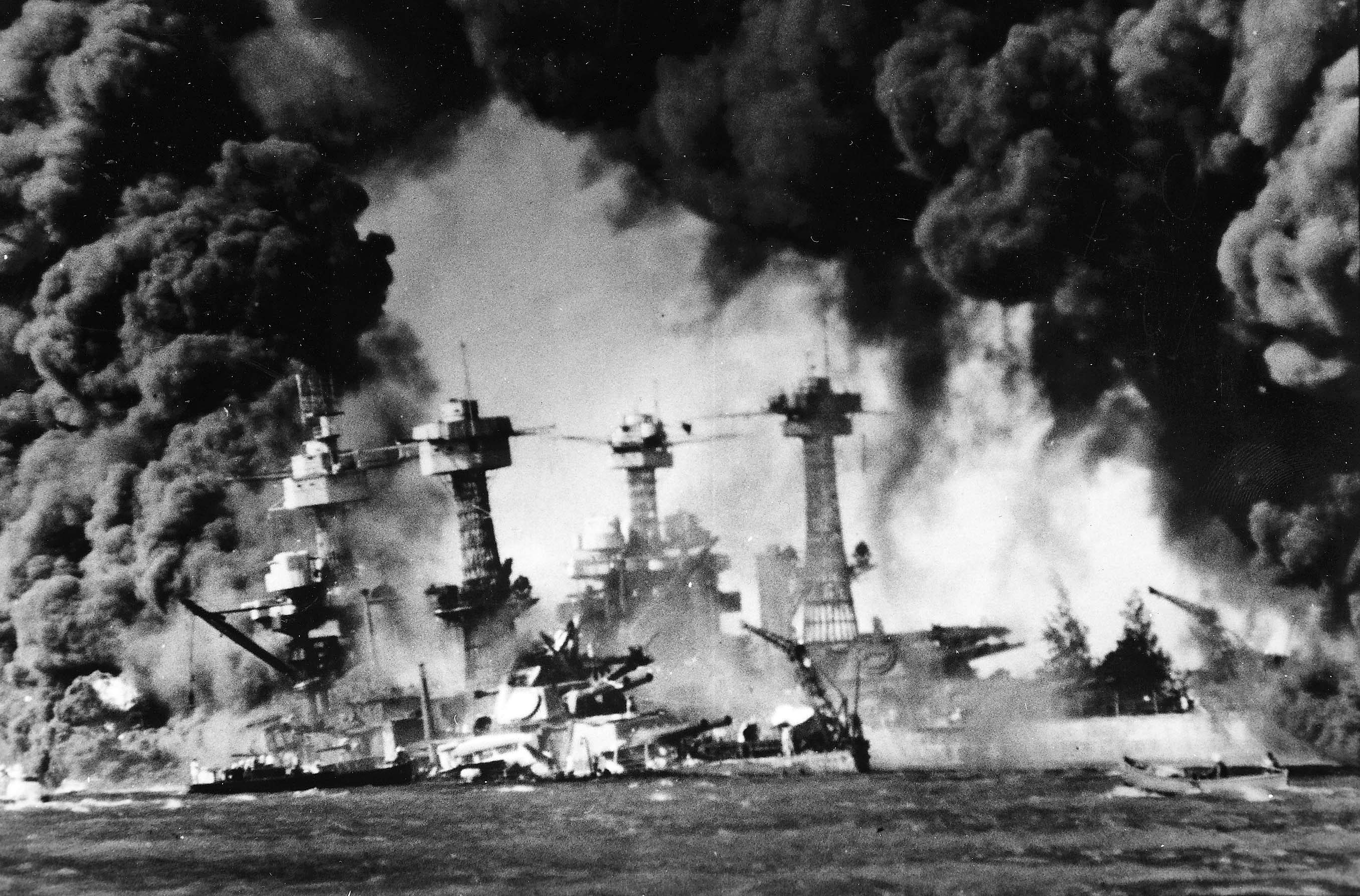
Read about Roosevelt’s famous speech and listen to it.
http://www.historyplace.com/speeches/fdr-infamy.htm
After reading and listening the speech answer the discussion questions that follow.
1. How did Roosevelt inspire the nation to enter the war? Provide examples from his famous speech.
2. How was the Depression affected after the US went to war? How did it end?
3. Review president Roosevelt as a president. What do you think of him as a leader? Was he a good president? Why/Why not?
Assessment:
Write an essay on one the following topics:
1.The Great Depression—A most difficult Period for the United States
2.The effects of World War II on the Great Depression
Please use the, articles, visuals, the web and other research statistics to support one of the most difficult times in American History.
Read about Roosevelt’s famous speech and listen to it.
http://www.historyplace.com/speeches/fdr-infamy.htm
After reading and listening the speech answer the discussion questions that follow.
1. How did Roosevelt inspire the nation to enter the war? Provide examples from his famous speech.
2. How was the Depression affected after the US went to war? How did it end?
3. Review president Roosevelt as a president. What do you think of him as a leader? Was he a good president? Why/Why not?
Assessment:
Write an essay on one the following topics:
1.The Great Depression—A most difficult Period for the United States
2.The effects of World War II on the Great Depression
Please use the, articles, visuals, the web and other research statistics to support one of the most difficult times in American History.
Evaluation
EVALUATION
| Beginning 1 |
Developing 2 |
Qualified 3 |
Exemplary 4 |
Score |
|
|---|---|---|---|---|---|
| Evaluation of New Deal Program | Giving a summary of program. | Summary of program. Opinion about program without factual support. | Summary of program. Opinion about program with factual support. | Summary of program. Pros and cons of program. Evaluation of effectiveness and success. | |
| Creation of student's new program | Restating the original program. No evaluation of program. | Listing aspects of program that could be used. | Listing ideas to form a new plan. Evaluating why they would be benifical. | Listing ideas to form a new plan. Evaluating why they would be benifical. Looking at why some ideas were left out. | |
| Group Interaction | Low participation. Not sharing information. Letting others do the work. | Low participation. Limited sharing. | Communicate the strengths of the program the student looked at. | Communicate the strengths of the program the student looked at. Give examples. |
Conclusion
Conclusion
We have examined the Great Depression using the 5 Social Studies Strands: Geography, World History, American History, Economics and Government/Civics. Hopefully you have learned some new things about this time period and how it affected the world, its leaders, government and the economy.
Teacher Page
Author Biography
Michelle L Artiaga
I have been a music teacher for 11 years in New Mexico Public Schools. I am futhering my Education through Grand Canyon University with a Master’s Degree in Elementary Education.
TEACHER INTRODUCTION—
By Michelle Artiaga Grand Canyon University
The Great Depression was a difficult time in US History. This era will be explored by examining it through the use of the 5 social studies strands: World and American History, Geography, Economics and Government.
Learners
This webquest follows the NM state standards for 6th grade. Students will learn about the Great Depression and FDR, the New Deal and how WWII ended the depression.
Standards
NM Social Studies Standards Grades 5-8
History Content Standard I: Students are able to identify important people and events in order to analyze significant patterns, relationships, themes, ideas, beliefs, and turning points in New Mexico, United States, and world history in order to understand the complexity of the human experience.
Geography Content Standard II: Students understand how physical, natural, and cultural processes influence where people live, the ways in which people live, and how societies interact with one another and their environments.
Civics and Government
Content Standard III: Students understand the ideals, rights, and responsibilities of citizenship and
understand the content and history of the founding documents of the United States with particular emphasis
on the United States and New Mexico constitutions and how governments function at local, state, tribal, and national levels.
Economics Content Standard IV: Students understand basic economic principles and use economic reasoning skills to analyze the impact of economic systems (including the market economy) on individuals, families, businesses, communities, and governments.
Teacher Process
Materials that you will need
Use the internet or classroom resources (textbook or other materials) to attain background knowledge and information on the Great Depression