
Introduction
As you may know from TV shows and movies, forensic scientists possess an arsenal of investigation techniques which we have not yet touched on in this unit.
These include hair analysis, textile fibres, paint, soil, glass, handwriting and ink, tool marks and impression evidence.
The reasons that we have not focused on these in great detail will become apparent to you as you explore the science behind 3 of these techniques: hair analysis, questioned documents and impression evidence.
Task
Your task is comprises 3 elements:
- Determine what these secondary forensic techniques have in common and how this is different to the primary techniques you have learned about so far.
- Describe a real case where one of the secondary forensic techniques was used to convict
- What where the circumstances?
- Was there any other supportive evidence (if so, how was it presented)?
- What level of confidence was given to evidence? By whom?
- Do you think this case had enough scientific basis to convict. Explain?
- Describe a real case where an initial conviction was overturned because of the questionability of the secondary investigative technique(s) used
- why was it overturned?
- was there any other supporting evidence (if so, what)?
- What kind of 'experts' where presented/ used to explain the importance of the evidence at the trial/ retrial?
- How did the credibility of the evidence come into question?
Process
Hairs make good forensic evidence because they are sturdy and can survive for many years, they carry a lot of biological information and are easy and cost effective to examine. In addition DNA can be extracted from hairs. However, their use as a discriminatory tool has come into question.
https://www.fbi.gov/about-us/lab/forensic-science-communications/fsc/ju…
- http://www.abc.net.au/news/2015-04-21/fbi-admits-decades-of-forensic-ha…
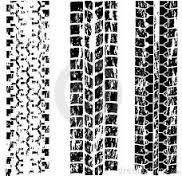
- http://www.crime-scene-investigator.net/footwear.html
- http://www.forensicmag.com/articles/2015/07/impression-evidence-admissi…
Questioned documents, that is, the examination of handwriting, signatures, ink, the formation of sentences and gramatical structure is one of the oldest examination techniques. It has its roots in the latter 18th century, when fraudulant and spurious documentation was rife.
Evaluation
Now you know more about the scope and limitations of these techniques, it's time to find some real cases where conviction and/or overturning of a case has occurred.
There are many famous (and infamous) cases where questionable forensic techniques have been admitted as evidence. Some key terms you may want to search
- hair/imprint/handwriting used for conviction
- 'junk science'
- Innoncence Project
- wrongful convictions overturned because....
Conclusion
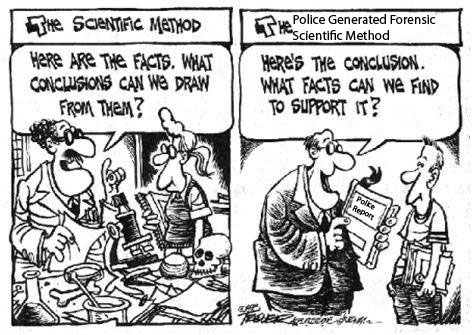
All forensic secondary techniques possess, to varying degrees, an element of human subjectivity or interpretation that places their reliability and evidence into question when used as EVIDENCE ALONE. They can, however, provide useful supporting evidence, place people/ items at certain locations, providing lines of inquiry and excluding people and/or possibilities. As you have seen, their misuse or misrepresentation of the information they provide can have wide ranging consequences.

The way evidence is presented in court, and the credibility of the 'expert' conveying the meaning of the evidence plays a large part in this process. Much of the distinction between primary and secondary techniques and current rules for evidence admissability have come about due to the "Daubert Principle".
Check it out: http://www.forensicsciencesimplified.org/legal/daubert.html