
Introduction
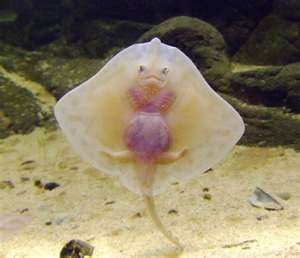
Whose baby is that?
All animals have a life cycle. They are born in some manner, they grow and become adults, and then they have babies of their own. Some baby animals look a lot like their parents and others do not look like their parents at all.
You will be learning about some animal life cycles and how babies are and are not like their parents.
Task

You will need to learn about the life cycles of a mammal, an amphibian, a reptile, a sea animal and a bird. You will make a comic strip type series of drawings to show the parts of each life cycle. Then you will write a report to tell how each baby animal is like or unlike its parents.
Process
Let's learn about some animals.
- For each type of animal, you will have two choices. Choose which animal you would like to learn more about. After you have made your choice, click on the links below the animals name to find out about the animal and its life cycle. On a fact sheet found in your folder, write down what you learn.
- Make a comic strip style illustration of the animal's life cycle. There are strips of paper available for you to use. Put a drawing of each phase in a box by itself. Put the stages in order, starting with the egg or birth and ending with the adult. You may not use all the boxes. You may cut off extra boxes after you are done. If you do not have enough boxes, tape two strips together.
- Write a short report about each animal, telling how the baby is like and unlike its parents. There is paper in your folder for each animal. You will not use all the papers.
Mammals
| Lion | Hedgehog |
Reptiles
| Sea Turtle | Alligator |
Amphibians
| Frogs | Salamander |

Sea Animal
| Stingray | Salmon |

Birds
| Penguin | Robin |

Conclusion
You now know a lot about animals, their babies, and their life cycles!
Now you can share what you have learned.
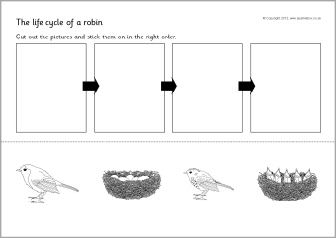
When you have finished all five life cycles and reports comparing the babies and adults you are ready to present to your class.
You will show the class your "comic strip" drawings of the animals life cycles. You will also tell them how the babies are like or unlike their parents.
When you finish presenting each animals, ask your classmates if they notice anything alike or different between the parents and the babies that you did not mention.