
Introduction

Early American Settlers
Surprise! You just met the famous inventor Dr. Duwrong. He has created a time machine and is going to let you use it to return to the very beginnings of the United States. You will lead a group of third graders through this adventure. You will get to see some of the early settlements in this country, join the Pilgrims on their Mayflower Voyage and visit Plimoth Colony. This will be an exciting journey!
Task
Getting Ready
You and your fellow travelers (your classmates) will need to be well prepared for your journey. If you do not fit in with your surroundings and the people you meet, you may be taken for witches or demons and be thrown overboard or burned at the stake. As the leader, it is your job to find out all you can about this time in history and then share your learning with your fellow time travelers before you embark on your adventure.
Process
Before beginning, look over the papers and worksheets in your folder to discover what kinds of information you will need to find.
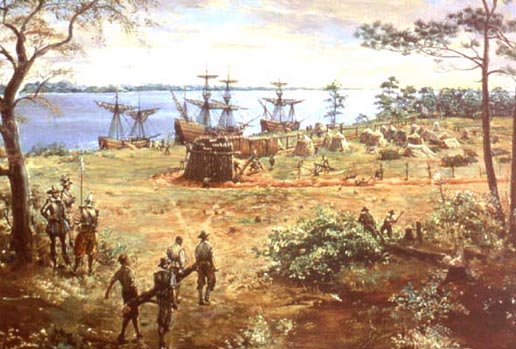
Since the U.S. was formed from 13 British colonies in North America, the first English settlements might be considered the earliest U.S. towns. Many people think of Plymouth, Massachusetts as the first settlement, but others places were settled before the Pilgrims came to Plymouth. They arrived in 1620. The very first English settlement in what is now the U.S. was the Roanoke Island colony in North Carolina, which was founded in 1587. The earliest long-term English settlement was Jamestown, Virginia, which was founded by Capt. John Smith in 1607. The title of oldest continuously inhabited English-speaking city in the U.S. is claimed by Hampton, Virginia, which was founded in 1610 and still exists as a populated city today.
First you are going to learn a little bit about some early settlements in the new world. See if you can figure out what the settlers could have done differently to make their settlement more successful. What things did they do right?
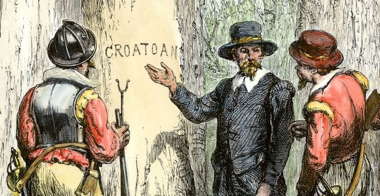
Not much is known about Roanoke Colony (The Lost Colony). You can learn about it below.
Roanoke Colony, Virginia
Colonial America -Lost Colony of Roanoke
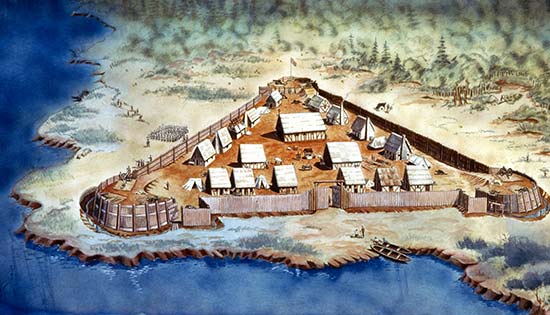
Next we will learn a bit about Jamestown, Virginia. This was the first English settlement to be occupied for a long time, but it also had problems.
Jamestown Settlement - video
You can also read all or part of the book The Story of Jamestown.
Fill out the paper in your folder so you can share this information with your fellow time travelers.
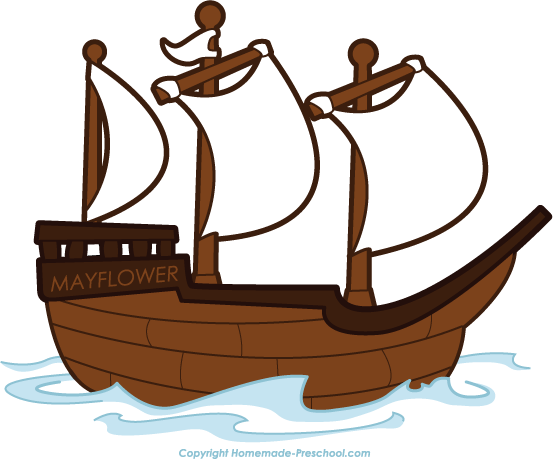
Now you are going to learn about the Mayflower.
Click on the link below. This will tell you about the ship and its voyage acrosss the Atlantic Ocean. Click on Tour the Ship and then click on each numbered section of the ship to learn about it. When you have finished looking at the ship, click on Journey of the Mayflower above the main screen. Click on the dots to find out what happend as they traveled across the ocean. (If you click on full screen when doing these activitiess, click on the back arrow to get out of full screen so you can choose the next activity.)
The First Thanksgiving - Mayflower
Here are some web sites that will give you more information about the Mayflower.
Mayflower History and Fun Facts
Parts of the following books will also tell you about the ship.
Pilgrims - Chapter 1, pages 13 - 23
Don't Know Much About The Pilgrims - pages 12 - 14
On the computer, you will find a PowerPoint file called Mayflower. You will need to label different parts of the ship so the time travelers will know where to go. (Directions are in the folder).
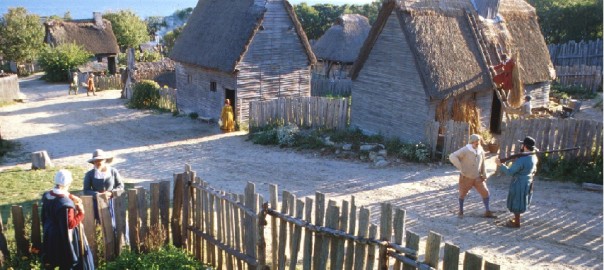
The Pilgrims first landed on Cape Cod. They stayed there for about one month as exploration parties looked for a good place to settle. They decided to go to what is now known as Plymouth. After living in Plymouth for a while they came to know some of the Wampanoag tribe. These native Americans helped the Pilgrims as they learned to live in the New World.
Learn about the daily life of the Pilgrims and Wampanoag. Pilgrims lived very different lifes from what we do today. There lives were also very different from that of the native Americans. Look at the following web sites and books to learn about how they lived.
The First Thanksgiving - Daily Life: Click on a subject at the right. Then click on the page numbers above the pictures to learn more about each topic. When done with one section, click another topic (written in blue) near the top.
Picture 1 of inside a Pilgrim's house
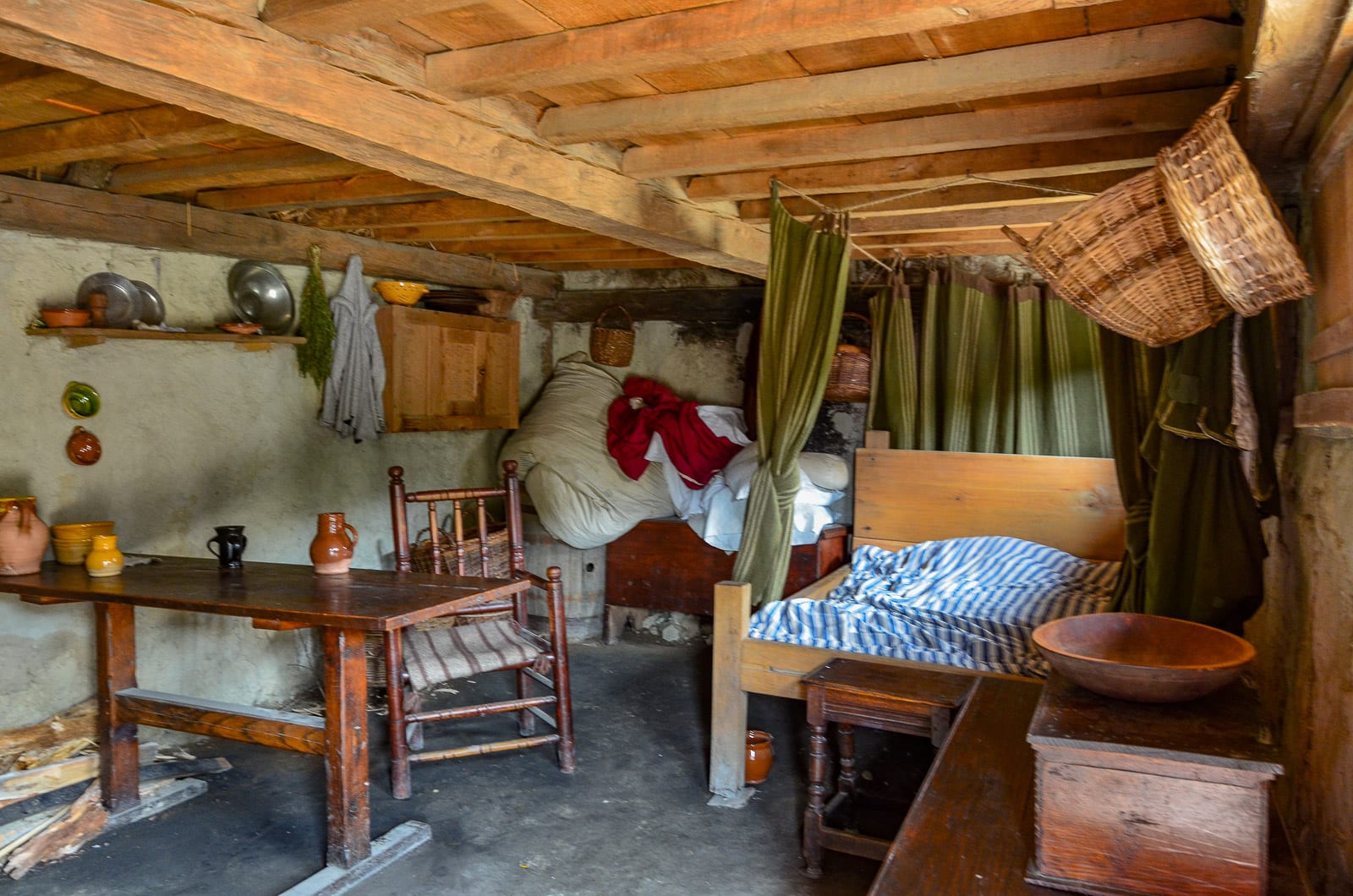
Picture 2 of inside a Pilgrim's house

In the book, Don't Know Much About the Pilgrims, read pages 20 - 25 and 32 - 39.
In the book, Pilgrims, read Chapter 6, pages 85 - 101.
After learning about Pilgrim life, you need to decide how you will let your fellow time travelers know what life is like. You could write down information about what they eat, what they wear, what kind of work they do, and what a child's life was like. You should also include some information about the Native American way of life, just in case you meet up with some of them while you are in Plymouth. Then you could read or tell this information to the class. If you prefer, you may add slides to the Mayflower PowerPoint and use words and pictures on the slides to show them about daily life.
You will also be making a model of the inside of a Pilgrim house, so everyone will get a better idea of where they will be living when they go back in time. Use the shoebox, materials provided, your own glue, scissors, and crayons, and any other items you think will help you make the house. You may work on this just at school, or you may take it home to work on it there also.
Evaluation
 After presenting to the class, give your papers to your teacher. She will use the papers you filled out, the presentation you gave, and your house model to evaluate how well you were able to tell your fellow time travelers about the early colonial times in America. She will be looking to see if you told about the hardships and the good things about this life. Make sure you describe daily life so that everyone has a good idea of what life will be like when they travel back in time.