
Introduction
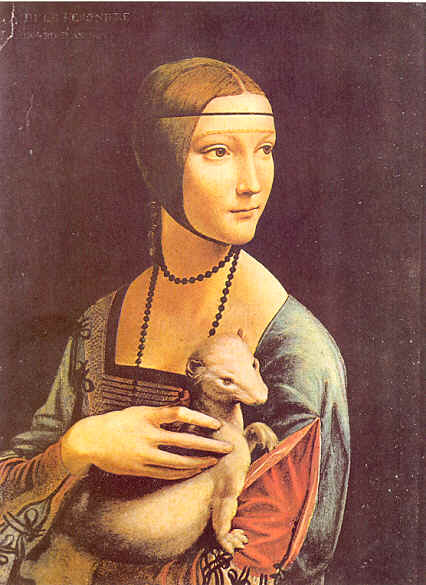
Women in the Middle Ages, a period of European history circa the 5th century to the 15th century, held a difficult position in society whether they were rich or poor peasants. Women were totally controlled by the male members of their family. They were expected to constantly obey their father, brothers and any other male members of the family. They were confined to maintain the house with such tasks as cooking and baking bread, as well as conform to their males' demands. They held active roles in society, although their efforts were affected by their social class, martial status and by the place and time in which they lived.
Task
Task #1: After reading up about medieval women in the process section (Task #1 reading only) click the link below to complete an interactive crossword puzzle.
http://www.proprofs.com/games/crossword/role-of-women/
- Have teacher check for completion
- Go back to the process tab.
Task #2: After completing your selected reading jot down 3 interesting facts and be prepared to share them with the class.
- Have teacher check for completion
- Share information with class.
If you finish early with both tasks feel free to go to this website http://www.heraldry.ca/kids_en/artGamesPuzzles.htm to play some cool medieval themed games!
Process
Task #1 Reading
The Medieval Lady
Girlhood
Girls were educated very differently from boys. They usually lived away from home, in a monastery or another castle. There they were taught how to sew, read and write Latin, to sing, and to do many other "feminine" practices. Girlhood did not last long. Some young girls were engaged to men when they were as young as six or seven years old. Usually girls were married by the time they were fourteen.
Marriage
Young noble women had little say in who they were married to or when they were married. Marriage was used to seal political ties and obtain greater wealth by most people in the upper classes. In exchange for a dowry, which usually consisted of a set amount of wealth, the medieval lady got one third of her husband's estate when he died. However, marriage was not always good for a woman. When she was married, she was said "to come under the rod". This meant that she had virtually no rights. She could not sue, appear in court, make a will, or do many other things that women today take for granted. Before she could do these things she had to get the consent of her husband. Once her husband died, she regained most of these rights.
Childrearing
Usually a woman had all her children by the time she was twenty. Giving birth was very dangerous and many women did not survive the process. Once the child was born, the lady either nursed it herself, or she would hire a wet nurse to do the task. The lady was also in charge of the servants who took care of the children.
Evaluation
- Completion of both tasks.
- Active participation
- No disruptions
- Used time effectively in class
Conclusion
Now that you have completed the crossword and read the information, you should have a better understanding of the role women played in middle aged society.
The work of young medieval centered mainly in the home. Once women married their role changed and they had to conform to meet the needs of their husband. Widowed women often took on the work of their husbands' trades.
The few women that did work generally had a much lower pay rate and many more restrictions than the men that shared their trade. Equality of women and work were in inverse to their social positions.