
Introduction
The Industrial Revolution was a time of dramatic change - from hand tools and handmade items to products, which were mass-produced by machines. Workers became more productive. Since more items were manufactured, prices dropped, making exclusive and hard to make items available to the poor and not only the rich and elite. Life generally improved, but the Industrial Revolution also proved harmful. Pollution increased, working conditions were harmful, and factory owners employed women and young children, making them work long and hard hours. The Industrial Revolution was a time for change, for better or worse.
The Webquest is dedicated to the Industrial Revolution, the changes that occurred, and how it affected modern life. This Webquest demonstrates the transition from hand tools to machines, and examines the pros and cons of the Industrial Revolution.
Task
Use the links provided in The Process section to complete the Web Quest. Complete all 8 of the sections of the Webquest before handing the completed activity in for credit.
Process
Good Luck and Have Fun!
1. Causes of the Industrial Revolution - Explain what role each of the following conditions played in the beginning of the Industrial Revolution and why it started in Great Britain.
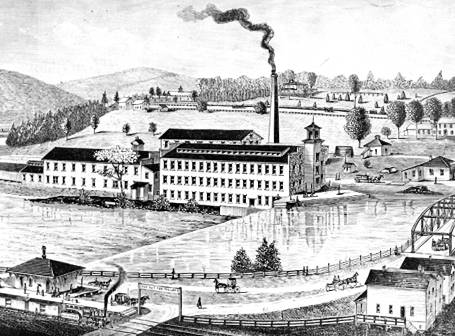
2. The Factory System and Mass Production - Describe working conditions in a textile factory. Explain how industrialization led to urbanization, and locate a map of Great Britain that shows the pattern of migration toward cities.
3. Changing Social Roles - The roles of men, women, and children changed in the new industrial society. In the chart provided, describe life for each in the working class and the new middle class and upper class individuals and/or families.
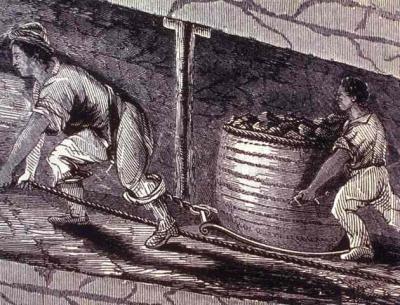
4. Child Labor - Describe working conditions for children in a typical textile mill and a coal mine. How much money did they make? How old were they? Find personal testimonies and provide a summary of each.
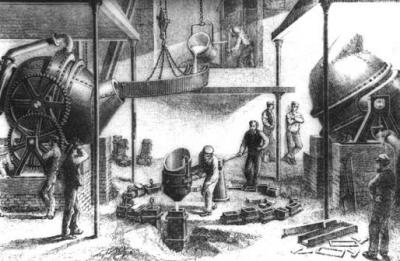
5. Technology - Identify 4 inventions or innovations in technology that were developed during the Industrial Revolution. Include a brief description of what it was used for and how it made life easier during the Industrial Revolution.
6. Competing Philosophies - List the main ideas and supporting details for each of the competing economic philosophies of the Industrial Revolution.
- Laissez Faire Capitalism
- Social Darwinism
- Socialism
- Marxist Socialism (Communism)
7. Unions and Reform Legislation - Throughout the 1800s, reform movements sought to address the negative impact of the Industrial Revolution. The actions of workers and reformers forced governments to examine and reform many of the worst abuses. Evaluate the causes and effects of Labor Unions. Identify specific reform legislation passed by the British Parliament to correct some of the abuses of the Industrial Revolution.
1. Causes of the Industrial Revolution
1. Causes of the Industrial Revolution
Website that explains some of the causes of the Industrial Revolution.
1. Industrial Revolution Begins
Another website that details the beginning of the Industrial Revolution
2. The Factory System and Mass Production
2. Industrial Revolution Overview
Provides an overview of the Industrial Revolution.
Use this site to help find details about the working conditions in a factory during this time.
2. Urbanziation
Use the link provided to answer the question about Urbanization in 2b.
3. Changing Social Roles
3. Industrial Revolution - Classes of People
Website that talks about the differences between the middle/upper and working classes of people during the industrial revolution.
Links to women's issues from the Industrial Revolution.
4. Child Labor
4. Child Labor
Offers an over of the issue of Child Labor during the Industrial Revolution.
5. Technology
5. Industrial Revolution new inventions
Use this site to learn about 10 new inventions from the Industrial Revolution. Use the next button to advance to the next invention.
6. Competing Philosophies
Provides an overview of this philosophy that developed during the Industrial Revolution.
6. Economic Philosophies Power Point
Download this Power Point to get a fantastic overview of the key economic philosophies of the Industrial Revolution.
7. Unions and Reform Legislation
7. Reform Acts (Laws)
Provides an explanation as to why Reforms were made by the British Parliament, as well as a number of additional links to specific reform acts.
7. Education Act of 1870
Explains the rationale behind Parliament passing the Education Act of 1870 and its key provisions.
7. Labor Unions
Provides several links to articles about important labor movements, strikes, labor union leaders, etc