
Introduction
Students will explore the WebQuest in order to learn about the Paleo diet & foods/portions that will benefit their health and nutrition while preventing disease

This diet fights against cancer, diabetes, obesity, and many other harmful diseases that are caused by improper nutritional intake. Students should be able to explore this WebQuest and learn how to eat food that will benefit their health and fitness--not hurt it.

This WebQuest is designed to teach you about a variety of foods that if eaten correctly in the appropriate proportions--could greatly decrease your chances of getting diseases, while dramatically increasing your energy, mentality, and overall health.
Task
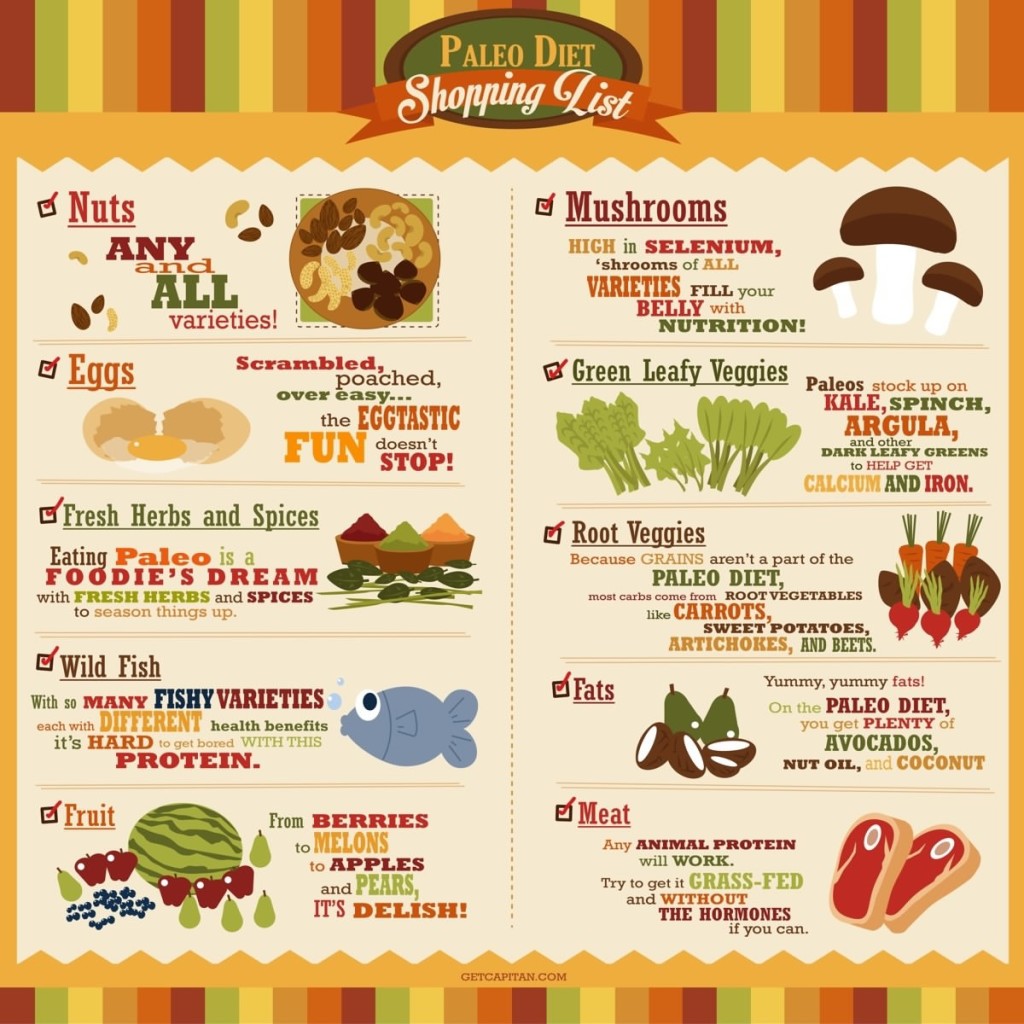
Day 1: Create a one day meal plan and a Shopping List using paleo friendly foods
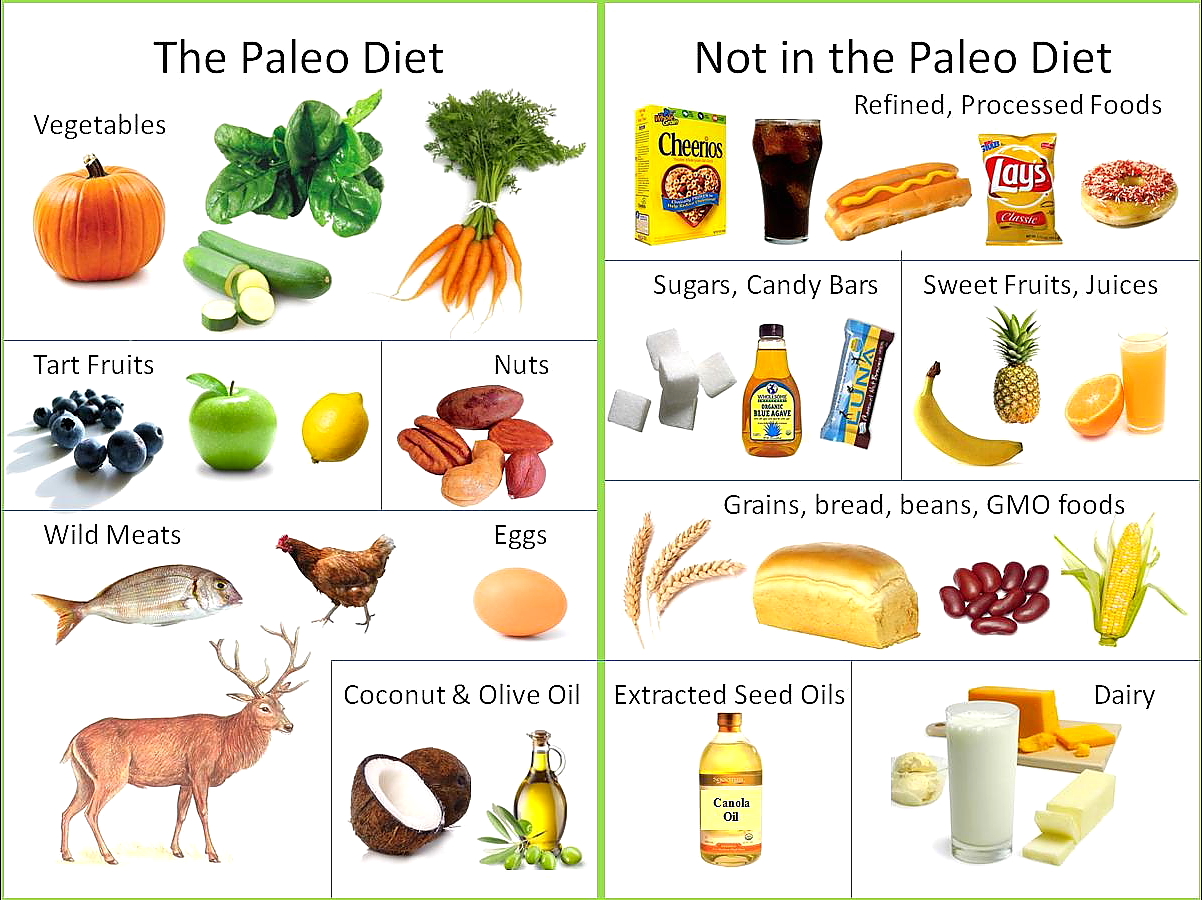
Click here to learn more about PALEO friendly foods
Day 2: This segment is called Story-Time, where you will share both positive and negative stories/experiences about people you know and/or have researched that live healthy and unhealthy lifestyles.

Track your macro nutrient intake using your Meal Plan.
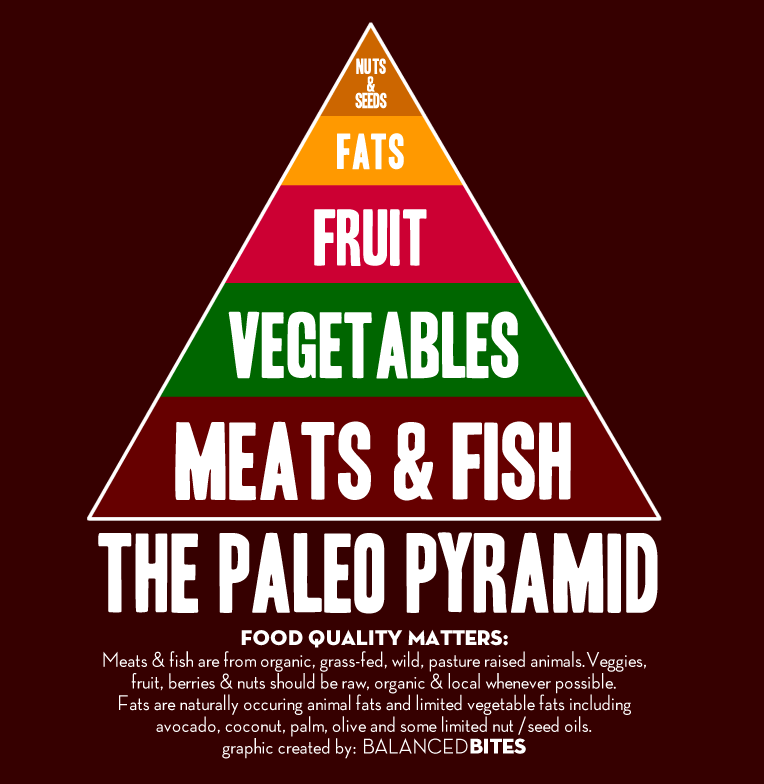
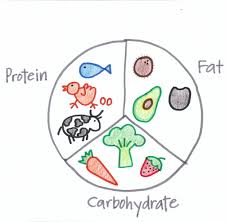
Each day should satisfy the recommended daily caloric intake according to the paleo diet recommendations: 50% healthy fats, 30% vegetables, and 20% protein.
Use these Links to educate on why these diets are so effective and what foods you should and should not be consuming.
Process
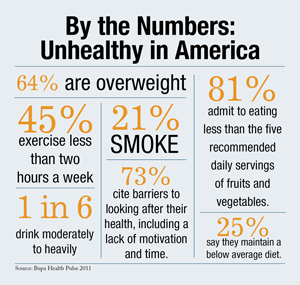
America is the most obese country in the world! We consume TONS of processed foods, sugars, and harmful GMO's every day that increase our chances of becoming obese, getting Cancer, and even death.
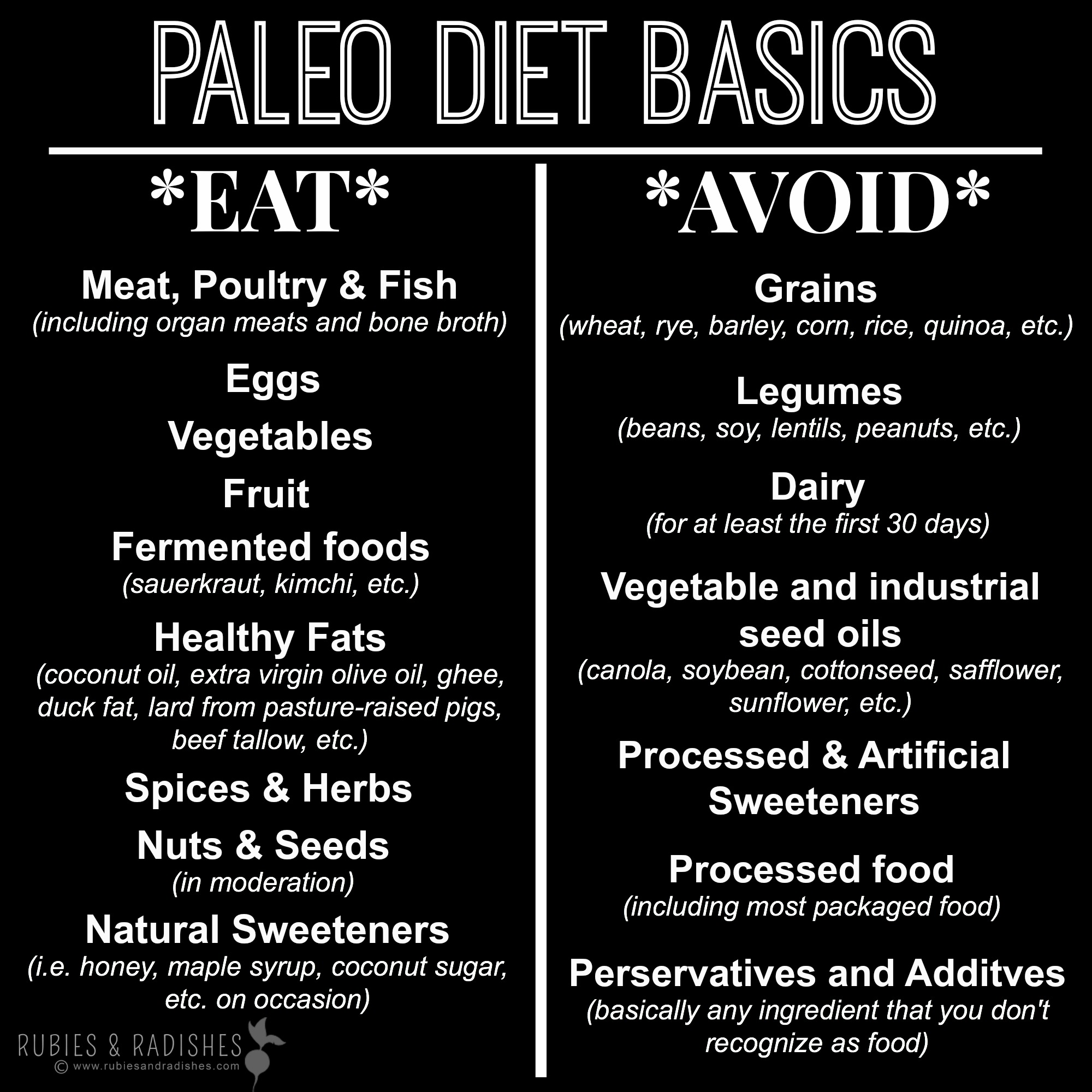
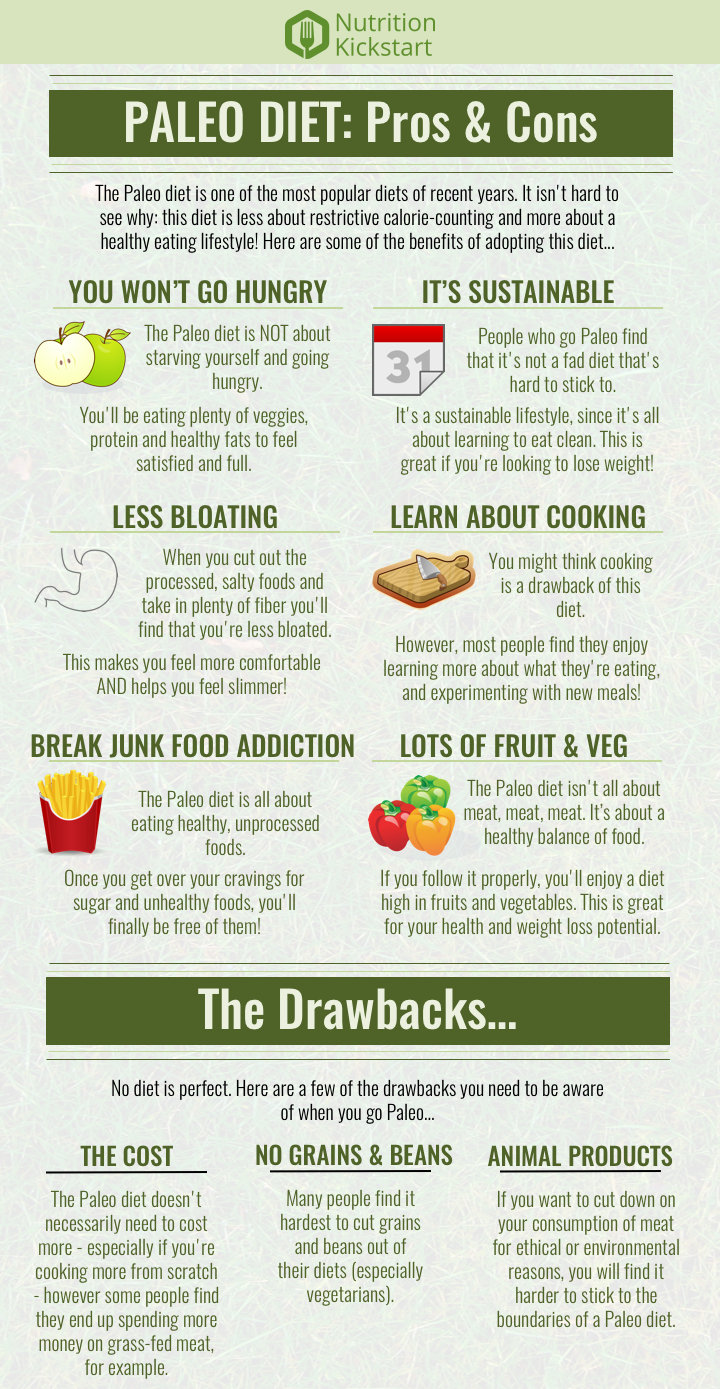
Your Task: Learn about the Paleo diet by visiting ultimatepaleoguide.com and paleoleap.com. Pay close attention to what you can and can’t have on this diet and why. Take notes on your findings & discuss the pros/cons of the paleo diet.
Your Task:
Read 1 of the articles available (see links below) and take notes on key points. This information will be shared with the class. Use this info to help you form the meal plan/shopping list.
These are some insightful links that might help sway your decisions on what to put on your shopping lists and what to avoid. Enjoy!
Advantages of Eating Grass-Fed Meats!
Top 6 Reasons Why You Should AVOID Dairy!!
The 7 Most Unhealthy, Cancer-Causing Foods
Mental Benefits of Exercise and Proper Diet
The Harmful Effects of Sugar On the Body
Your Task:
Create a 1 day Paleo meal plan for yourself on the worksheet provided. Include a Paleo friendly Breakfast, Lunch, Dinner, and Snacks. Then, compose a shopping list of all ingredients you will need to purchase.
(REMEMBER: 50% healthy fats, 20% Protein, 30% Veggies)
Start Here on Day 2 of the Project!
Your Task:
Share the findings from your interview with the people at your table.
Storytime! Tell each other stories of people you know, are related to, or have heard about, who have Cancer, Diabetes, Heart Problems, are obese, inactive, or depressed. What do you think their nutritional intake/exercise plan is like?

Storytime part II! Now that you have discussed your health-horror stories it's time to talk about some positive health stories. Tell each other stories about people who live healthy & active lifestyles. Discuss famous athletes, people you know, and people you have heard about. What do you think their nutritional intake/exercise plan is like?


Group Work: Compare your meal plan and shopping list with the other students at your table and discuss.
Check each other’s shopping lists to make sure all foods are Paleo friendly (REMEMBER: no processed foods, dairy, legumes, or grains). Record your name on the meal plan you checked.
Your Next Task: Find out what your daily caloric intake should be by using one of the Calorie Calculator links below.
Example:

Your Final Task: Use the Food Calculator to determine how many calories, carbs, proteins, and fats are in each item on your shopping list.
Evaluation
|
|
Health Risk |
Unhealthy |
Healthy |
Revitalized |
|
Shopping List & Meal Plan |
Full of unhealthy/non-paleo foods that cause inflammation and disease. |
Contains some unhealthy or non-paleo items. Imbalanced serving portions |
Contains a balance of healthy, paleo friendly foods. |
Full of nutrient-dense/paleo foods that fight disease & inflammation |
|
Calorie & Nutrient Balance Ratio |
Improper balance of nutrient ratios & calories. |
Calories & nutrient ratio balance is below or above average. |
Calorie intake & nutrient ratio balance is mostly correct. Requirements met. |
Perfect/near perfect nutrient Ratio balance. Meets caloric intake recommendation |
|
Interview Questions |
Incomplete/Didn’t follow instructions |
Less than 10 / vague questions asked |
8-10 detailed questions were asked |
10+ quality, detailed questions were asked |
|
Interview Summary |
Poorly written, only a couple sentences, and very vague |
Poorly written paragraph, with incomplete sentences, and lacked detail |
Well written paragraph, but lacked detail, and/or contained a few errors |
Well written paragraph, with detailed, complete sentences, and free of errors |
Conclusion
Now you have a basic understanding of how much of an impact food has on health. YOU ARE WHAT YOU EAT!!!
Create at least three personal goals that you will aim to achieve from now on. These goals can be about exercise, proper nutrition, new foods to eat, or anything you learned that you would like to implement into your daily lives. Record these goals in a personal journal and explain why they are important to you. Once you have written out your goals in your journal, share your goals with your group. This will help you to keep each other accountable and encourage one another to stay in pursuit of living a healthier lifestyle! :)
Feel free to set as many goals as possible because the more goals you set the healthier you will be!
Here are some examples of some great healthy goals that will ensure a much healthier, well-balanced lifestyle!
1. 45-90 minutes of exercise 4-5 days a week.
2. Eat some sort of greens with every meal.
3. Cut dairy and sugars completely out of your diet.
4. Stop eating foods that are processed.
5. Only eat grass-fed meats.
6. Only eat cage-free eggs and chickens.
7. Eat ORGANIC foods!
8. Eat more fish than meat.
9. Eat 3-5 servings of veggies a day.
10. No soda ever again!