
Introduction
Photosynthesis is the process by which plants convert light energy into chemical energy stored in glucose, with carbon dioxide and water as substrates, and oxygen as a byproduct. The process occurs mainly in the chloroplasts of plant cells specifically within the thylakoid membranes.
Cellular Respiration is the process by which glucose is broken down in the cells to produce ATP (adenosine triphosphate), the currency of the cell in terms of energy. The stages of this process include glycolysis, the Krebs cycle, and the electron transport chain, and it takes place mainly in the mitochondria.
Linkage and ecosystem significance. Both of them are interlinked since one (photosynthesis) provides oxygen and glucose which are the basic metabolic substrates for cellular respiration, while the other (cellular respiration) produces carbon dioxide and water that are utilized in photosynthesis. Such dependency between the two vital processes ensures maintenance of balance between oxygen and carbon dioxide in the atmosphere and keeps energy flow in ecosystems functioning. Together, they provide the mechanisms for energy transfer and sustain life on earth by supplying energy and atmospheric conditions.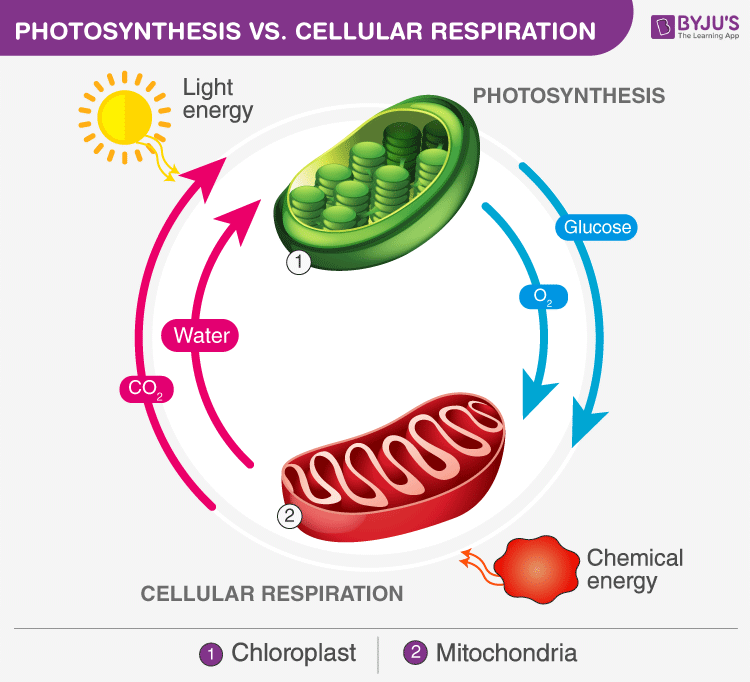
Task
Prepare a digital presentation or infographic outlining the elements and significance of photosynthesis and cellular respiration. Measurable outcomes would include having the above done with diagrams, explanations, and comparisons.
Process
- Study photosynthesis by light-dependent reactions and the Calvin cycle, and cellular respiration by glycolysis, the Krebs cycle, and the electron transport chain.
- Prepare flowcharts or diagrams to capture inputs and outputs of these processes.
- Collect interesting information from plenty of various resources: educational sites, videos, articles, etc.
Evaluation
| Criteria | Exceeds Expectations (4 points) | Meets Expectations (3 points) | Approaching Expectations (2 points) | Needs Improvement (1 point) |
|---|---|---|---|---|
| Understanding of Photosynthesis | Accurately defines photosynthesis, explains the role of chloroplasts, and describes the inputs and outputs in detail. | Defines photosynthesis and explains its basic process and importance. | Provides a basic definition of photosynthesis but lacks detail. | Does not clearly define or describe photosynthesis. |
| Understanding of Cellular Respiration | Accurately defines cellular respiration, explains the stages and how it generates ATP. | Defines cellular respiration and provides a basic explanation of its stages. | Defines cellular respiration but lacks detailed explanation of stages. | Does not clearly define or describe cellular respiration. |
| Connection between Photosynthesis and Cellular Respiration | Clearly explains how photosynthesis and cellular respiration are interconnected and vital for energy generation. | Explains the interdependence between the two processes but lacks depth. | Mentions the connection but without clear explanation. | Does not establish a clear link between the two processes. |
| Ecosystem Significance | Explains how these processes contribute to maintaining atmospheric oxygen levels and carbon cycling, and their role in supporting ecosystems. | Discusses the importance of these processes in ecosystems but lacks detail. | Provides a basic description of the ecosystem roles. | Does not explain the ecosystem significance adequately. |
| Presentation and Organization | Content is well-organized, clearly written, and free of errors. | Information is organized and presented clearly with minor errors. | The content is somewhat organized but contains several errors. | Content is disorganized and hard to understand, with numerous errors. |
Conclusion
Photosynthesis and cellular respiration provide the basis for all life on earth. This is the biological process of conversion of light energy into chemical energy stored in the form of glucose, and the byproduct of it is oxygen; In chloroplasts, photosynthesis occurs in plant cells. It makes conversion of glucose for ATP (energy), carbon dioxide, and water by breaking it down within mitochondria of plant and animal cells. These are interrelated processes, as oxygen produced during photosynthesis is used up during cellular respiration, as carbon dioxide released during respiration is used up during photosynthesis. Collectively, they form a cyclic relationship vital for the flow of energy within ecosystems.
Credits
Teacher Page
This WebQuest is to study the important biological phenomena: photosynthesis and cellular respiration, explaining their link to one another and their importance in harnessing energy for living organisms. With the completion of this task, students will better appreciate the processes and their role in the flow of energy in ecosystems and the very existence of life on earth. This WebQuest will promote higher-order thinking and inquiry learning through guiding students into working with resources and interacting with tasks, ending with self-reflecting on the learning journey. Thus, the resource expands understanding and bridges theory to real-life application.