
Introduction

It is the 18th century and Europe is starting to hear about the new ideas developed by The Fantastic Four: John Locke, Montesquieu, Rousseau & Voltaire. Their ideas are flooding academia and it soon becomes apparent that these ideas could be and SHOULD be applied to both economic and political systems. Reform is, at last, possible.
These ideas were fostered by intellectuals, writers and critics known as philosophes. These philosophes championed reform in the emerging print culture. They sought rational improvements on many levels of society. This period, also known as The Age of Reason, dramatically influenced the drafting of the United States Constitution and the Declarations of Rights of Man and Citizens.
Some rulers attempted to incorporate of the ideals of the philosophes. Three of the stars were Catherine II of Russia; Frederick II of Prussia & Joseph II of Austria. Although these three attempted to reach enlightened status, they varied in their success. You will be examining their successes and failures as enlightened despots.
Task
Creativity is the key to this task. You will create a product that discusses the hopes and challenges of any would-be enlightened despot. You may refer to any of the "stars" or you may do a generic profile. Your product will be delivered to the class. You may work alone or in a group of no more than 3. It may be in the form of a:
* poem, rap or song
* skit
* video news cast
* video/powerpoint
* other approved idea
Process
1. Log into Edmodo and answer the following question: What are the duties of a government ?
2. Edmodo Response: Respond to at least 2 of your peer's posts.

3. Click on the link to the right (man with paper) to read a brief summary of the enlightenment.
Key people: The Fantastic Four = John Locke, Montesquieu, Rousseau, and Voltaire.
Keywords: Enlightenment, philosophes, separation of power.
4. Click on the link to watch Enlightenment Thinkers. Take notes on the Philosophes Chart located on edmodo. Save this to your folder and when completed upload it to edmodo for me to review.
Key concepts: Separation of power, religious tolerance, social contract, and natural rights.
Key people: John Locke, Montesquieu, Rousseau, and Voltaire.
5. Research 3 additional Enlightened Thinkers and fill in the Philosophes Chart for them. Remember to cite your source in the philosophe box.
6. Edmodo Response: Discuss how ONE of your additional philosophes relate the the Fantastic Four? What is a difference? Why?
7. Edmodo Response: Respond to at least 2 of your peer's posts (may not be the same as above).
8. Start with the biographies that are linked here. You may also use your text book, go out to other sites to gain as much information as you need. Write down how they fit the ideals of the enlightened philosophes and how they didn't. What obstacles (either self-imposed or by outside forces) got in their way of becoming enlightened.
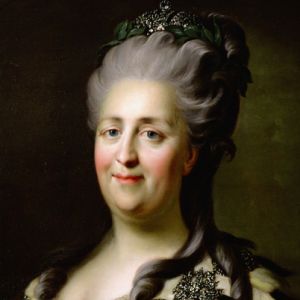
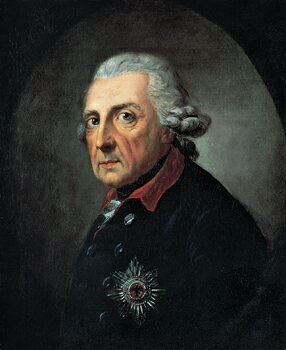
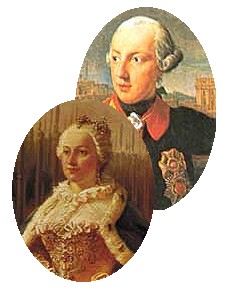
9. Edmodo Post: Who came closest to achieving "enlightened despot" status? Defend with evidence. (should be between 300-400 words)
10. Edmodo Post: Respond to at least 2 of your peer's posts (may not be the same as any of the above).
Conclusion
The Enlightenment or Age of Reason changed how people viewed their government and their role in it. The Fantastic Four set in motion ideas and ideals that shaped the creation of the United States, sent France into a revolution and still influences governments today.

Credits
Enlightenment Rap by Trevor Hooten
Original WebQuest rubric by Bernie Dodge.
Teacher Page
CCSS standards covered:
CCSS RH.9-10.3 - Analyzing a series of events described in a text and determine whether earlier events caused later ones or simply preceded them.
CCSS WHST 9-10.1 - Write arguments focused on discipline-specific content
CCSS WHST 9-10.7 - Research project to answer a question
CCSS WHST 9-10.9 - Draw evidence from texts tos upport analysis & reflection
Final product = DOK 4: Design, Apply Concepts, Analyze, Create & Prove