Introduction
This short presentation was created to educate you on the highly contagious, viral disease called Varicella (better known as the Chickenpox). So what causes Chickenpox you ask? Well! Chickenpox is caused by the caricella-zoster virus (VZV) and did you know that you are more likely to get the chickenpox in winter and early spring? However, have no fear if you have never had chickenpox because you can be immunised, which means you'll be less likely to get the chickenpox.
Immunisation is a substance containing dead or weakened pathogens (little bits of the chickenpox) that is introduced into the body to increase immunity (less likely to get the disease).
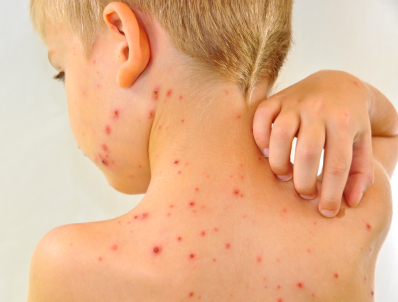
Unfortunately while you have the chickenpox, you won't be allowed to attend school or return until your last blister has dried. It is important that if you do get the chickenpox to tell your teacher or school as many children are not immunised and they are at risk.
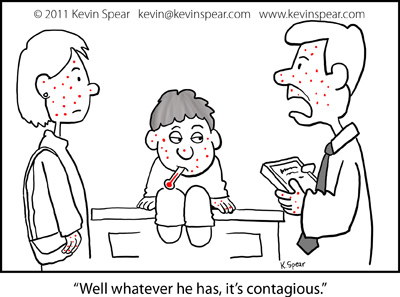
If you feel any of these symtoms you should tell your teacher/school staff immediately:
- low-grade fever
- general discomfort, illness or lack of wellbeing (malaise)
- intensely itchy skin rash – appears as small blisters surrounded by irregularly-shaped patches of inflamed skin known as ‘dew drop on a rose petal’ (blisters first form on the body and later on the head and limbs and the blisters usually burst and develop crusts after about five days)
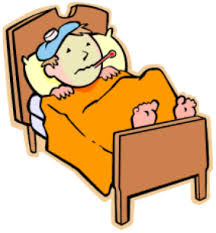
Depending on the severity of your chickenpox treatments you might need are:
- bed rest
- extra fluids to drink – to avoid dehydration
- paracetamol to bring down the fever – aspirin should be avoided because of a possible increased risk of complications
- lukewarm baths with baking soda or oatmeal added to the water – a cup of oatmeal can be put into an old, clean pair of panty hose, then tied and left in the bath while the water runs
- cream, such as calamine lotion, to reduce the itching – if you have a skin problem like eczema, you may need to ask a health professional about other creams you can use
- avoidance of salty or citrus foods
- You might wear mittens to prevent scratching
If you experience the symptoms of chickenpox and you or your family require assistance you can contact:
- Your doctor
- In an emergency, always call triple zero (000)
- Emergency department of your nearest hospital
- Local government immunisation service