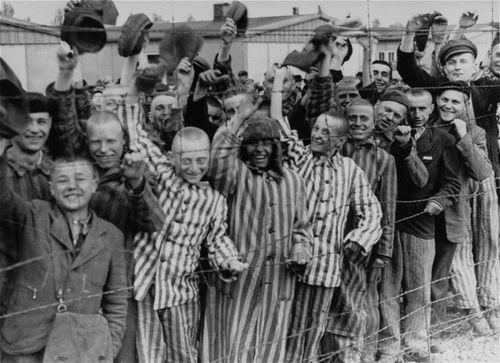
Introduction
According the dictionary, HOLOCAUST is an ancient religious sacrifice specialy among jews in wich a victim was totally burned.
Now a days it word is used name the events during the second world war against the jews.
Task
1. Concentration Camps
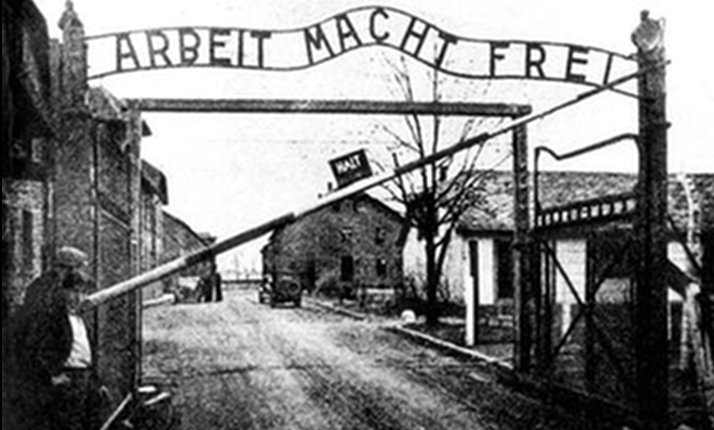
(Work makes you free)
In first time, it´is necessary say that nazi germany was not the first to build concentration camps, through history lots of army´s has created this kind of camps to detain war prisoners or political prisoners.
The first Nazi concentration camp was erected in 1933 after Hitler became chancellor.
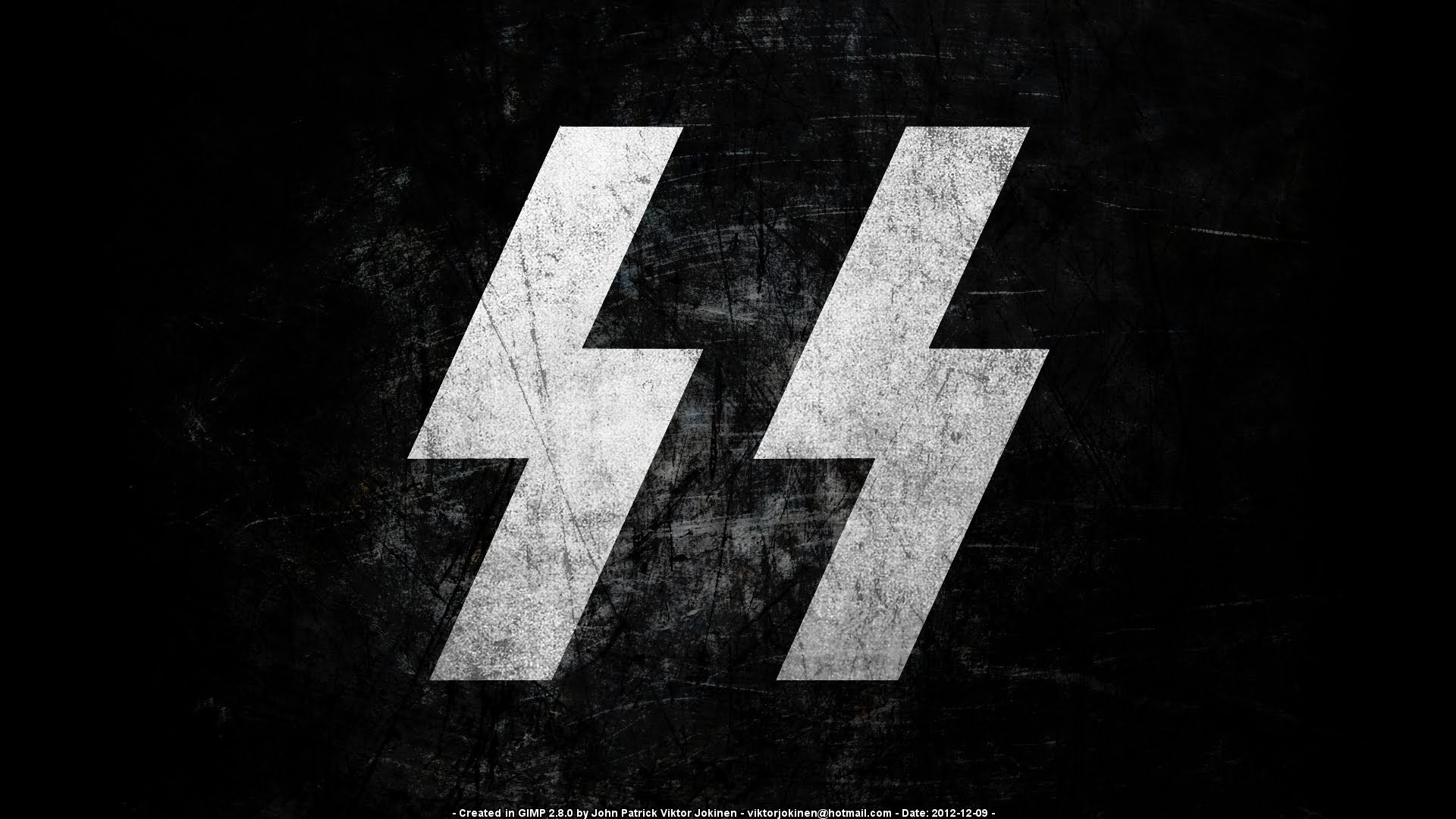 The concentration camps were administered since 1934 by concentration camps inspectorate wich in 1940 was merged into SS-Wirtschafts-Verwaltungshauptamt (SS Main Administrative and Economic Office).
Most of the prisoners in the first concentration camps were German Communists, Socialists, Social Democrats, Gypsies, Jehovah's Witnesses, homosexuals, Christian clergy, and people accused of "asocial" or abnormal behavior. Special teams named "units of the skull guarded de camps and competed among them to prove who was the most cruel with the psisoners.
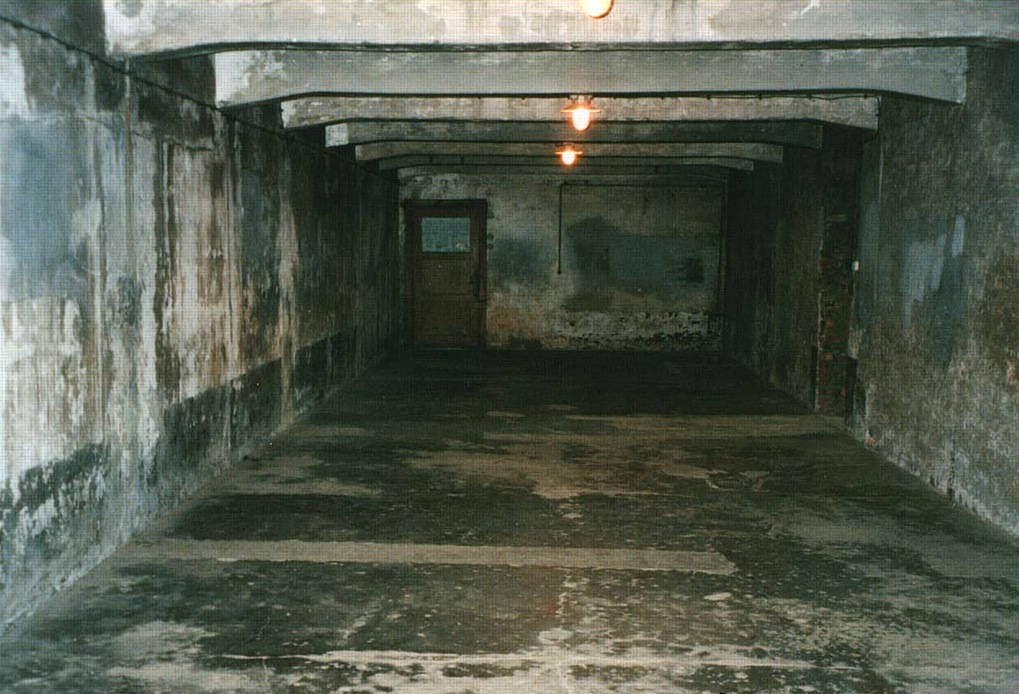 To facilitate teh "final solution" nazis created extermination camps in wich gypssies and jews were gassed. The Nazis built gas chambers to increase the efficiency of the process and to make it more impersonal for the executioners. At Auschwitz, the Birkenau extermination camp had four gas chambers. At the end of the deportations, up to eight thousand Jews were gassed every day.2. World War II in Europe
 Germany started World War II by invading Poland on September 1, 1939. Britain and France responded by declaring war on Germany on September 3. Within a month. Poland was defeated by a combination of German and Soviet forces and was partitioned between Nazi Germany and the Soviet Union.
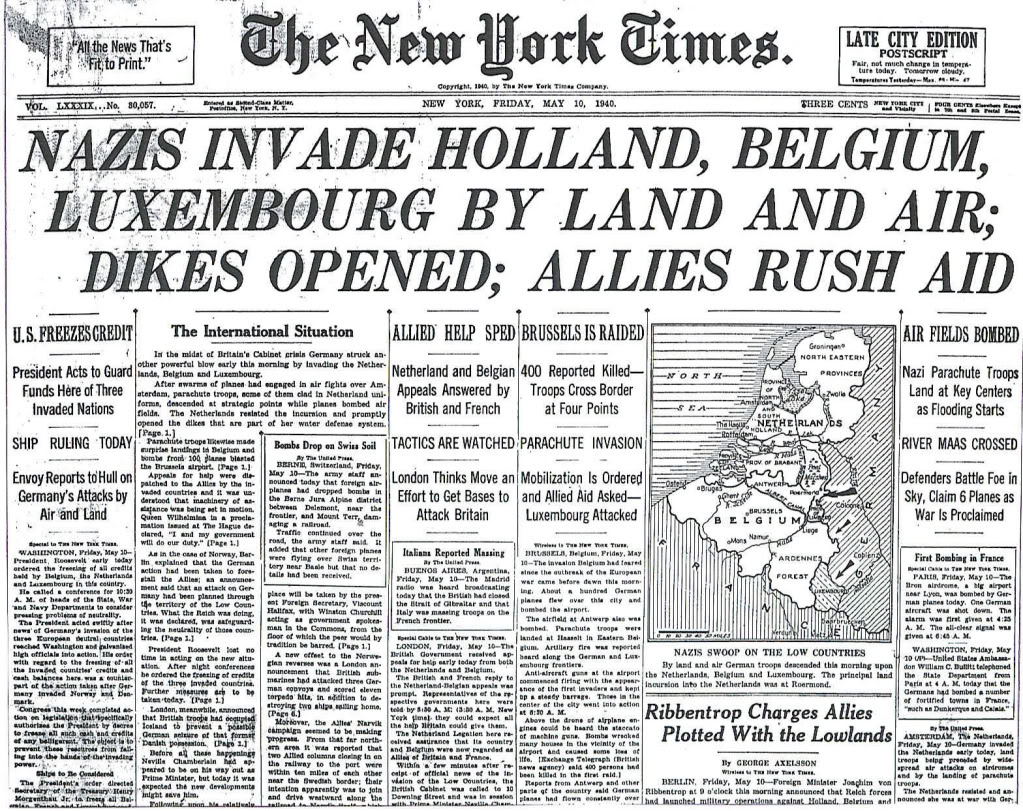 On May 10, 1940, Germany began its assault on western Europe by invading the Low Countries (Netherlands, Belgium, and Luxembourg), which had taken neutral positions in the war, as well as France.
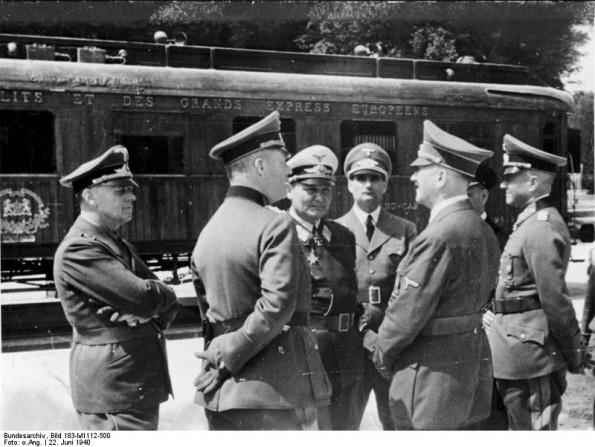 On June 22, 1940, France signed an armistice with Germany, which provided for the German occupation of the northern half of the country and permitted the establishment of a collaborationist regime in the south with its seat in the city of Vichy.
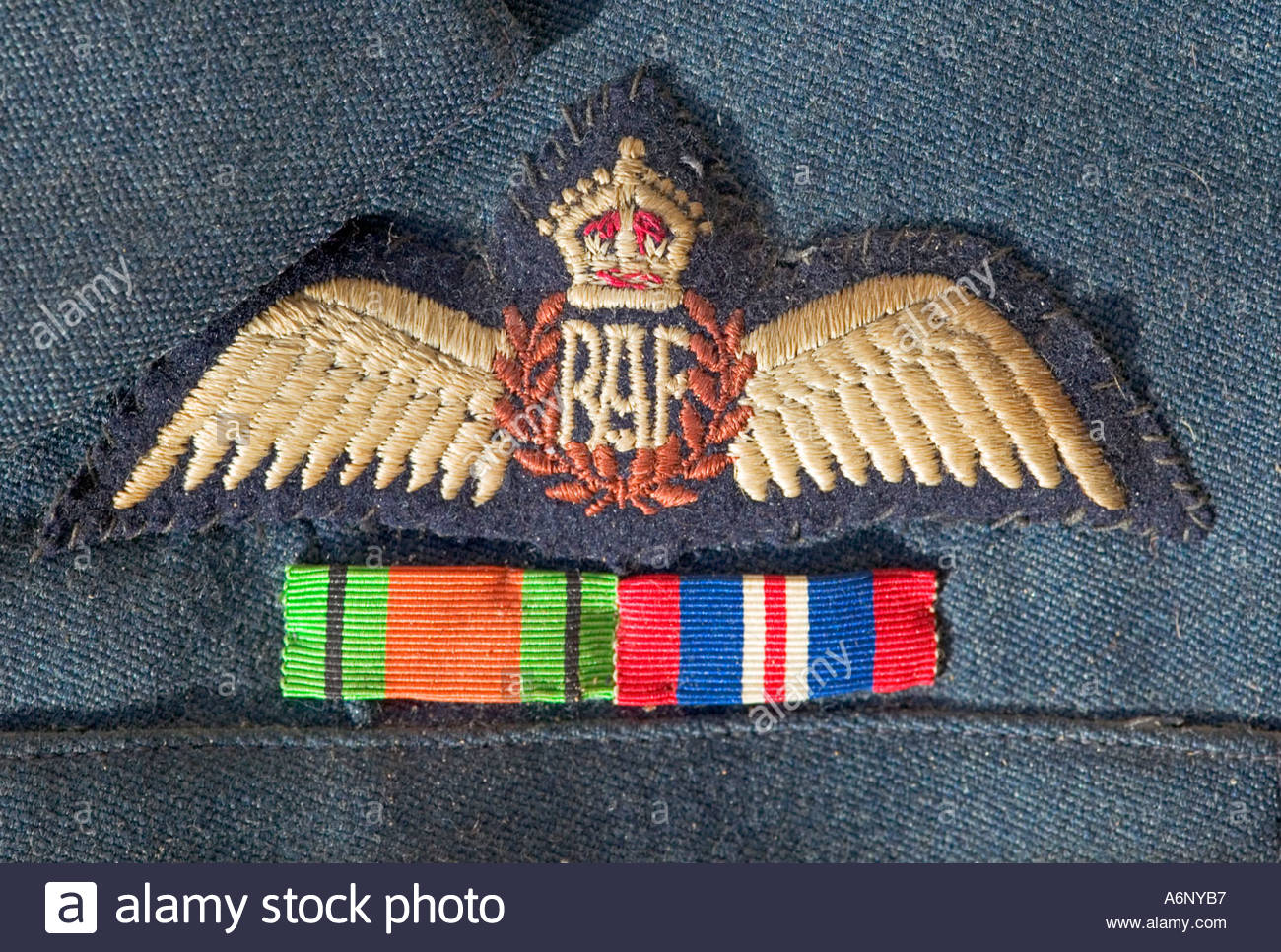 In May 1942, the British Royal Air Force carried out a raid on the German city of Cologne with a thousand bombers, for the first time bringing war home to Germany. For the next three years, Allied air forces systematically bombed industrial plants and cities all over the Reich, reducing much of urban Germany to rubble by 1945
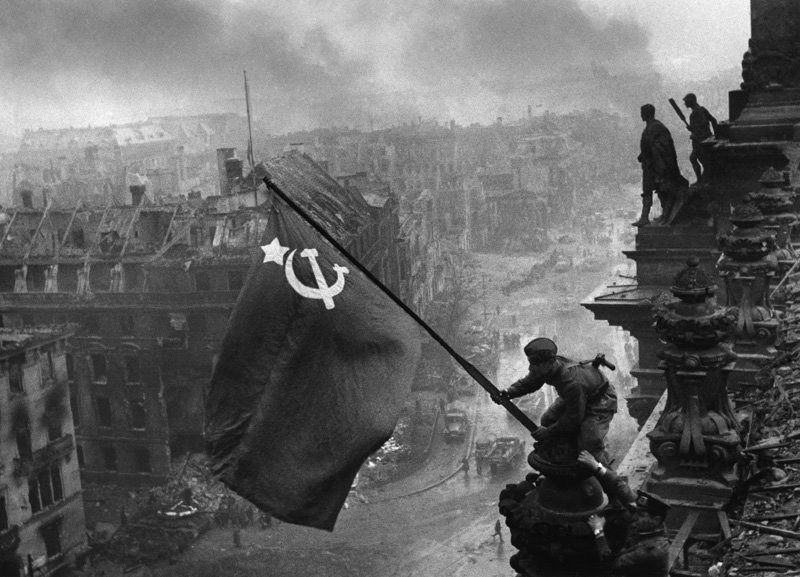 On the eastern front, during the summer of 1942, the Germans and their Axis allies renewed their offensive in the Soviet Union, aiming to capture Stalingrad on the Volga River, as well as the city of Baku and the Caucasian oil fields. In November, Soviet troops launched a counteroffensive at Stalingrad and on February 2, 1943, the German Sixth Army surrendered to the Soviets.
 _0.jpg) On June 6, 1944 (D-day), as part of a massive military operation, over 150,000 Allied soldiers landed in France, which was liberated by the end of August.
On June 6, 1944 (D-day), as part of a massive military operation, over 150,000 Allied soldiers landed in France, which was liberated by the end of August.
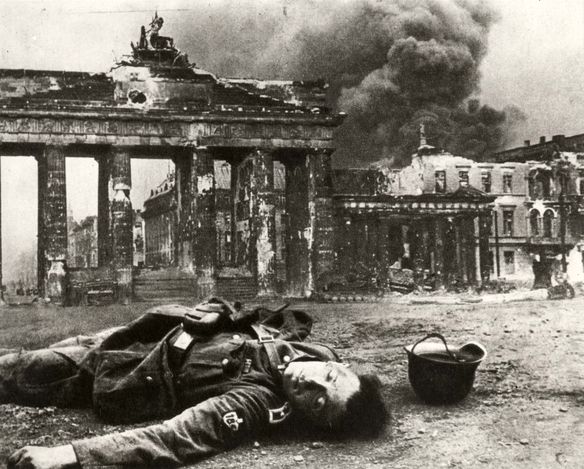 The Soviets began an ofensive on January 12, 1945, liberating western Poland and forcing Hungary to surrender.
In mid-February 1945, the Allies bombed the German city of Dresden, killing approximately 35,000 civilians. American troops crossed the Rhine river on March 7, 1945.
A final Soviet offensive on April 16, 1945, enabled Soviet forces to encircle the German capital, Berlin.
3. Ghettos
The term "ghetto" originated from the name of the Jewish quarter in Venice, Italy. Venetian authorities compelled the city's Jews to live in the quarter, which was established in 1516.
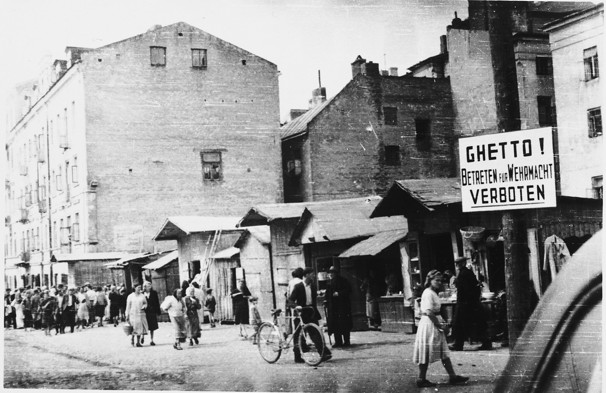
During the holocaust, the creation of ghettos was a key step in the Nazi process of separating, persecuting, and ultimately destroying Europe's Jews.
German occupation authorities established the first ghetto in Poland in Piotrków Trybunalski in October 1939.
_77.jpg) The vast majority of ghetto inhabitants died from disease or starvation, were shot, or were deported to killing centers. A ghetto police force enforced the orders of the German authorities and the ordinances of the Jewish councils.
The vast majority of ghetto inhabitants died from disease or starvation, were shot, or were deported to killing centers. A ghetto police force enforced the orders of the German authorities and the ordinances of the Jewish councils.
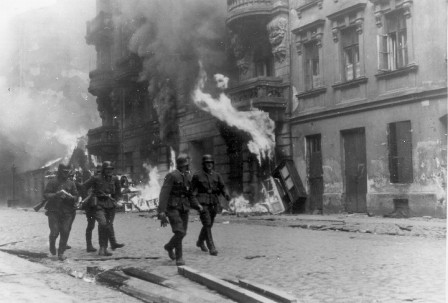 Jews were deported to killing centers. German SS and police authorities also deported a small minority of Jews from ghettos to forced-labor camps and concentration camps.
4. Liberation of Nazi Camps
Soviet forces were the first to approach a major Nazi camp, reaching Majdanek near Lublin, Poland, in July 1944.
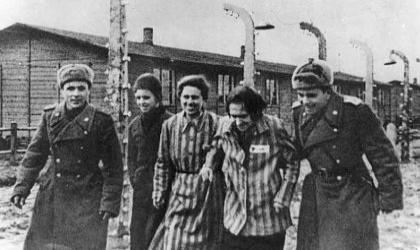
The Soviets liberated Auschwitz, the largest killing center and concentration camp, in January 1945.
There was abundant evidence of mass murder in Auschwitz. The retreating Germans had destroyed most of the warehouses in the camp, but in the remaining ones the Soviets found personal belongings of the victims.
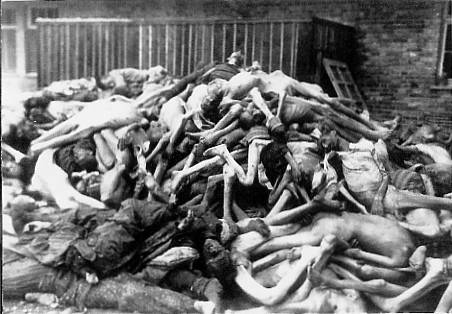
In the following months, the Soviets liberated additional camps in the Baltic states and in Poland. Shortly before Germany's surrender