
Introduction
Introduction

In 1877 a compromise between the Democratic and Republican parties was reached, Rutherford B. Hayes would become the 19th president of the United States of America. This was a monumental decision as it officially ended the era of Reconstruction and sentenced the United States to nearly 100 years of legal prejudice and racism; the effect of which is still felt today.
Task
Task

Today, you will research and read about the Jim Crow era and then answer 10 questions. The goal is to get a real idea of what it was like to be an African-American during this period of American History.
Process
Before we get started, click on the picture or Rutherford B. Hayes below to watch a video that explains the Compromise of 1877...the catalyst for the Jim Crow era and the century of legal racism that would follow.
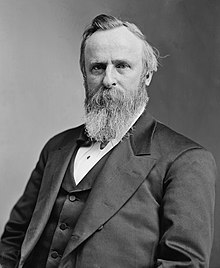
Rutherford B. Hayes
Now.....
You will begin your research of the Jim Crow era. To read the necessary documents click on the questions (they're hyperlinked) once you read the document answer the question. Happy Researching!
(To answer questions 2-5 you only need to use the website hyperlinked to question 1)
2. Explain the "Grandfather Clause" and how it effected African Americans.
3. What are 4 ways people were kept for voting in the Jim Crow south?
4. When were African Americans granted the right to vote? What piece of legislation granted them this right?
5. Did voter restrictions only effect African Americans? If they didn't, in your mind which ways could they have affected other races?
9. List 5 Civil Rights Activists and their place of birth
10. Why was the Civil Rights Act such a monumental piece of legislation? When was it passed?
Evaluation
Standard USHC-3: The student will demonstrate an understanding of how regional and ideological differences led to the Civil War and an understanding of the impact of the Civil War and Reconstruction on democracy in America
j.jenkins/ EDCIU300/WebQuest