
Introduction
WELCOME
Being able to read music requires an understanding of note values.
Each note has a specific duration that lets a musician know how long it should be played.
Note values determine the rhythm of a song, and add color and variety to musical selections.
On your webquest, you will discover the values of specific notes and learn to mix and match the notes to create various rhythm patterns.
Task
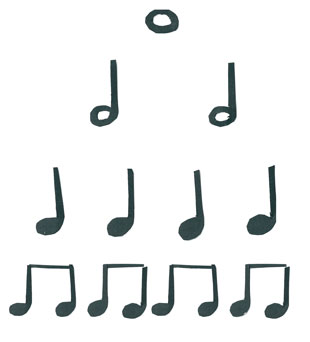
- SWBAT draw a note symbol to represent it's corresponding value
- SWBAT identify the name and value of each note
- SWBAT create their own rhythms using various music notes
- SWBAT accurately perform written rhythms
Process
- SW go to the following page: http://www.essential-music-theory.com/music-note.html and use the information provided to answer the following questions:
How many beats does a whole note get?
How many beats does a half note get?
How many beats does a quarter note get?
How many beats does a sixteenth note get?
- SW practice clapping rhythms that teacher demonstrates
- TW write the rhythms that students clap
- SW practice writing the rhythms that other students clap
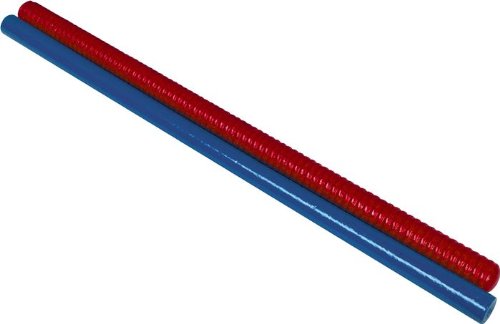
- Students will create their own rhythms and perform them using rhythm sticks.
- Students will play Music Note Value game for additional practice and to reinforce their learning http://musicteachersgames.com/orphanage1
Evaluation

Students will be evaluated on:
whether or not they use the correct note symbol to represent the corresponding value.
whether they are able to identify the name of each note symbol
whether they are able to accurately perform their written rhythms using music note symbols and values
Conclusion
Music is a form of cultural expression that conveys emotions, values, feelings, experiences, and adds color to our lives. Knowing the values of various notes helps us produce and perform rhythms that add life and depth to songs.
Credits
Credit for Note Value Chart:
Teacher Page
Ms. Alston loves and values music, and hopes that you do too!