
Introduction
Wouldn't it be exciting to travel back in time and learn about our past?
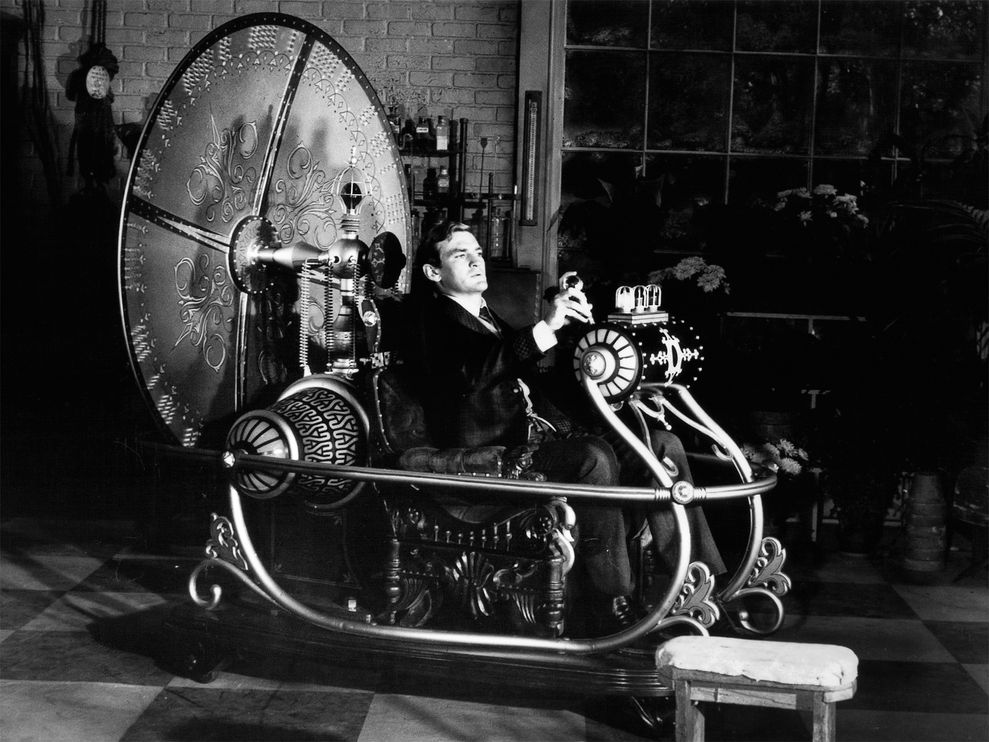
This will be the only chance you will have to meet Shakespeare, find out more about the legend of Saint George, celebrate World Book Day on April 23…
Task
23 April 1616. United Kingdom. You are the journalist of a newspaper and you must learn about the most outstanding events that took place during Shakespeare's life in order to create and release a newspaper and inform today's readers about one of the most exciting and interesting times in British history.
Process
As you already know, you have to pretend to be a journalist so as to design the special issue of a newspaper, highlighting the most outstanding facts of the period in which Shakespeare lived.
The newspaper that you will create must include the following sections:
- Editorial
- UK overview
- Royal News
- Culture
- Education
- Science
- Technology
- Politics
- World Book Day
You will work in pairs (7 x 2) and teams of three people (2 x 3). Each pair or team will be in charge of a different section. In order to complete this WebQuest assignment, you will have to produce the following pieces of work:
1. A printed newspaper (group project)
2. Written articles (individual and cooperative work)
3. A webpage (or blog)
4. An oral presentation of team work to class
To do so, you will follow several guidelines. Nevertheless, it is advisable for you to have a look at the 'Evaluation' section in order to know exactly how you will be assessed and what you will be graded on.
Procedures
1. Choose a team (you will share two computers during the project) or classmate with whom you work well as you will have to help each other throughout your learning process.
2. Choose a section of the newspaper (find an adequate name for it and decide the article that each of you will be in charge of).
3. Surf the Net to gather information and pictures on the most remarkable events corresponding to your section.
4. Choose an appropriate headline once you have decided the events or facts that you will write about.
5. Write your article (each student will write his or her own article). Once you have finished it, hand it in to the editors (other members of the group) for approval.
6. Create your own website (or blog, if it is easier for you) with the articles of your section.
7. Oral presentation (each team will present their section orally in front of the class, using a PowerPoint presentation). Pay attention to your classmates while they are presenting their articles as you will have to evaluate them, using the 'Two stars and a wish' peer-assessment technique.
8. Self-evaluate your work and peer-assess your team members.
9. Once the presentations are done, decide collectively the layout of the newspaper. Then, print it at school.
10. The newspaper will be displayed in the language classroom as part of a cross-curricular project.
Evaluation
Before you begin any of the tasks, please be aware of the way you will be assessed:
- Self-assessment: strengths and weeknesses.
- Cooperative work (by other members in the team): strengths and weaknesses.
Despite the fact that the teacher will have a look at your assessment sheets, she will respect your decisions. Nevertheless, she will also evaluate each student and team.
Assessment
- Students: written article, oral presentation, creativity and participation in class discussions.
- Teams: balanced discussion, organisation, topic, accuracy, collaboration and interest.
Conclusion
Excellent! You have designed and created a newspaper!
Through this project you have learnt more about the time in which Shakeseare lived, thereby enriching your knowledge on British history and literature. In addition, you have enhanced your team work skills and developed respect for other cultures.
CONGRATULATIONS!
Teacher Page
Introduction
This lesson was designed as a part of a project that will enable students to learn about the history and literature of the countries whose language they are studying. Students will be asked to look for and gather information on the Internet in order to create a newspaper which can inform readers about a certain period of time of British history.
Content Area and Grade Level
This lesson is designed for students in the second year of secondary education which focuses on both English and Literature as well as History. The vast majority of the students possess a good mastery of the English language according to their age and a good command of technology due to the era they live in.
Curriculum standards
Productivity
Students will use technology to maximise productivity and effectiveness.
Students will use technology to enhance their understanding and development of basic skills.
Students will develop strategies for problem solving and critical thinking.
Students will understand the importance of copyright laws and other ethical issues regarding the use of technology in society.
Study Skills
Students shall develop organisation and problem solving skills.
Students shall enhance both autonomous and cooperative learning skills.
Students shall continue to develop necessary to research ideas from resources such as books, newspapers and the Internet.
Students shall be able to follow oral and written guidelines.
Computer Skills
Students shall make use of computers for educational and linguistic purposes.
Students will become efficient in the use of ICT.
Thinking Skills
Students shall develop independent critical thinking skills (comparing, inferring, evaluating, decision making and problem solving).
Students shall expand their independent thinking.
Cooperative Learning
Students will develop the necessary skills to work cooperatively.
Students will learn how to compromise with team members.
Learning objectives
Students will:
• Identify and analyse the necessary information.
• Produce a written article about a specific issue, paying attention to content and form.
• Create a website or blog to inform other students about their findings.
• Design, create and print a newspaper.
Materials
- Computers
- Tools for creating websites or blogs (such as blogger)
- Printer
- Projector