
Introduction
Oakmont Park Child Care
The prevention of infectious (or communicable) diseases is a major responsibility of childcare and early childhood professionals. Young children, especially those under 2 years of age, are more at risk of getting infections when they spend time in close contact with other children such as in a long day care centre. Due to the large numbers of infants and young children mixing together at a stage of life when they are least able to fight off an infection.
Within the last month we have noticed a rise in the amount of cases of head lice and a nasty strain of Whooping Cough.
This Webquest has been designed to educate the staff of Oakmont Park Child Care on the effects of these diseases and to revaluate the preventative strategies and procedures. After completing this Webquest our child care staff will be able to implement these infectious control practices in a ways that is developmentally appropriate to the ages and stages of the children thus making these practices valuable learning experiences.
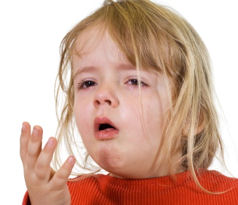
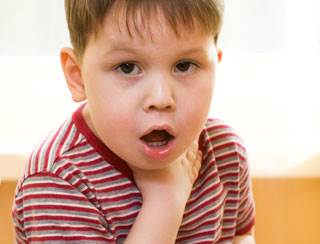
.jpg)
Task
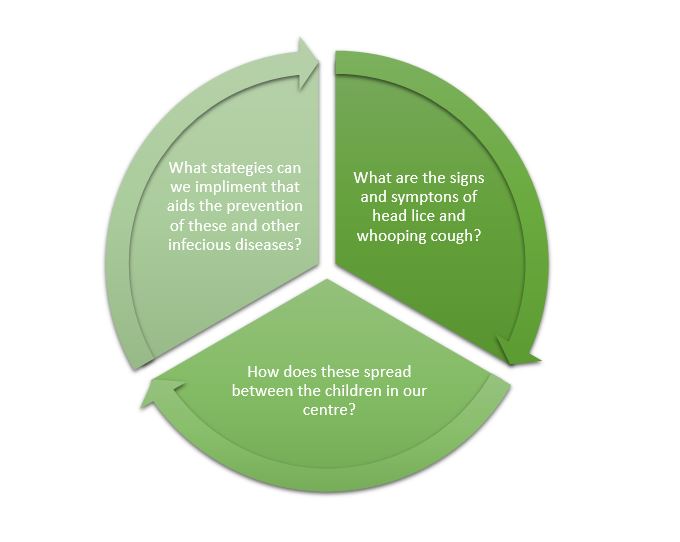
Oakmont Grammar has put this WebQuest toegther to help you understand and explore the headlice and whooping cough.
We will explore these in detail with the help of this chart. This will be our guide through this Web Quest and by the end we hope that you will be able to answer each other these questions.
Process
Whooping Cough and Head Lice
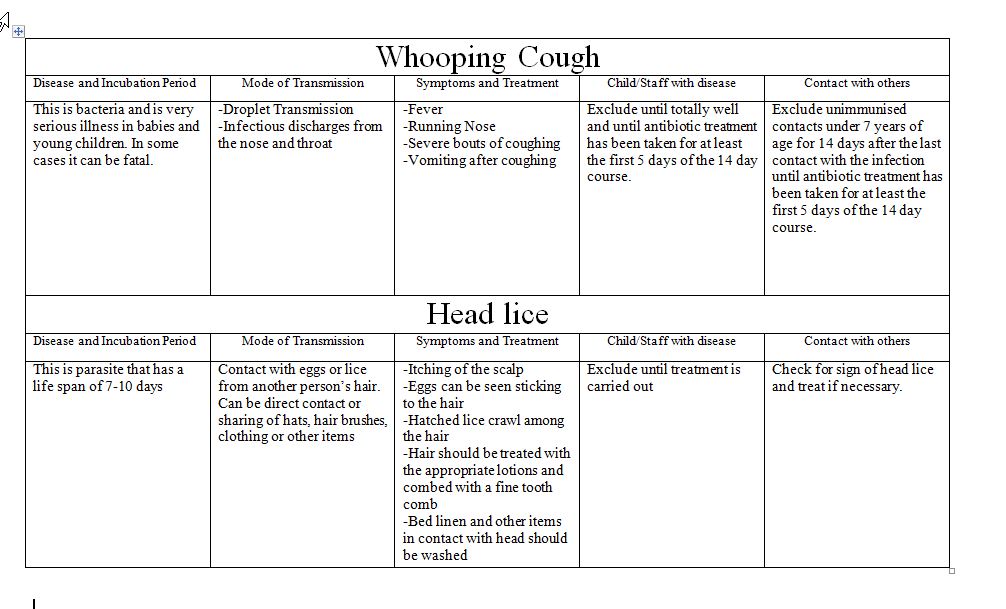
In this table you will find the following details of both of these Infectious Disease
Please read over these in groups of two to three and write down any circumstances that you have been faced with these. Its important that we can learn from our mistakes, so it's important to acknowledge how you dealt with the times you can in contact with these.
Perhaps ask yourself, did I take all the right precausions and procedures in stopping the spread of this.
Within your table group you will be given a piece of A3 paper and some markers. It is your task to create an action plan for our centre when it comes to Whooping Cough or Head Lice. Use the information provided in the table and the addition resource links that you will find below the table.
These will use put up in our staff rooms as a reminder for our staff that the spread of infectious diseases can be prevented if we take the right action.
Here are some useful websites and video links that might help with your research
New South Wales Health
http://www.health.nsw.gov.au/Infectious/whoopingcough/Pages/Information…
Centers of Disease Control and Prevention
http://www.cdc.gov/pertussis/about/prevention/index.html
Youtube Videos
What is Whooping Cough? https://www.youtube.com/watch?v=84JvqZbnwiQ
What is Head Lice? https://www.youtube.com/watch?v=Mlj2FrOqeHE
Victorian Department of Health
http://health.vic.gov.au/headlice/
http://www.health.vic.gov.au/headlice/childcare.htm
Department of Health and Families
http://health.nt.gov.au/library/scripts/objectifyMedia.aspx?file=pdf/10…
Evaluation
YOU'RE ALMOST THERE!
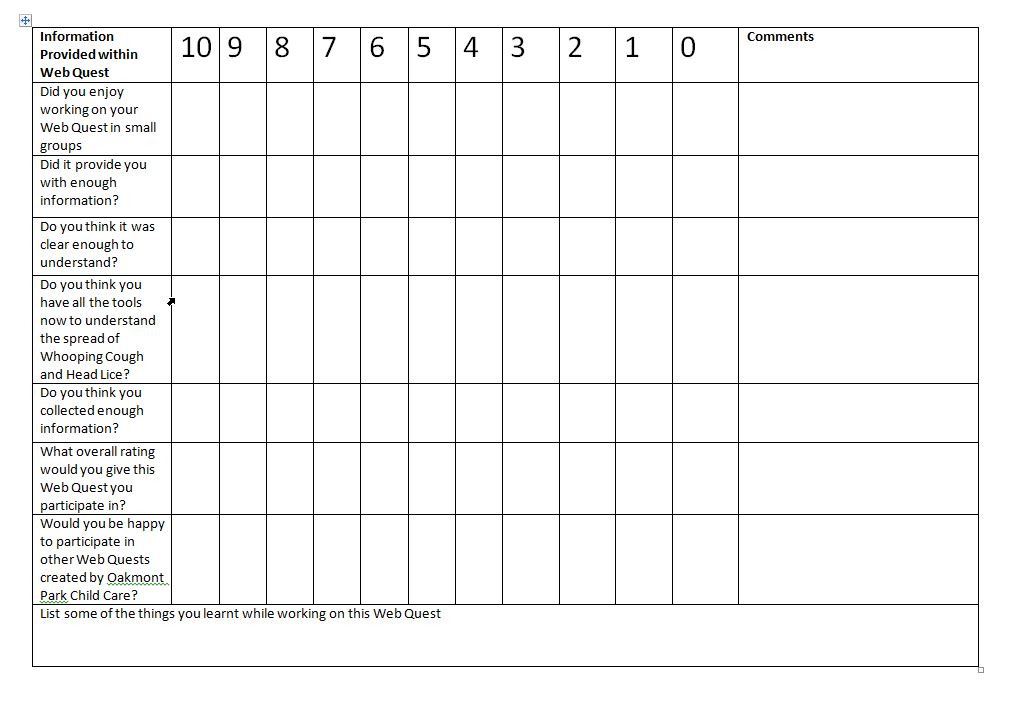
Thank you for all of your hard work so far. Since we are almost at the end of our Web Quest it's time to evaluate what you have taken away from this. Below you will find a rubric with questions and a rating system of your experience with this Web Quest. Self Assessment is the best tool of see what you have taken away from a learning experience, so please answer these truthfully.
You will find copies of these on your table groups, other wise you may like to write your reponses down on a piece of blank paper using these questions.
Conclusion

Congratulations! You have finished!
You have now reached the end of this prevenative webquest for the staff of Oakmont Park Child Care.
We would like to thank you for your participating in this Web Quest. It is vital that we can do all we can to stop the spread of any infectious disease that enters our Child Care rooms. We owe it to the families of our children to be up to date with prevention stategies and well
If you have any futhure questions or concerns please do not hesitate to contact Sam Schubert, Centre Manager for further information.
Credits
We would like to acknowledge the following resources that helped us put together this webquest
Berk, L (2008). Infants. Children and Adolescents. Boston. MA: Pearson Education Inc
Mathews, C. (2007) Healthy Children. Marrickville, NSW: Elsevier Australia