
Introduction
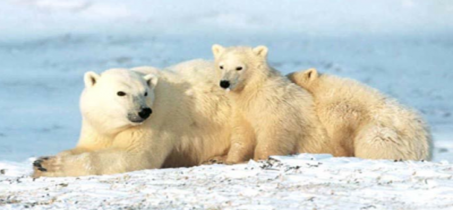
Polar Bears are an important animal to study and research. It is important that we recognize the polar bear and the threats that humans are causing to them. Every 10 years, 10% of their population disappears. We need to learn about these majestic mammals and see what we can do to help them.
Task
As a polar bear researcher, Your job will be to...
Read the material from the webpages on the "Process" page. Take notes of the important and interesting facts. Do not write down complete sentences! If you write the same sentence the author uses, you are copying their work, and that is called plagiarism.
After taking notes, organize your notes into boxes and bullets (headings and facts).
Finally, turn your boxes and bullets into paragraphs.
Your end product will be a report on polar bears. 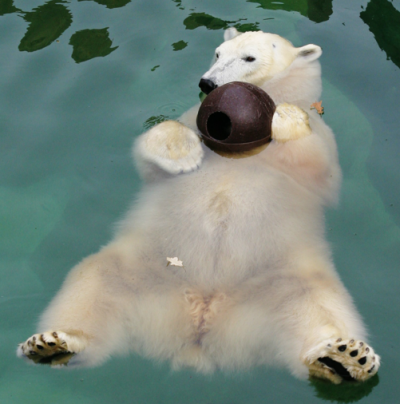
Process
Follow these steps to find information about polar bears.
1. Go to the Polar Bears International website to learn about polar bears. Write down key facts. Do not write down full sentences (plagiarism).
2. Next, look through some of the categories listed below and continue to write down important facts.
What are polar bears?
Polar Bear Names
Myths and Misconceptions
Characteristics
Habits and Behavior
Adaptation
Conservation
Human Interaction
3. Watch some video’s on polar bears to learn about their young.
4. Do you want to do your part in helping to save the polar bears? Read about a contest you can participate in to help the polar bears!

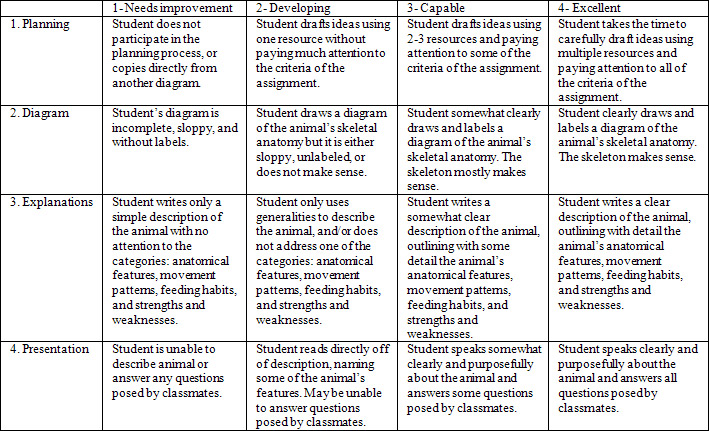
Evaluation
Conclusion
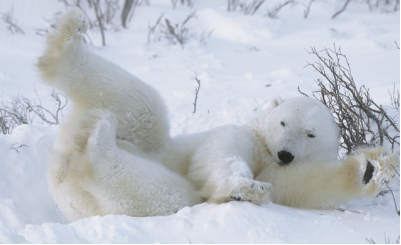 Congratulations! You have gathered information on polar bears and have written a report. Please Self edit your report, then, share your report with your parents, friends and teacher. Don't forget to help the polar bears!
Credits
Credits
Polar Bear Picture: Welcome Page
Polar Bear Picture: Introduction Page
http://www.google.com/imgres?q=polar+bears
Polar Bear Picture: Task Page
Teacher Page
Standards
W.4.2: Write informative/explanatory texts to examine a topic and convey ideas and information clearly.
a. Introduce a topic clearly and group related information in paragraphs and sections; include formatting (e.g., headings), illustrations, and multimedia when useful to aiding comprehension.
b. Develop the topic with facts, definitions, concrete details, quotations, or other information and examples related to the topic.
c. Link ideas within categories of information using words and phrases (e.g., another, for example, also, because).
d. Use precise language and domain-specific vocabulary to inform about or explain the topic.
e. Provide a concluding statement or section related to the information or explanation presented
[img_assist|nid=31239|title=teacher|desc=|link=none|align=left|width=401|height=293]