
Introduction
The 2030 Agenda for Sustainable Development
is an action programme for people, planet and prosperity signed in September 2015 by the governments of the 193 ONU member states. It incorporates 17 Sustainable Development Goals - Sustainable Development Goals, SDGs - into a grand programme of action with a total of 169 'targets' or goals.
Our focus will be on:

Click on the link
to find out more about the goal and its plans by 2030:
https://prezi.com/p/edit/xpidogvekpvx/
Task
Process
OBJECTIVE 3: Ensuring health and well-being for all ages.
HIV/AIDS, malaria and other diseases
Worldwide, adolescents and young women are victims of inequality, exclusion, discrimination and gender-based violence, which puts them at greater risk of HIV. By 2030, end AIDS, tuberculosis, malaria and neglected tropical diseases is the main objective. Also combat hepatitis, water-borne diseases and other communicable diseases, reduce premature mortality from non-communicable diseases by one third through prevention and treatment and promote well-being and mental health. By 2030, ensure universal access to sexual and reproductive health care services, including family planning, information, education and the integration of reproductive health into national strategies and programmes. Achieve universal health coverage, including protection against financial risks, access to quality essential health care services and secure, effective, quality and affordable access to basic medicines and vaccines for all.
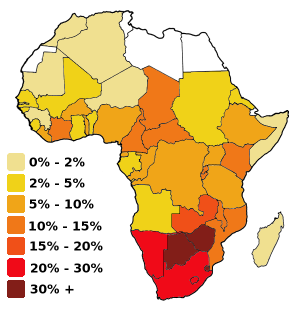
To support research and development of vaccines and medicines for communicable and non-communicable diseases that mainly affect developing countries; to provide access to essential and affordable medicines and vaccines, in accordance with the Doha Declaration on the TRIPS Agreement and Public Health, which affirms the right of developing countries to make full use of the provisions of the Agreement on Trade Aspects of Intellectual Property Rights containing the so-called "flexibility" to protect public health and, in particular, provide access to medicines for all.
https://temi.camera.it/leg19/agenda/salute-e-benessere/3-salute-e-benes….
Improving early childhood development
The Nurturing Care Framework is a roadmap for action, to help children survive and thrive to transform health and human potential. WHO’s Child Health and Development Unit develops guidelines and implementation tools to support the nurturing care agenda. It also works with governments to strengthen policies and services so that they deliver essential interventions with quality and equity, and support caregivers to provide nurturing care. And it is an active contributor to the Nurturing Care Partnership that facilitates the exchange of information, experiences and lessons learnt.
In 2020, WHO issued the first guideline that was specifically related to early childhood development. The guideline provides global, evidence-informed recommendations on improving early childhood development through interventions that support responsive caregiving and early learning. Evidence shows that early childhood development is an outcome of healthy, nurturing interactions between caregivers and children, and as such, the guideline focuses on the needs of both the caregivers and young children. The guideline, intended for a wide range of stakeholders, also recommends integrating caregiving and nutrition interventions and supporting mental health.
Evaluation
With the help of google form we tried to tried to create a quiz that was stimulating and compliant with data collected.