
Introduction
What Is Close Reading/Annotating?
Close reading, sometimes called annotating, is when someone reads a written work and dissects it at a greater level than what they usually would. The dissection is done by writing notes about the piece in the margin, as one usually dissects paragraphs or chunks of the text.

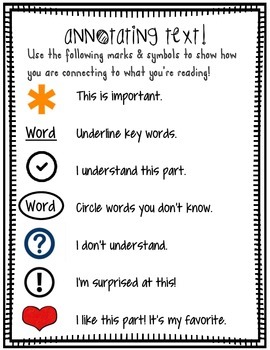
Everyday, people do a close reading to examine a written work further. By doing a close reading, one can better understand the points someone is trying to get across. In terms of literary works, one might try and understand the theme or message by doing a close reading/annotating. Below, are keys symbols that you should use when close reading.
Task
Examine This Passage
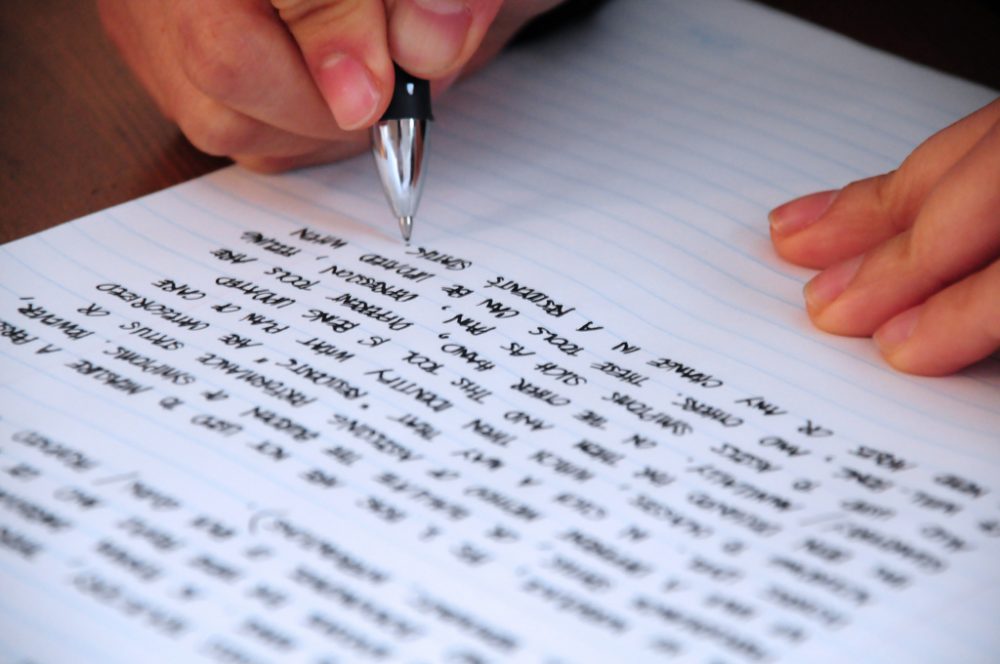
Today, we will be working with this short story passage to further practice our close reading/annotating skills. For this task, you will need a writing instrument and a piece of notebook paper to take notes on about the passage.
KEY THINGS TO IDENTIFY:
1. The overall theme of the story.
2. Where the story takes place.
3. What kind of emotions of the narrator's can you identify?
4. In paragraph three, what is the meaning of the words spoken to Sir Cartier?

Process
Watch This Video On Close Reading/Annotating
Pick Your Own Story and Annotate
Now that you know what close reading/annotating is, and even examined a passage, I want you to pick a short story of your own from the textbook provided in the classroom. Using the symbols that I gave you in the introduction, use a piece of paper and take notes on said story, then turn it in.
Evaluation
I will be assessing my students with four topics on a rubric, when it is made. The points will range from 1, 2, and 5. The rubric will be out of a full 20 points.
The Four Topics
1. Using the symbols.
2. How well they understood the key elements I outlined.
3. Any additional information they wrote down from their close reading under the task tab.
4. Did the student take what they have learned and properly apply it to the short story they chose.
Conclusion
A Reflection on Close Reading/Annotating
As you can see, close reading is highly beneficial to you in order for you to understand the full depth of a story. Close reading/annotating is something you will most likely do a lot from now on. And, you may even begin to do it in your mind next time you read a story. It is important to understand that when you have close read or annotated a passage either on paper or in your mind, you have dissected the story in order to make sense of all the moving parts.