
Introduction
Did you know that some things can change when they are heated or cooled? As you explore this WebQuest, you are going to learn about the properties of substances and how they change when they are heated or when they are cooled. Will they be forever changed? Or can they go back to their original state? Start the quest to learn more!
As you complete the WebQuest, you will complete the substance changes concept map.
Task
With a partner, you will complete the tasks within the WebQuest. Your goal is to lean more about substance and property changes. As you are completing the WebQuest, make sure you are filling out the graphic organizer that goes along with it! Once you have completed the WebQuest and the graphic organizer, you will answer questions on the topic so be sure to read carefully and pay close attention to the video!
After you have learned all about substance and property changes, you will return to your desk, where you will partake in an experiment!
Process
What Happens to Substances When They are Heated or Cooled?
A substance is a specific kind of material. Properties are things about a material that you can see, hear, smell, taste, or feel.
Properties of substances may change after the substances are heated or cooled and returned to their original temperature, or some substances may change back to the way they were before they were heated or cooled. When a substance can be returned to its original properties, this is called a reversible change. When a substance can not be returned to its original properties, this is called a non-reversible change.
Here is a video you and your partner will view about changes that occur when materials are heated or cooled. Make sure you are paying close attention to the video because you will have questions to answer soon!
Here is a website for you to gain more knowledge on changes caused by heating and cooling. When you click on the link, scroll to the section labeled Changing by Heating Cooling and read that section of the article. Once you have read the section, return to the WebQuest to to put your knowledge to the test!
https://kids.britannica.com/kids/article/reversible-and-irreversible-changes/632995
Visit this website to test your knowledge on reversible and non-reversible changes. Simply click a blue square, determine whether the change is reversible or non-reversible, and then click check to see if your answer is correct.
https://www.baamboozle.com/classic/132639/1
Click on the link to the google form where you will answer questions about what you have learned. You may use the information from the WebQuest to help you complete the quiz.
Evaluation
Now that you have learned about reversible and non-reversible changes, it's time to complete the experiment! Before you begin, be sure to turn in your graphic organizer.
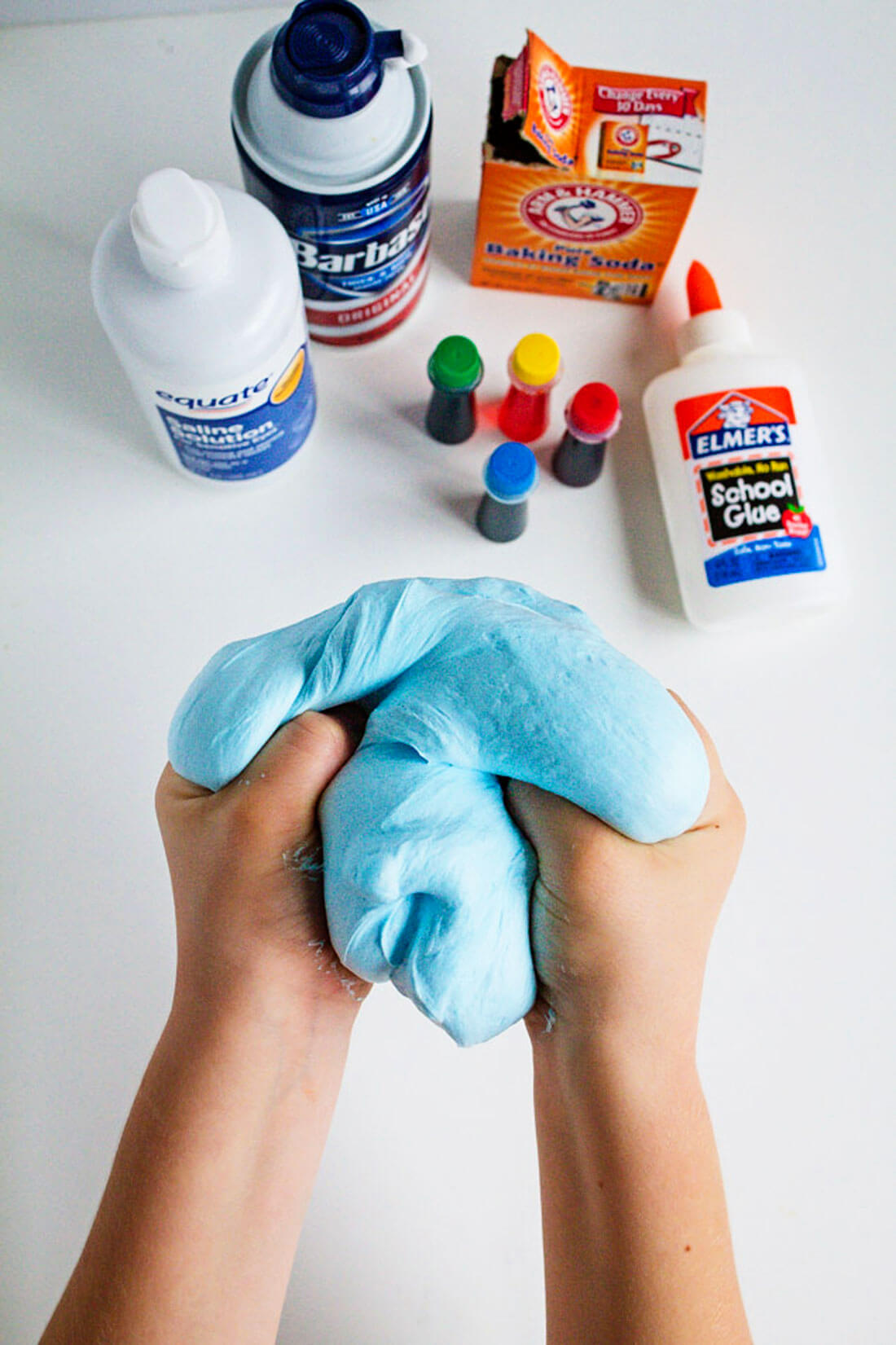
The first step is to clear your desk. You and your partner will then come to me to collect the supplies. You will each be partaking in a non-reversible change by making slime! Slime is a non-reversible change because once you have mixed the ingredients, they can not be separated. Follow the directions on the direction sheet I have given you to make sure your slime comes out correctly! Have fun!
Conclusion
Congratulations everyone! You have completed your WebQuest on reversible and non-reversible changes! I hope you have learned lots of valuable information!
Credits
Amplify Core Curriculum - login. (n.d.). Learning.amplify.com. Retrieved March 28, 2023, from https://learning.amplify.com/curriculum/#/unit/8a31e0dd4edfc46d014eff38…
Reversible and Irreversible Changes. (n.d.). Britannica Kids. https://kids.britannica.com/kids/article/reversible-and-irreversible-ch…
Reversible and Irreversible Changes. (n.d.). Baamboozle. Retrieved March 28, 2023, from https://www.baamboozle.com/classic/132639/1
Teacher Page
2-PS1-4
Performance Expectation: Construct an argument with evidence that some changes caused by heating or cooling can be reversed and some can not.
Clarification Statement: Demonstrations of reversible changes could include materials such as water, butter or crayons at different temperatures. Demonstrations of irreversible changes could include cooking an egg, freezing a plant leaf, or heating paper.
Disciplinary Core Ideas: Heating or cooling a substance may cause changes that can be observed. Sometimes these changes are reversible, and sometimes they are not. (LE.PS1B.a)