
Introduction
Welcome to this WebQuest created by Rawan Kawtharani!
Learning about stem cells is crucial for anyone interested in the future and innovation. Stem cells were first discovered in the 1960s by Canadian scientists Ernest McCulloch and James Till. They conducted experiments on mice to investigate the formation of blood cells. In their groundbreaking work, they found that a small number of cells in the bone marrow could regenerate blood cells indefinitely. By diving into this WebQuest, you’ll gain valuable insights into the unique properties of stem cells, their various types, and their potential applications in treating diseases. This engaging exploration will not only enhance your knowledge but also empower you to contribute to discussions and innovations in a field that could reshape healthcare as we know it. Join us on this journey to unlock the incredible possibilities that stem cells offer!
Ps: The audience is for high school students in grades 10-12!

Task
For your task in this WebQuest, you will create a PowerPoint presentation about stem cells that highlights their types, functions, and potential applications in medicine. Be prepared to share your findings with the class, as this will help deepen everyone’s understanding of the remarkable role stem cells play in advancing medical science. Aim for at least 10 slides, and make sure to fill your slides with engaging visuals, colorful graphics, and diagrams to enhance your explanations. Let your creativity shine while you educate your peers on this fascinating topic!

Process
1)What are stem cells? and how do they differ from other cell types?
National Institutes of Health. (n.d.). Stem cell basics. Retrieved from https://stemcells.nih.gov/info/basics
2)Why are stem cells important?
Trounson, A., & Thorne, H. (2017). The application of stem cell technology in regenerative medicine. Nature Reviews Molecular Cell Biology, 18(1), 43-62. https://doi.org/10.1038/nrm.2016.116
3)What are main types of stem cells?
Schucht, R., & Boucher, J. (2020). Types of stem cells: A comprehensive review. Stem Cells Translational Medicine, 9(5), 598-612. https://doi.org/10.1002/sctm.19-0396
4) Where can we find stem cells in the body?
Bianco, P., & Robey, P. G. (2015). Stem cells in the real world: A cellular perspective. Nature Reviews Molecular Cell Biology, 16(9), 593-596. https://doi.org/10.1038/nrm.2015.16
5) what diseases can stem cells heal?
Karp, J. M., & Leng Teo, G. S. (2009). Mesenchymal stem cell therapy: A new paradigm for regenerative medicine. Nature Reviews Medicine, 6(11), 751-763. https://doi.org/10.1038/nrm.2009.10
6) What is one medical use of stem cells?
Thomas, E. D., & Storb, R. (2008). Bone marrow transplantation. New England Journal of Medicine, 359(13), 1418-1427. https://doi.org/10.1056/NEJMra070117
7) What does it mean for a stem cell to differentiate?
Gage, F. H. (2000). Mammalian neural stem cells. Science, 287(5457), 1433-1438. https://doi.org/10.1126/science.287.5457.1433
8)Why do some people have concerns about using stem cells?
Harris, J. (2017). The ethics of stem cell research: A critique. Bioethics, 31(4), 238-245. https://doi.org/10.1111/bioe.12329
9)Can stem cells turn into any type of cell? Why or why not?9
Takahashi, K., & Yamanaka, S. (2006). Induction of pluripotent stem cells from mouse embryonic and adult fibroblast cultures by defined factors. Cell, 126(4), 663-676. https://doi.org/10.1016/j.cell.2006.07.024
10)What is a recent discovery related to stem cells?
Liu, H., & Zhao, R. C. (2019). Advances in induced pluripotent stem cells: Application in regenerative medicine. Stem Cells International, 2019, Article 5476083. https://doi.org/10.1155/2019/5476083
https://youtu.be/2JOKH1EveLM?si=zchuhpkTmRFiTc-d This video may also help you gather some information.
You may also use these images to elevate your PowerPoint!!

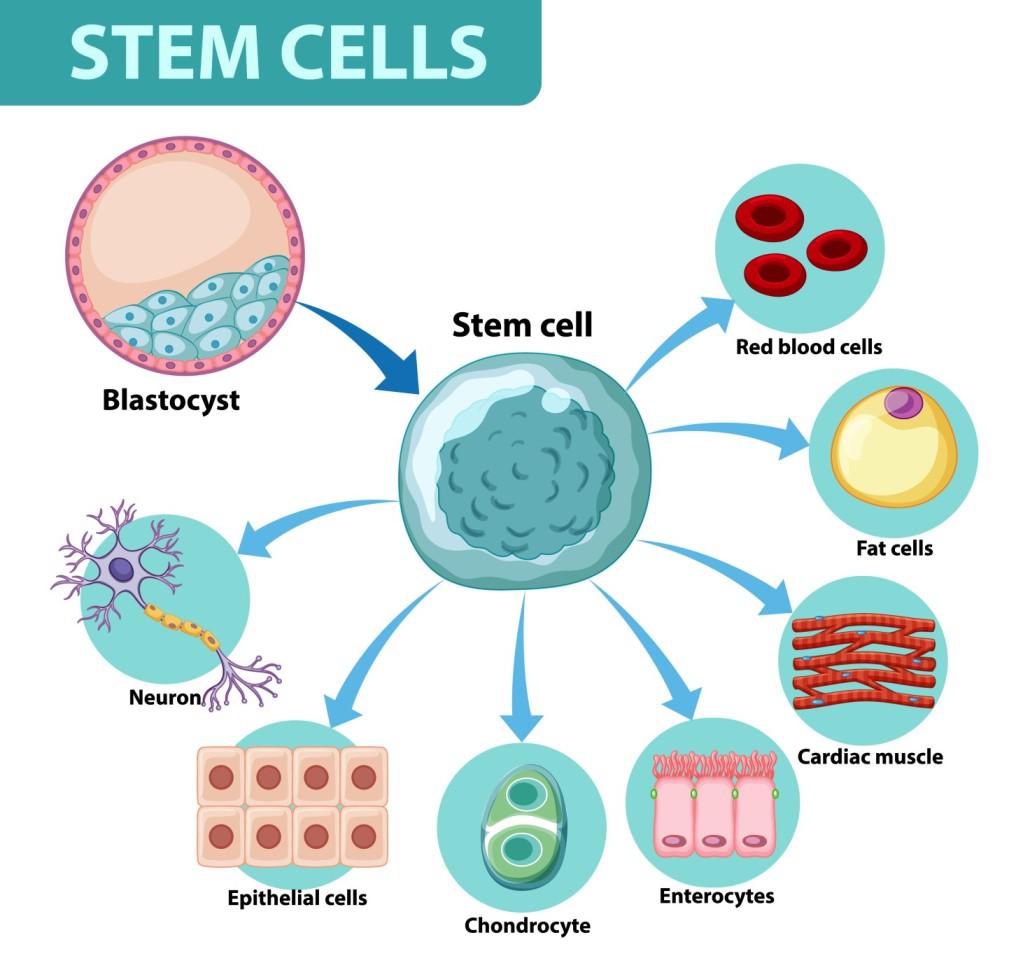
https://cryobank.ua/wp-content/uploads/2019/05/stem_cells.png
 https://i.pinimg.com/originals/a3/96/79/a396795ef940cbbd88b272028fbac515.jpghttps://i0.wp.com/cdn-prod.medicalnewstoday.com/content/images/articles/323/323343/stem-cells.jpg?w=1155&h=1541

Evaluation
For your PowerPoint presentations on stem cells, I will evaluate you based on both the content of your slides and your presentation skills. This means that you will be assessed not only on your understanding of the material but also on how effectively you communicate that information to your audience. This will be graded over 100 points:
| content | creativity &design | organization | presentation skills |
| 40 points | 30 points | 20 points | 10 points |
Make sure to keep these criteria in mind as you prepare your presentations, as they will guide how I evaluate your work. Good luck, and I look forward to seeing your creativity and knowledge shine through!
IMPORTANT: For your PowerPoint presentation on stem cells, you have the option to work in groups of up to three students. However, it's essential that the work is divided equally among all group members to ensure a fair contribution from everyone. Please note that the grade will be given equally to all group members.
Conclusion
Congratulations on completing your exploration of stem cells through this WebQuest! Reflecting on your experience, you have gained new insights into the different types of stem cells and their significant roles in medicine. If you had more time, you could delve deeper into the latest research and advancements to enhance your understanding even further. Many of you may find the topic so fascinating that you'll want to revisit it, as stem cells hold immense potential for the future of healthcare and scientific discovery.
I learned valuable lessons from assigning a WebQuest, including effective engagement strategies that enhanced student motivation and collaboration. By observing how my students worked together, I gained insights into their teamwork and communication skills. Additionally, WebQuests revealed their research abilities and critical thinking, highlighting areas where they needed more support. This experience also allowed me to recognize diverse learning styles and evaluate how well the curriculum connected to real-world applications, ultimately guiding my future lesson planning and improving overall educational outcomes.
Credits
National Institutes of Health. (n.d.). Stem cell basics. Retrieved from https://stemcells.nih.gov/info/basics
Trounson, A., & Thorne, H. (2017). The application of stem cell technology in regenerative medicine. Nature Reviews Molecular Cell Biology, 18(1), 43-62. https://doi.org/10.1038/nrm.2016.116
Schucht, R., & Boucher, J. (2020). Types of stem cells: A comprehensive review. Stem Cells Translational Medicine, 9(5), 598-612. https://doi.org/10.1002/sctm.19-0396
Bianco, P., & Robey, P. G. (2015). Stem cells in the real world: A cellular perspective. Nature Reviews Molecular Cell Biology, 16(9), 593-596. https://doi.org/10.1038/nrm.2015.16
Karp, J. M., & Leng Teo, G. S. (2009). Mesenchymal stem cell therapy: A new paradigm for regenerative medicine. Nature Reviews Medicine, 6(11), 751-763. https://doi.org/10.1038/nrm.2009.10
Thomas, E. D., & Storb, R. (2008). Bone marrow transplantation. New England Journal of Medicine, 359(13), 1418-1427. https://doi.org/10.1056/NEJMra070117
Gage, F. H. (2000). Mammalian neural stem cells. Science, 287(5457), 1433-1438. https://doi.org/10.1126/science.287.5457.1433
Harris, J. (2017). The ethics of stem cell research: A critique. Bioethics, 31(4), 238-245. https://doi.org/10.1111/bioe.12329
Takahashi, K., & Yamanaka, S. (2006). Induction of pluripotent stem cells from mouse embryonic and adult fibroblast cultures by defined factors. Cell, 126(4), 663-676. https://doi.org/10.1016/j.cell.2006.07.024
Liu, H., & Zhao, R. C. (2019). Advances in induced pluripotent stem cells: Application in regenerative medicine. Stem Cells International, 2019, Article 5476083. https://doi.org/10.1155/2019/5476083
https://cryobank.ua/wp-content/uploads/2019/05/stem_cells.png
https://i.pinimg.com/originals/a3/96/79/a396795ef940cbbd88b272028fbac515.jpg
https://youtu.be/2JOKH1EveLM?si=zchuhpkTmRFiTc-d
Teacher Page
As a biologist, I chose stem cells as a topic because they represent one of the most exciting and transformative areas of modern science. By focusing on this topic for a targeted audience of high school students in grades 10-12, I hope to inspire curiosity about the possibilities of regenerative medicine and encourage future generations to engage in scientific inquiry and innovation.
The objective of a WebQuest is to engage students in inquiry-based learning by guiding them to explore a specific topic through research, collaboration, and creativity.
Here are some helpful tips:
1) Plan Your Content: Outline the main points you want to cover before starting the slides. Organizing your thoughts will help ensure a logical flow.
2) Keep Text Minimal: Aim for concise bullet points instead of lengthy paragraphs. This makes your slides easier to read and allows you to elaborate verbally during the presentation.
3) Engage Your Audience: Think of ways to involve your audience, such as asking questions or encouraging discussion. Interaction can enhance their understanding and interest.
4) Practice Delivery: Rehearse your presentation multiple times. This will help you become familiar with the content and improve your confidence while presenting.