
Introduction
Social media has completely transformed how individuals exchange ideas, communicate, and receive news. Platforms like Facebook, Twitter, Instagram, and TikTok have become powerful tools that shape public opinion on a global scale. But how exactly does social media influence people's views? Does it bring us closer together or drive us further apart? In this WebQuest, you will explore how social media affects public opinion and conversations, its role in spreading both information and misinformation, and its overall impact on political, social, and cultural landscapes.

Task
As part of a group project, you will investigate and evaluate how social media influences public opinion. You will:
- Research how social media shapes people's thoughts, beliefs, and actions.
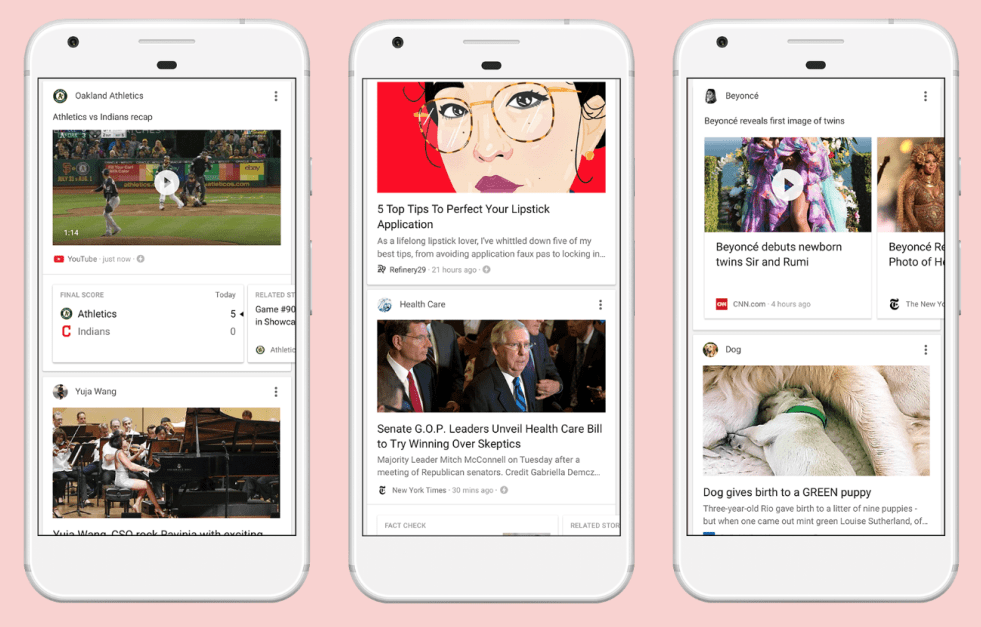
- Examine the different ways social media platforms distribute information.
- Analyze the spread of misinformation and its impact on public perception.
- Create a presentation (slide deck, video, or infographic) that showcases your findings, using real-life examples to support your analysis.

Process
Here’s a step-by-step guide to complete the campaign, including helpful links for each task:
Step 1: Research
Begin by reading articles and watching videos that discuss how social media affects public opinion. Focus on topics such as:
-
Articles:
- The role of social media in shaping public opinion - Pew Research Center: https://www.pewresearch.org/global/2022/12/06/social-media-seen-as-mostly-good-for-democracy-across-many-nations-but-u-s-is-a-major-outlier/
- How Social Media Shapes Public Opinion-BBC News : https://www.bbc.com/news/articles/cp8e4p4z97eo
- The role of algorithms in news feeds - The New York Times : Opinion | Social Media Algorithms Control Us. It’s Time To Push Back. - The New York Times (nytimes.com)
-
YouTube Videos:
- Fake news vs real news :
https://youtu.be/wPE6CkAW9QY?si=3-zXI4W1kLzV7ArZ - How Misinformation Spreads :
-
https://youtu.be/cSKGa_7XJkg?si=ANx6e9e-xTgaVbSi - The Role of Social Media in Politics :
https://youtu.be/9Kd99IIWJUw?si=6oeoN9_tMd-fHjOa
- Fake news vs real news :
Step 2 : Analyze Platforms
Choose two social media platforms (e.g., Twitter and Instagram) and compare how they influence public opinion differently. You may want to consider:
-
How they use algorithms to show content to users.
-
The impact of influencers and trends on public opinion.
-
Audience demographics and how they affect engagement on social media platforms.
-
Useful Links for Comparison:
-
-
Twitter:
-
Instagram:
-
Facebook:
-
TikTok:
-
YouTube:
-
Snapchat:
-
-
Step 3: Misinformation
Research how false information spreads on social media. Look into case studies, such as COVID-19 misinformation or false claims in political campaigns.
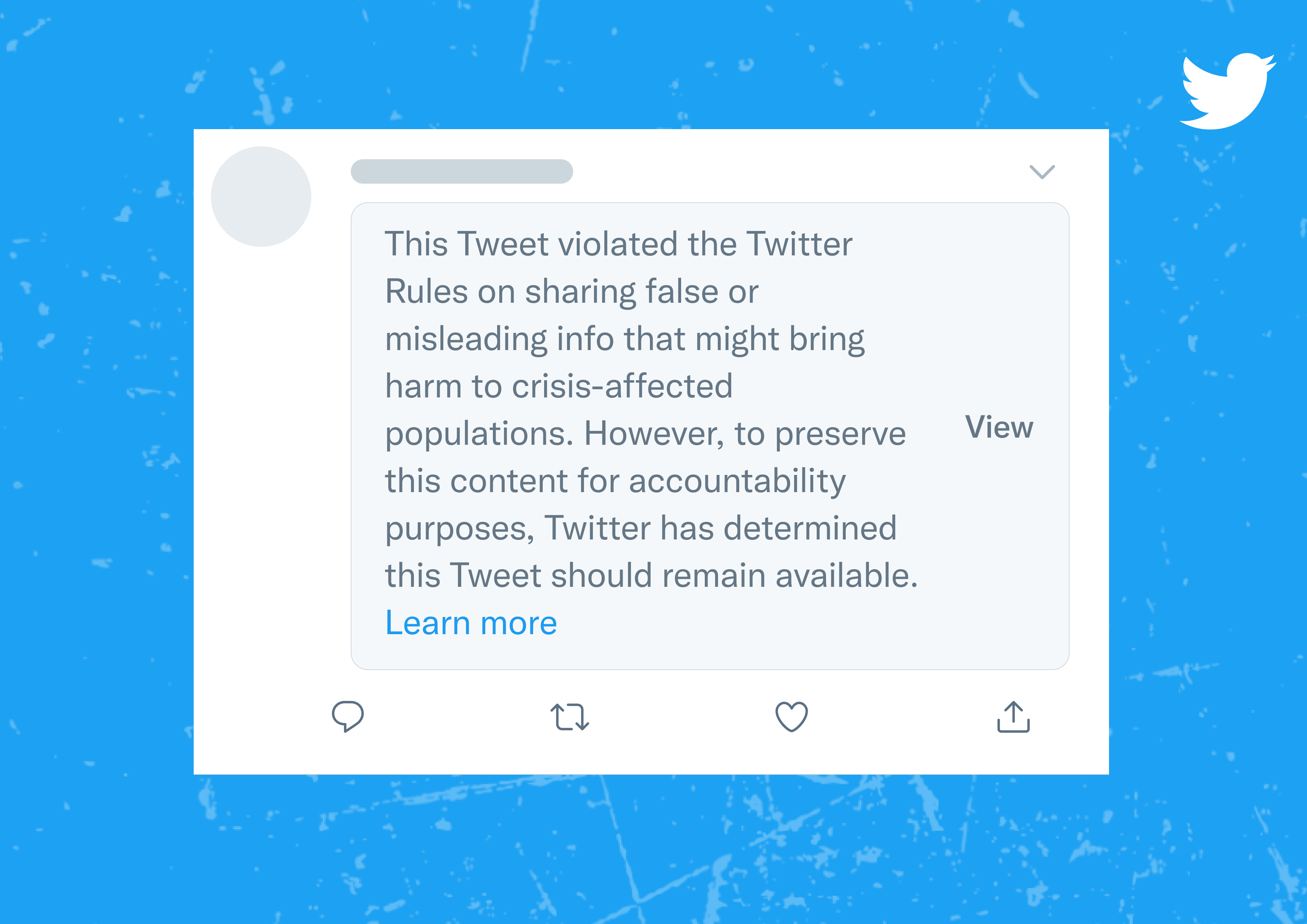
Analyse how this affects people's views and decision-making.
- Articles & Resources:
- Misinformation on Social Media During COVID-19 - BBC News : https://www.bbc.com/news/world-53755067
- Fake News and Social Media : https://link.springer.com/article/10.1007/s10796-022-10242-z
- How Misinformation Affects Democracy - TEDxTalks :
https://youtu.be/J2jqtfczPzc?si=WsB6PQnggZXq5TpP
Step 4: Group Discussion and Brainstorming
Get into small groups and discuss your findings. Consider the following discussion points:
- How does social media shape public perception positively and negatively?
- Can it foster a more informed society, or does it lead to division and confusion? Write down key points from your discussion.
Step 5: Create a Presentation
Using your research and group discussions, create a presentation. Ensure you use visuals (charts, memes, real social media posts) and back up your findings with examples. You can choose one of the following formats:
-
Slide Deck: PowerPoint or Google Slides presentation.
-
Video: A short video documenting your analysis.
-
Infographic: A visual representation of how social media shapes public opinion.
-
Presentation Tools:
- Google Slides : Google Slides: Presentation Slideshow Maker | Google Workspace
- https://www.canva.com/en_gb/?msockid=3926196162006f8204f40b6d63096ee6 for creating infographics
- Video Maker | Make Videos and Animations Online | Powtoon or https://animoto.com/ for video presentations
Step 6: Present and Reflect
Present your work to the class. After the presentations, engage in a reflective discussion about the role of social media in shaping public opinion. Consider questions such as:
- How did social media influence your views during major events (e.g., elections, protests)?
- What can we do to ensure we are not misled by misinformation?
Evaluation
The following standards will be used to determine our project's grade:
| Criteria | Excellent (4) | Good (3) | Fair (2) |
Needs Improvement (1) |
|---|---|---|---|---|
| Research Quality | Thorough research and use of diverse sources | Good research but lacks variety in sources | Basic research with limited depth | Minimal research with few reliable sources |
| Content Understanding | Deep understanding and insightful analysis of the topic | Solid understanding with some analysis | Basic understanding with limited analysis | Lacks understanding or analysis |
| Presentation Quality | Engaging, well-organized, and visually appealing | Well-organized but could be more engaging | Basic presentation with minimal visuals | Unclear or disorganized presentation |
| Collaboration | Excellent group collaboration and equal contribution | Good collaboration but some imbalance in contribution | Some participation, but uneven group effort | Little to no group collaboration |
| Reflection | Thoughtful reflection and participation in discussion | Good reflection, some participation | Limited reflection or participation | No reflection or participation |
Conclusion
Social media now plays a crucial role in affecting public opinion in both positive and negative ways in today's society. You have looked into the various dimensions of social media's power through this WebQuest, including its capacity to enlighten, influence,and divide. With the knowledge you have acquired, you should be able to assess media sources critically and comprehend how social media shapes our perceptions of the world.


Credits
References
-
Articles:
Pew Research Center. (2022, December 6). Social media seen as mostly good for democracy across many nations, but U.S. is a major outlier. Pew Research Center. https://www.pewresearch.org/global/2022/12/06/social-media-seen-as-mostly-good-for-democracy-across-many-nations-but-u-s-is-a-major-outlier/
BBC News. (2023, August 8). How social media shapes public opinion. BBC. https://www.bbc.com/news/articles/cp8e4p4z97eo
The New York Times. (2023, July 25). Opinion | Social media algorithms control us. It’s time to push back. The New York Times. https://www.nytimes.com/2023/07/25/opinion/social-media-algorithms-control.html
Hootsuite. (2023, June 14). How Twitter’s algorithm works in 2023. Hootsuite. https://blog.hootsuite.com/twitter-algorithm/
Hootsuite. (2023, February 21). How Instagram’s algorithm works in 2023. Hootsuite. https://blog.hootsuite.com/instagram-algorithm/
Hootsuite. (2023, March 14). How Facebook’s algorithm works in 2023. Hootsuite. https://blog.hootsuite.com/facebook-algorithm/
Hootsuite. (2023, August 1). How the TikTok algorithm works in 2023. Hootsuite. https://blog.hootsuite.com/tiktok-algorithm/
The Verge. (2021, August 3). TikTok trends explained: The rise of sounds and hashtags. The Verge. https://www.theverge.com/22585656/tiktok-trends-sounds-hashtags-how-to-videos
Hootsuite. (2023, April 25). How the YouTube algorithm works in 2023. Hootsuite. https://blog.hootsuite.com/how-the-youtube-algorithm-works/
Snap Inc. (2023). Snapchat newsroom. Snap Inc. https://newsroom.snap.com/
BBC News. (2020, August 12). Social media's role in spreading COVID-19 misinformation. BBC. https://www.bbc.com/news/world-53755067
SpringerLink. (2022, July 18). The role of social media in shaping public opinion. Springer. https://link.springer.com/article/10.1007/s10796-022-10242-z
-
Videos:
Dodge, B. (2020, October 9). Bernie Dodge, Creator of WebQuest [Video]. YouTube. https://youtu.be/v7UynehA_l0?si=66Qq5RtdhDjhzkbf
TEDx. (2020, June 15). How fake news spreads [Video]. YouTube. https://youtu.be/wPE6CkAW9QY?si=3-zXI4W1kLzV7ArZ
TED-Ed. (2018, April 4). How social media is reshaping our reality [Video]. YouTube. https://youtu.be/cSKGa_7XJkg?si=ANx6e9e-xTgaVbSi
CNBC. (2020, February 22). The role of social media in politics [Video]. YouTube. https://youtu.be/9Kd99IIWJUw?si=6oeoN9_tMd-fHjOa
The Economist. (2020, March 4). How social media shapes public opinion [Video]. YouTube. https://youtu.be/J2jqtfczPzc?si=WsB6PQnggZXq5TpP
-
Presentation Tools:
Google. (n.d.). Google Slides [Presentation software]. https://www.google.com/slides/about/
Canva. (n.d.). Canva [Design tool]. https://www.canva.com/en_gb/?msockid=3926196162006f8204f40b6d63096ee6
Powtoon. (n.d.). Video maker | Make videos and animations online. https://www.powtoon.com/
Animoto. (n.d.). Video creation tool. https://animoto.com/
-
Images:
Moxee Marketing. (2022). Logos for a wide range of social media platforms [Image]. Moxee Marketing. https://www.moxeemarketing.com/wp-content/uploads/2022/12/Logos-for-a-wide-range-of-social-media-platforms.jpg
Geek Republics. (2020). Negative effects of social media [Image]. Geek Republics. https://geekrepublics.com/wp-content/uploads/2020/12/negative-effects-of-social-media.jpg

Bing. (n.d.). Newsfeed image showing the flow of information [Image]. Microsoft Bing. https://th.bing.com/th/id/OIP.Y06Ye1tGdggnQGxuUPNFNAAAAA?rs=1&pid=ImgDetMain
Unsplash. (n.d.). Diagram showing information flow [Image]. Unsplash. https://plus.unsplash.com/premium_photo-1708939061963-059d096aa7d0?w=600&auto=format&fit=crop&q=60&ixlib=rb-4.0.3&ixid=M3wxMjA3fDB8MHxzZWFyY2h8NXx8YSUyMGRpYWdyYW0lMjBzaG93aW5nJTIwdGhlJTIwZmxvdyUyMG9mJTIwaW5mb3JtYXRpb24lMjBvciUyMGElMjBuZXdzZmVlZCUyMGltYWdlKS58ZW58MHx8MHx8fDA%3D
Unsplash. (n.d.). Social media influence [Image]. Unsplash. https://plus.unsplash.com/premium_photo-1708413393104-d29b150e42ac?q=80&w=1932&auto=format&fit=crop&ixlib=rb-4.0.3&ixid=M3wxMjA3fDB8MHxwaG90by1wYWdlfHx8fGVufDB8fHx8fA%3D%3D
Smart Insights. (2017). Google app feed [Image]. Smart Insights. https://www.smartinsights.com/wp-content/uploads/2017/07/Google-app-the-feed.png
Unsplash. (n.d.). Flow of information on social media [Image]. Unsplash. https://plus.unsplash.com/premium_photo-1707774568376-b146c6bf79f0?q=80&w=1770&auto=format&fit=crop&ixlib=rb-4.0.3&ixid=M3wxMjA3fDB8MHxwaG90by1wYWdlfHx8fGVufDB8fHx8fA%3D%3D
Bing. (n.d.). Social media influence visual [Image]. Microsoft Bing. https://th.bing.com/th/id/OIP.X0PDLlrjxBiJVd9kELHJCAHaFO?rs=1&pid=ImgDetMain
Teacher Page
About the Teacher:
Hello, my name is Joudy Darwiche, and I’m excited to guide students through this WebQuest on the role of social media in shaping public opinion. I am passionate about Media and Communication and believe in the importance of teaching students critical thinking skills, especially in today’s digital age.
I have a keen interest in understanding how social media influences our everyday lives and the decisions we make. This WebQuest is designed to engage students in exploring the impact of social media on public opinion, helping them become more informed and responsible digital citizens.
I’m always eager to foster creativity and curiosity in the classroom, and I hope this WebQuest sparks meaningful discussions about the media we consume and how it shapes our worldview. Let’s work together to empower students to navigate the digital landscape thoughtfully and confidently!
Objective:
The goal of this WebQuest is to help students understand the influence of social media on public opinion, while developing research, collaboration, and critical thinking skills. It also helps students learn to identify and analyze the spread of misinformation.
Instructions for Teachers:
- Duration: Allow 2-3 class sessions for research and creation of the presentation.
- Group Size: 3-4 students per group.
- Materials Needed: Internet access, access to a presentation tool (Google Slides, PowerPoint, or video creation tools).
- Assessment: Use the provided rubric to assess students on research, presentation, collaboration, and reflection.
Learning Outcomes:
- Students will critically analyze the role of social media in shaping public opinion.
- Students will work collaboratively to create a structured presentation.
- Students will develop their ability to communicate findings effectively.