
Introduction
In the intricate tapestry of human history, the battle against viruses has been a relentless struggle, shaping lives and communities in profound ways. From the devastating outbreaks of smallpox to the recent global challenge of COVID-19, viruses are invisible foes that can disrupt the fabric of society and threaten our very existence. Yet, in this fight, we are not defenseless. Vaccines stand as our shields, a testament to human ingenuity and the power of science.

Embarking on this journey through the fascinating world of viruses and vaccines, you will uncover the complex biology that governs these microscopic invaders and discover the remarkable history of vaccines that have saved millions of lives. You will learn not only the science behind how vaccines work but also their vital role in safeguarding our health and the health of our communities.
As you dive into this exploration, think of the countless individuals—mothers, fathers, children, and friends—whose lives have been transformed by vaccines. Your mission is to become a voice for this cause, crafting compelling presentations, raising awareness, and engaging with your community. By the end, you will not only be equipped with knowledge but also empowered to inspire others to recognize the importance of vaccines in our collective fight against viral diseases. Together, let’s shine a light on this crucial issue and champion the cause of health for all.
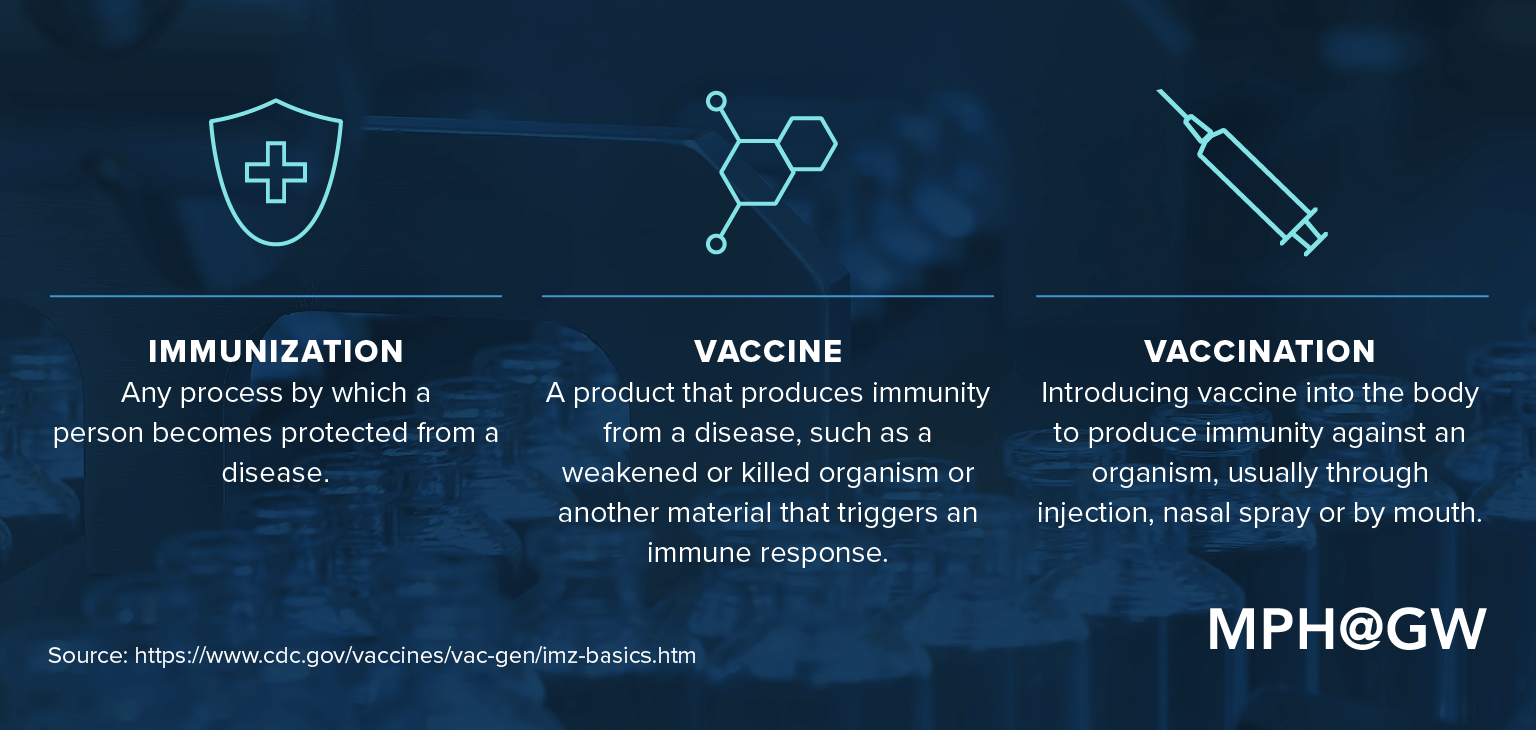
Task
By the end of this WebQuest, you will complete three tasks:
1. PowerPoint Presentation:
Create a detailed presentation covering the biology of viruses, their replication process, the history of vaccines, and their role in public health. Include a case study of a specific virus and the vaccine used to prevent it.
2. Awareness Campaign:
Design and execute a campaign aimed at raising awareness about vaccines. You may choose to create a social media campaign, poster series, short educational video, or visit local elementary or high schools to deliver your message in person. Your goal is to inform and engage your audience on the importance of vaccination.
3. Vox Pop Interview:
Conduct a Vox Pop, where you will interview people on the street, on campus, or in your neighborhood with a set of 3-5 questions about vaccines. Record these interviews and compile them into a video, which will be included at the end of your PowerPoint. The video should be 3-6 minutes long.
Note that you will be working in groups of five and the work should be divided equally among group members.
Process
Follow these detailed steps to complete all three tasks:
I. PowerPoint Presentation
1. What are viruses?
Viruses are unique infectious agents that are neither classified as living nor non-living. They consist of genetic material (either DNA or RNA) surrounded by a protein coat called a capsid. Some viruses also have an outer lipid envelope. Unlike living organisms, viruses cannot replicate on their own and need to infect a host cell to reproduce. In this section, you will explain the basic structure of viruses and how they differ from bacteria and other microorganisms.
Key Points to Cover:
- Basic definition of viruses.
- Structure: Genetic material, capsid, and sometimes an envelope.
- Differences between viruses and living organisms (e.g., no metabolism, cannot reproduce independently).
Sources:
- https://www.ncbi.nlm.nih.gov/pmc/articles/PMC7123905/
- https://books.google.com/books?hl=en&lr=&id=-RxoEAAAQBAJ&oi=fnd&pg=PP1&dq=What+are+viruses%3F+definition+&ots=B7OzeitwX_&sig=pphJZkizQWs3gtc9pHBy4LCN1q0
What Are Viruses?
2. How do viruses infect cells?
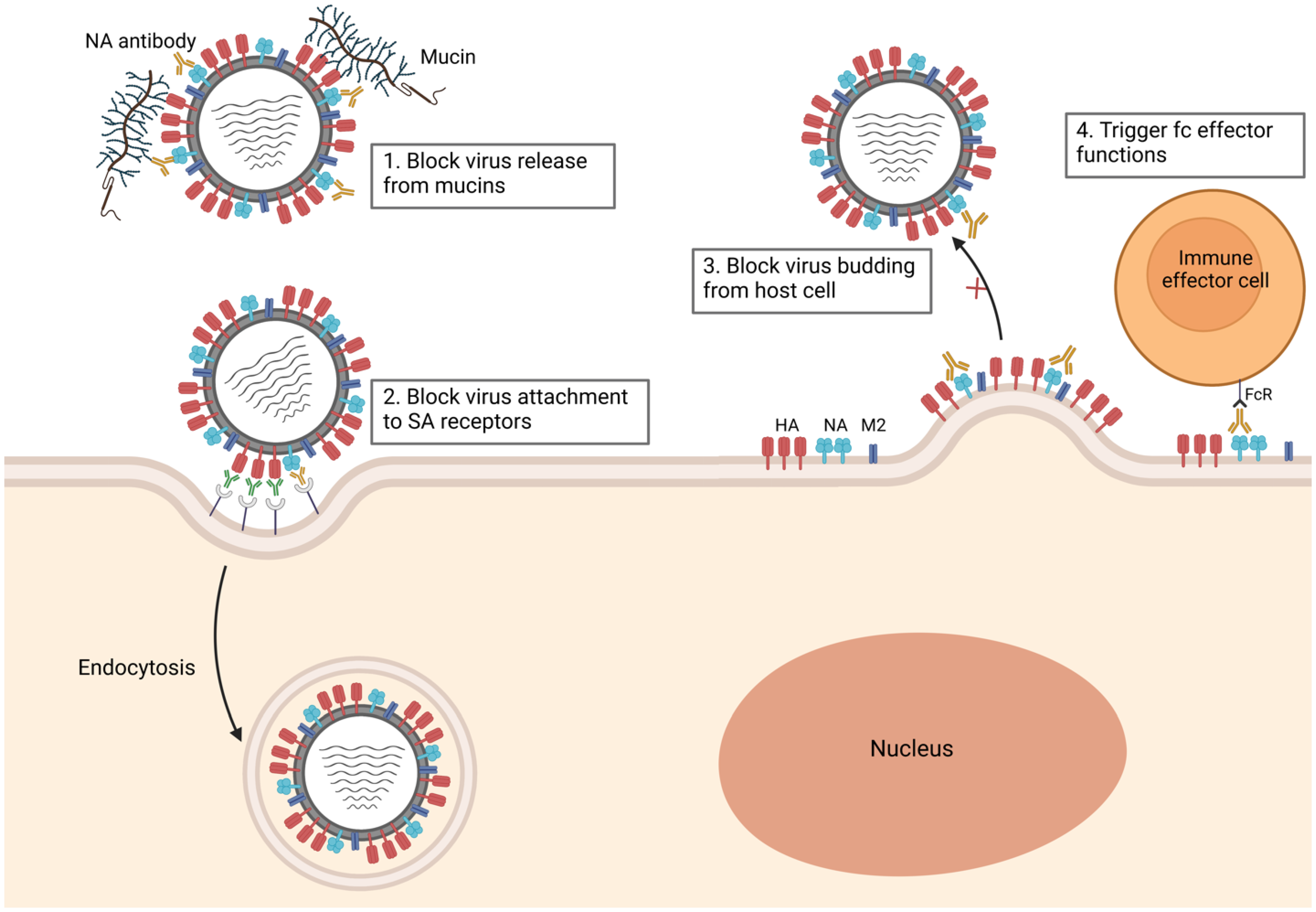
This section focuses on the process by which viruses invade a host organism and hijack its cellular machinery to replicate. The steps of viral infection typically involve attachment, entry, replication, assembly, and release. You’ll explain the various mechanisms viruses use to enter cells (e.g., fusion with the cell membrane or endocytosis) and how they use the host cell's machinery to make copies of themselves.
Key Points to Cover:
- Steps of viral infection: Attachment, penetration, replication, assembly, and release.
- Methods of entry into host cells (e.g., direct fusion, endocytosis).
- How viruses take over the host cell's replication processes.
Sources:
- https://www.cell.com/biophysj/fulltext/S0006-3495(16)00149-1
- https://www.cell.com/cell/fulltext/S0092-8674(00)80460-2
- https://www.ncbi.nlm.nih.gov/pmc/articles/PMC7149408/
How Do Viruses Infect Our Cells?
3. The history of vaccines
Vaccines have been a cornerstone of public health since Edward Jenner’s development of the smallpox vaccine in the 18th century. This section explores the evolution of vaccines from early practices like variolation to the development of modern vaccines such as mRNA vaccines for COVID-19. This history illustrates the tremendous impact vaccines have had on eradicating or controlling diseases like smallpox, polio, and measles.
Key Points to Cover:
- Early vaccine history (e.g., variolation and Edward Jenner’s smallpox vaccine).
- Key milestones in vaccine development (e.g., polio, measles).
- The role of vaccination in eradicating smallpox and controlling other diseases.
- Modern developments, such as mRNA vaccines for COVID-19.
Sources:
- https://www.researchgate.net/profile/Michel-Lombard/publication/6205699_A_brief_history_of_vaccines_and_vaccination/links/54297ba40cf26120b7b7febe/A-brief-history-of-vaccines-and-vaccination.pdf
- https://www.tandfonline.com/doi/abs/10.1080/21645515.2021.1977057
A Variety of Vaccines: A History of Vaccine Development
4. How vaccines work
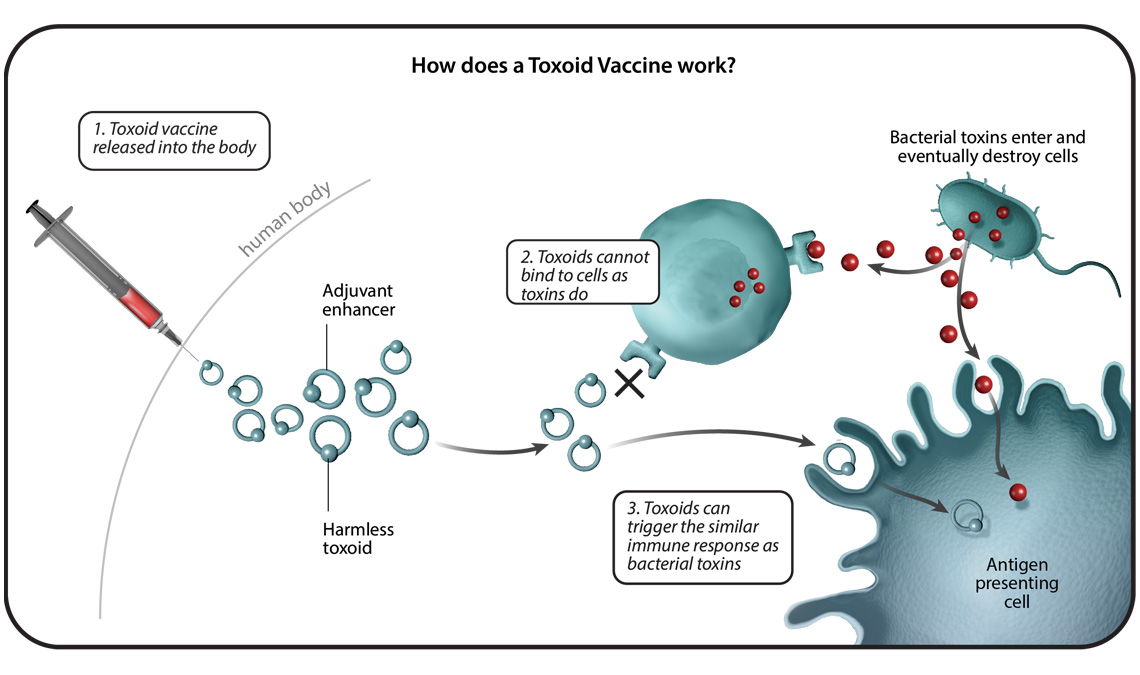
Vaccines work by stimulating the immune system to recognize and fight pathogens without causing the disease itself. This section will explain the immune response triggered by vaccines, including the role of antigens, antibodies, and memory cells. It will also cover how vaccines prepare the immune system to respond more effectively when exposed to the real pathogen.
Key Points to Cover:
- Introduction to the immune system and how it responds to pathogens.
- How vaccines introduce a harmless form of a virus or bacteria (antigens) to the body.
- How the immune system creates memory cells and antibodies.
- Why this immune response leads to faster and more effective protection in the future.
Sources:
- https://www.cell.com/cell/fulltext/S0092-8674(20)31237-X
- https://www.tandfonline.com/doi/abs/10.1080/07853890.2017.1407035
How Vaccines Work?
5. The importance of vaccines in public health
Vaccines have saved millions of lives and are one of the most effective tools in controlling infectious diseases. This section will emphasize the role of vaccines in reducing disease transmission, preventing outbreaks, and protecting those who cannot be vaccinated (herd immunity). You will also discuss the public health impact of vaccination campaigns, such as the near-eradication of polio and the role of vaccines during the COVID-19 pandemic.
Key Points to Cover:
- Role of vaccines in preventing disease outbreaks and epidemics.
- The concept of herd immunity and its importance for vulnerable populations.
- Examples of how vaccines have drastically reduced diseases (e.g., polio, smallpox, measles).
- The impact of vaccines during recent health crises, like the COVID-19 pandemic.
Sources:
- https://www.sciencedirect.com/science/article/pii/S1877282X11000269
- https://www.frontiersin.org/articles/10.3389/fmicb.2020.01526/full
Importance of Vaccines
6. Vaccine development and safety
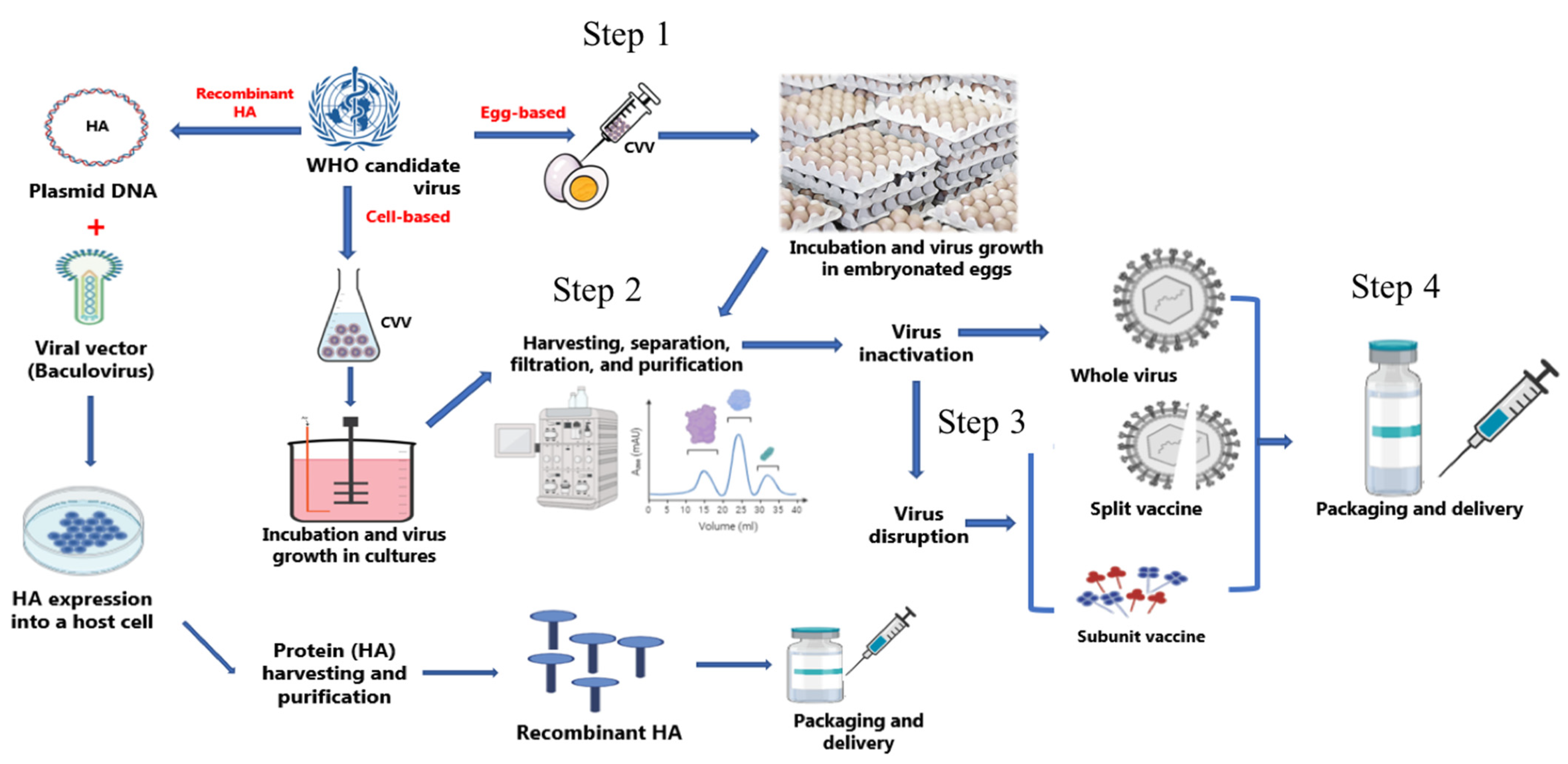
Vaccine development is a rigorous process involving multiple stages, including research, preclinical testing, clinical trials, and approval by regulatory agencies. This section will explain how vaccines are developed, the stages of clinical trials, and how safety is ensured through continuous monitoring even after a vaccine is approved.
Key Points to Cover:
- Overview of the vaccine development process (research, preclinical trials, clinical trials).
- The phases of clinical trials (Phase 1-3).
- Role of regulatory agencies (e.g., FDA, WHO) in vaccine approval.
- Ongoing monitoring for side effects and effectiveness after a vaccine is distributed.
Sources:
- https://www.cell.com/cell/fulltext/S0092-8674(21)00219-1?elqTrackId=87ac912ef1444b11bbd6dd528bf50248
- https://synapse.koreamed.org/articles/1059447
New: Vaccine Development: What's the process, really?
II. Awareness Campaign
-
Select Your Format
Decide on the format for your awareness campaign (e.g., social media, poster series, educational video, or in-person presentation). -
Research and Plan
Gather information on the chosen topic and develop key messages that convey the importance of vaccines. Use the content from your PowerPoint as a reference. -
Create Your Materials
- For Social Media: Design engaging posts with visuals and concise messages. Aim for three posts focusing on different aspects of vaccination. (You can create three posts for platforms like Instagram, with infographics or short videos)
- For Posters: Create a series of visually appealing posters that highlight key facts about vaccines and address common myths.
- For Educational Video: Write a script, gather visuals, and record the video. Keep it concise (2-3 minutes) and informative.
- For In-person Campaign: Prepare a presentation that includes visuals, handouts, and engaging activities for the audience. For students choosing the in-person campaign, organize a visit to an elementary or high school and present your message. Interact with students or teachers, answer questions, and distribute any prepared materials.
-
Practice
Rehearse your presentation or video to ensure clarity and confidence in delivery. For social media and posters, review the content for accuracy and impact. -
Engage Your Audience
Plan interactive elements for in-person presentations, such as quizzes or discussions, to engage the audience actively. -
Collect Feedback
After presenting, gather feedback from your audience to evaluate the effectiveness of your campaign.
Potential Topics for Awareness Campaign
Students can target the same topics as their PowerPoint presentations or choose additional ones, such as:
- The role of vaccines in preventing outbreaks (e.g., measles, polio)
- Myths vs. Facts about vaccines
- Personal stories about vaccine experiences (could be included in the Vox Pop)
- The importance of herd immunity
- The future of vaccines and mRNA technology
III. Vox Pop Interview
-
Prepare Your Questions
Prepare a set of 3-5 questions to ask people in your community about vaccines. Choose questions that will spark insightful answers about their knowledge, beliefs, or concerns regarding vaccines. -
Sample Questions (choose 1 question only):
- What do you know about how vaccines work?
- Have you ever had any doubts about getting vaccinated? Why or why not?
- What are your thoughts on vaccines for COVID-19 or other recent outbreaks?
- Do you think schools should require students to be vaccinated? Why or why not?
- How do you feel about the information shared on social media regarding vaccines?
- Additional Question Pool (choose 2-4 questions):
- Have you or anyone you know experienced vaccine side effects? If so, what happened?
- Why do you think some people are hesitant about getting vaccinated?
- How would you convince someone who is hesitant to get vaccinated?
- How have vaccines changed the course of pandemics like COVID-19?
- Do you believe vaccines should be mandatory? Why or why not?
- What myths about vaccines have you heard?
- Have you or your family received the flu vaccine? Why or why not?
- How did you feel about the rapid development of COVID-19 vaccines?
- Should children be required to get vaccines before attending school?
- What role do you think the media plays in shaping public opinions about vaccines?
- Do you think there is enough public information about vaccines?
- How do you feel about global efforts to vaccinate the population against diseases like polio or measles?
- How important is it for governments to fund vaccine research?
-
Conduct the Interviews
Record interviews with people in your community, on campus, or in your neighborhood. Aim for a diverse set of answers. Compile the recorded interviews into a 3-6 minute video and include this video as the final slide in your PowerPoint presentation.
Evaluation
This assignment is worth 100 points. It is divided as follows:
1. PowerPoint (40 points)
| Task | Points | Description |
| Title Slide | 2 | Engaging title, student name, and date are presented clearly. |
| Organization of Content | 5 | Information is organized logically; slides flow seamlessly from one topic to the next. |
| Clarity of Presentation | 5 | Key points are clearly articulated; audience can easily follow the main ideas. |
| Preparedness and Readiness | 5 | Student demonstrates thorough preparation; confident in delivering content without reliance on notes. |
| Depth of Knowledge | 5 | Shows comprehensive understanding of the topic; answers questions accurately and confidently. |
| Visual Design and Aesthetics | 5 | Slides are visually appealing, with appropriate use of images, graphics, and text. |
| Use of Engaging Presentation Styles | 5 | Employs effective delivery techniques (eye contact, voice modulation, body language) to engage the audience. |
| Use of Examples and Case Studies | 4 | Incorporates relevant examples or case studies to enhance understanding of complex topics. |
| Conclusion Effectiveness | 2 | Summarizes key points effectively, leaving a lasting impression on the audience. |
| References and Citations | 2 | All sources are cited correctly in APA format; a reference slide is included. |
| Total Points | 40 |
2. Awareness Campaign (40 points)
| Task | Points | Description |
| Clarity of Campaign Objectives | 3 | Clearly states the objectives and target audience for the campaign. |
| Research and Content Depth | 4 | Demonstrates thorough research; includes accurate and relevant information to support key messages. |
| Creativity and Originality | 5 | Campaign materials show original thought and creativity, engaging the target audience effectively. |
| Organization of Campaign Material | 4 | Campaign is well-organized; materials are easy to navigate and understand. |
| Use of Visuals and Graphics | 4 | Visual elements (posters, infographics, videos) are high-quality and enhance the campaign message. |
| Interaction and Engagement Strategies | 4 | Incorporates effective methods for engaging the audience (e.g., questions, discussions) during presentations. |
| Call to Action | 4 | Includes a clear call to action for the target audience to get vaccinated or learn more. |
| Execution and Presentation Quality | 6 | Campaign is presented confidently and professionally; student is knowledgeable about the content. |
| Feedback Mechanism | 4 | Implements a structured approach for collecting audience feedback; reflects on feedback received. |
| Reflect on Campaign Effectiveness | 2 | Thoughtful reflection on what was successful and areas for improvement in the campaign. |
| Total Points | 40 |
3. Vox Pop (20 points)
| Task | Points | Description |
| Diversity and Inclusion of Interviewees | 2 | Engages a diverse range of interviewees to capture a variety of perspectives. |
| Recording Quality and Clarity | 2 | Ensures high-quality audio and video recordings; content is clear and understandable. |
| Video Editing and Compilation | 3 | Edits interviews into a cohesive, engaging 3-6 minute video; transitions are smooth. |
| Analysis and Insight from Responses | 4 | Provides thoughtful analysis of interview responses, identifying key themes and insights. |
| Integration of Vox Pox into Presentation | 4 | Effectively incorporates the Vox Pop video into the presentation, enhancing the overall message. |
| Confidence and Seriousness | 5 | Demonstrates confidence and seriousness throughout the presentation and campaign, engaging the audience effectively. |
| Total | 20 |
Conclusion
As we draw this journey to a close, it becomes evident that our exploration of viruses and vaccines is not just an academic exercise but a deeply personal and collective mission. The knowledge we've gained about how viruses operate and the powerful role vaccines play in safeguarding our health is a testament to human resilience and ingenuity. Each vaccine is a story of hope—hope for a future free from the fear of infectious diseases, hope for our children to grow up in a world where they are protected from preventable illnesses.
We have uncovered the intricate dance between viral invaders and our immune defenses, learning how science has equipped us with the tools to fight back. Every fact learned, every case studied, and every interview conducted serves to remind us of the importance of community, awareness, and proactive health measures.
Now, armed with this knowledge, you are empowered to share these vital truths with others. Whether through captivating presentations, impactful awareness campaigns, or enlightening conversations in the community, your voice can be a beacon of understanding and a call to action. Together, let’s champion the cause of vaccination, dispel myths, and inspire those around us to recognize the profound impact of vaccines on public health.
Let us stand united in our commitment to promoting health and well-being for all, ensuring that we are not just passive observers but active participants in the narrative of global health. Your efforts can change perceptions, save lives, and build a healthier future for generations to come. Embrace this responsibility with passion and purpose, and let your newfound knowledge resonate far beyond the classroom.
Credits
References
Articles:
- Modrow, S., Falke, D., Truyen, U., & Schätzl, H. (2013). Viruses: definition, structure, classification. Molecular Virology, 17. https://www.ncbi.nlm.nih.gov/pmc/articles/PMC7123905/
- Payne, S. (2022). Viruses: from understanding to investigation. Elsevier. https://books.google.com/books?hl=en&lr=&id=-RxoEAAAQBAJ&oi=fnd&pg=PP1&dq=What+are+viruses%3F+definition+&ots=B7OzeitwX_&sig=pphJZkizQWs3gtc9pHBy4LCN1q0
- Cohen, F. S. (2016). How viruses invade cells. Biophysical journal, 110(5), 1028-1032. https://www.cell.com/biophysj/fulltext/S0006-3495(16)00149-1
- Dimitrov, D. S. (1997). How do viruses enter cells? The HIV coreceptors teach us a lesson of complexity. Cell, 91(6), 721-730. https://www.cell.com/cell/fulltext/S0092-8674(00)80460-2
- STRAUSS, J. H., & STRAUSS, E. G. (2008). Overview of viruses and virus infection. Viruses and Human Disease, 1. https://www.ncbi.nlm.nih.gov/pmc/articles/PMC7149408/
- Lombard, M., Pastoret, P. P., & Moulin, A. M. (2007). A brief history of vaccines and vaccination. Revue Scientifique et Technique-Office International des Epizooties, 26(1), 29-48. https://www.researchgate.net/profile/Michel-Lombard/publication/6205699_A_brief_history_of_vaccines_and_vaccination/links/54297ba40cf26120b7b7febe/A-brief-history-of-vaccines-and-vaccination.pdf
- Kayser, V., & Ramzan, I. (2021). Vaccines and vaccination: history and emerging issues. Human vaccines & immunotherapeutics, 17(12), 5255-5268. https://www.tandfonline.com/doi/abs/10.1080/21645515.2021.1977057
- Iwasaki, A., & Omer, S. B. (2020). Why and how vaccines work. Cell, 183(2), 290-295. https://www.cell.com/cell/fulltext/S0092-8674(20)31237-X
- Vetter, V., Denizer, G., Friedland, L. R., Krishnan, J., & Shapiro, M. (2018). Understanding modern-day vaccines: what you need to know. Annals of medicine, 50(2), 110-120. https://www.tandfonline.com/doi/abs/10.1080/07853890.2017.1407035
- Schuchat, A. (2011). Human vaccines and their importance to public health. Procedia in Vaccinology, 5, 120-126. https://www.sciencedirect.com/science/article/pii/S1877282X11000269
- Rodrigues, C. M., & Plotkin, S. A. (2020). Impact of vaccines; health, economic and social perspectives. Frontiers in microbiology, 11, 1526. https://www.frontiersin.org/articles/10.3389/fmicb.2020.01526/full
- Gebre, M. S., Brito, L. A., Tostanoski, L. H., Edwards, D. K., Carfi, A., & Barouch, D. H. (2021). Novel approaches for vaccine development. Cell, 184(6), 1589-1603. https://www.cell.com/cell/fulltext/S0092-8674(21)00219-1?elqTrackId=87ac912ef1444b11bbd6dd528bf50248
- Han, S. (2015). Clinical vaccine development. Clinical and experimental vaccine research, 4(1), 46-53. https://synapse.koreamed.org/articles/1059447
Videos:
- FuseSchool - Global Education. (2016, August 18). What are viruses [Video]. YouTube. https://youtu.be/co6iuDpaQTM?list=PLW0gavSzhMlR9_FECpbpPBfXUPWNVnmEb
- Caltech. (2020, May 16). How Do Viruses Infect Our Cells? [Video]. YouTube. https://youtu.be/67idUQCzmMs
- Carroll, A. (2021, March 6). A Variety of Vaccines: A History of Vaccine Development [Video]. YouTube. https://youtu.be/U0vU19w__bM
- Dhanasarnsombut, K. (2015, January 12). How do vaccines work? [Video]. YouTube. https://youtu.be/O5yyIyJ9uqQ
- Cymru, I. C. (2023, April 26). Importance of Vaccines | Public Heal Whales [Video]. YouTube. https://youtu.be/R0b2Gf7Q3xs
- NDSU Center for Immunization Research & Education. (2022, June 17). NEW: Vaccine Development: What’s the process, really? [Video]. YouTube. https://youtu.be/0NgEaYmgXc8
Images:
- WHO. (2021). The whole microbe approach [Digital Image]. WHO. https://www.who.int/images/default-source/vaccines-explained/vaccines-topics-four-images-working-02.jpg?Status=Master&sfvrsn=d4d31bb1_31
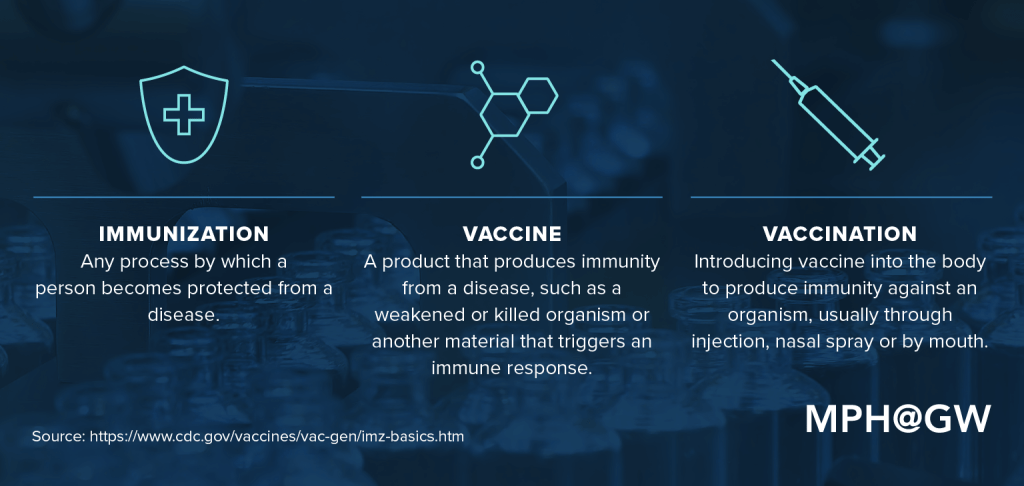
- MISPH. (2021). Immunization, Vaccine, Vaccination Awareness [Digital Image]. Milken Institute School of Public Health, The George Washington University. https://onlinepublichealth.gwu.edu/wp-content/uploads/sites/47/2021/06/immunization-vs-vaccination-vs-vaccine-.png?w=1024
- Sun, C. (2021). Mechanism of Neuraminidase [Digital Image]. MDPI. https://pub.mdpi-res.com/viruses/viruses-15-00200/article_deploy/html/images/viruses-15-00200-g001.png?1673923310
- Pfizer. (2021). Subunit vaccines used to induce an immune response [Digital Image]. Pfizer. https://cdn.pfizer.com/pfizercom/2022-03/5-Toxid-vaccines-02_1140X675_0.jpg?iZwdlcjzmDpa22wQWkN0KKgD55iClgCi
- Rina, N., Alharbi, A., Kayser, V. (2021). Influenza vaccine manufacturing processes [Digital Image]. MDPI. https://www.mdpi.com/vaccines/vaccines-09-01032/article_deploy/html/images/vaccines-09-01032-g005.png
WebQuest Website:
- Create webquest: Create a WebQuest: Simple. quick. free. Create WebQuest | Create a WebQuest: Simple. Quick. Free. (n.d.). https://www.createwebquest.com/