
Introduction
Besides being fun and entertaining social networks, Facebook and Twitter can help you sharpen your English skills.
Through this research of the social networks Facebook and Twitter, you will gain an appreciation of the educational possibilities that each one has. By the end of the research, you will make a presentation of your findings, in which you must point out the answers to the questions listed in the Process Description.

Task
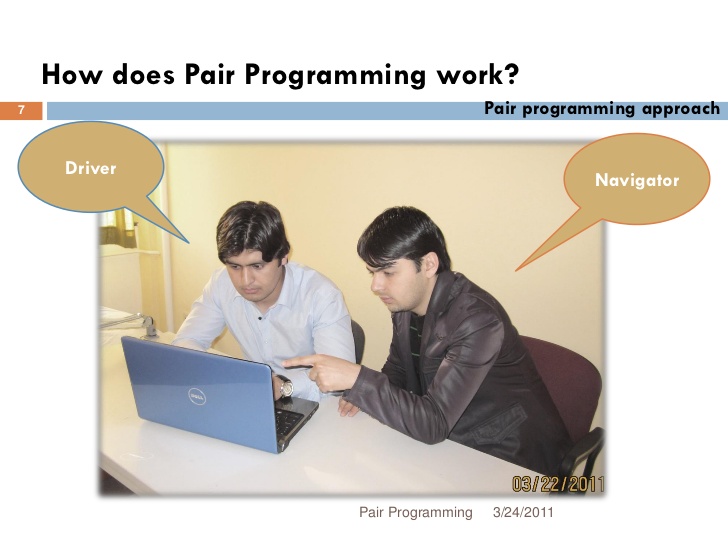
You will carry out a research on Facebook and Twitter. The research needs to focus on the educational uses of both social networks. The teacher will assign pairs to work on the project and each couple must answer all the questions listed in the Process Description. Make sure you answer the questions using the information from the links provided. (You will find the resources in the Process Description)
It is important to keep in mind that as a final activity each couple must give a presentation of their findings to the class.

Process
Let's get started!
Answer the following questions:
1. What are some differences between facebook and twitter?
2. Which social network is the most popular? Support your answer.
3. Using information from the research, list ways to use each social network for educational purposes.
4. Create an activity for each social network that your partners would enjoy doing.
5. Which social network would you prefer to use for educational purposes? Why? For what kind of activities?
6. What limitations does each social network have?
7. Prepare a demonstration of the educational uses of each social network.
Resources: See the Links Below
http://www.diffen.com/difference/Facebook_vs_Twitter
http://www.meltwater.com/blog/facebook-vs-twitter-social-media-strategy…
http://www.teachthought.com/technology/100-ways-to-use-facebook-in-educ…
http://www.teachhub.com/50-ways-use-twitter-classroom
Evaluation
The final evaluation will consist of an oral presentation in which the questions (found in the process description) have to be answered as well as a conclusion on the social media and the way they can help you in the English learning process.
The aspects to be evaluated in the presentation are listed below.
You may also find the evaluation rubrics in the link below:
http://rubistar.4teachers.org/index.php?screen=ShowRubric&rubric_id=255…
|
| CATEGORY | 4 | 3 | 2 | 1 |
| Preparedness | Student is completely prepared and has obviously rehearsed. | Student seems pretty prepared but might have needed a couple more rehearsals. | The student is somewhat prepared, but it is clear that rehearsal was lacking. | Student does not seem at all prepared to present. |
| Content | Shows a full understanding of the topic. | Shows a good understanding of the topic. | Shows a good understanding of parts of the topic. | Does not seem to understand the topic very well. |
| Comprehension | Student is able to accurately answer almost all questions posed by classmates about the topic. | Student is able to accurately answer most questions posed by classmates about the topic. | Student is able to accurately answer a few questions posed by classmates about the topic. | Student is unable to accurately answer questions posed by classmates about the topic. |
| Speaks Clearly | Speaks clearly and distinctly all (100-95%) the time, and mispronounces no words. | Speaks clearly and distinctly all (100-95%) the time, but mispronounces one word. | Speaks clearly and distinctly most ( 94-85%) of the time. Mispronounces no more than one word. | Often mumbles or can not be understood OR mispronounces more than one word. |
| Stays on Topic | Stays on topic all (100%) of the time. | Stays on topic most (99-90%) of the time. | Stays on topic some (89%-75%) of the time. | It was hard to tell what the topic was. |

Conclusion
 After carrying out this activity, I hope the next time you log in to Facebook or Twitter you keep in mind that they are not only social networks to entertain but also valuable tools you can use to improve your English.